China Top 10 Rotary Air Compressor Manufacturers?
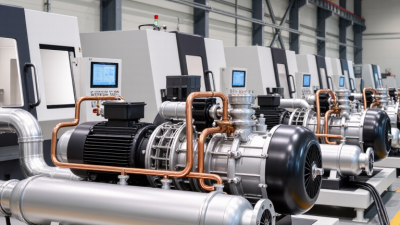
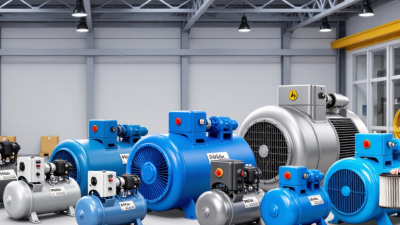
China’s rotary air compressor industry has grown from basic equipment supply into a competitive engineering sector. Today, Chinese manufacturers offer oil-injected screw compressors, oil-free models, variable-speed drives, and integrated air systems. Their products serve factories, workshops, hospitals, food plants, and electronics facilities.
Choosing a top manufacturer requires more than comparing advertised horsepower. Real performance depends on specific power, flow stability, pressure control, noise levels, and service response. ISO 1217 testing can support fairer comparisons. In practice, however, published figures may not always use identical conditions. That matters.
Small details matter.
A reliable supplier should explain its compressor’s free air delivery, motor efficiency, controller logic, and maintenance intervals. Buyers should also inspect spare-parts availability, technician coverage, warranty terms, and commissioning procedures. A low purchase price may become expensive when leaks, heat, or poor loading control increase energy use.
Ron Marshall, a recognized compressed-air systems specialist, has repeatedly stressed: “Compressed air is not free.” His warning remains practical because electricity often dominates a compressor’s lifetime cost. A factory running several units can waste substantial energy through unloaded operation, excessive pressure, or neglected filters.
This guide examines ten leading Chinese rotary air compressor manufacturers through technical capability, product range, manufacturing experience, export performance, and after-sales support. The selection is informative, not absolute. Market rankings change, and some company data is difficult to verify independently. Therefore, buyers should request test records, installation references, and lifecycle calculations before signing a contract. A careful comparison may reveal that the best compressor is not the cheapest one, but the one that delivers stable air with fewer surprises.

Understanding Rotary Air Compressors and Their Main Types
Understanding Rotary Air Compressors and Their Main Types
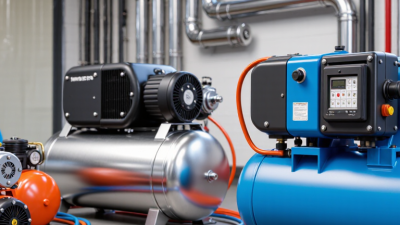
Rotary air compressors capture air in a chamber and reduce its volume through rotating components. Unlike piston machines, many rotary designs deliver a steadier flow with less pulsation. The main types include rotary screw, sliding vane, and scroll compressors. Screw models use intermeshing rotors; vane units rely on sliding blades inside an eccentric rotor. Scroll designs compress air between two spiral elements. Each has different service needs and operating characteristics.
The U.S. Department of Energy’s Improving Compressed Air System Performance guide reports that compressed air can account for about 10% of industrial electricity use, and up to 30% in some facilities. That makes compressor choice more than a purchase decision. Screw compressors often suit continuous plant demand, while scroll units are commonly considered for quieter, smaller applications. Vane designs offer another compact option, though maintenance and duty cycle matter. There is no universal winner. Real operating conditions can expose assumptions that looked sound on paper.
Tips: Record pressure, flow, and operating hours before comparing models. Check inlet filters and oil condition during routine inspections. A compressor running beside a hot furnace may lose efficiency; room temperature and ventilation matter. Don’t size from peak demand alone. A short measurement period can also mislead, so review production across different shifts.
How to Evaluate Rotary Air Compressor Manufacturers in China
China Top 10 Rotary Air Compressor Manufacturers?
How to Evaluate Rotary Air Compressor Manufacturers in China
Comparing rotary air compressor manufacturers in China takes more than checking quoted prices. Start with the operating conditions: required pressure, air demand, daily running hours, and installation environment. A machine sized for intermittent workshop use may struggle in a factory running two shifts. Ask for performance data at your actual operating pressure, not only headline capacity. Small details matter.
Inspect how each supplier supports its claims. Request test records, component specifications, and a clear explanation of the control system. If possible, review a unit running under load and note vibration, sound, temperature, and how quickly it reaches stable pressure. Ask what maintenance intervals mean in practice, including filter changes and oil checks. A polished brochure is not proof. I have seen buyers focus on purchase cost and overlook access to service parts; that choice can become expensive.
Evaluate the people behind the equipment, too. Can technical staff answer questions directly, or do replies stay vague? Request references from customers with similar applications, and ask about response times for troubleshooting. Confirm what the warranty covers, which documents accompany shipment, and whether installation guidance is available. Compare several written quotations using the same specifications. Some uncertainty remains: factory conditions, operator habits, and air leaks can change real-world energy use. A careful supplier should discuss those limits rather than promise effortless savings.
How to Evaluate Rotary Air Compressor Manufacturers in China
Suggested evaluation weights for comparing suppliers. These are decision-making guidelines, not measured market statistics; adjust them to fit your application.
Prioritize documented product performance, service capability, and compliance alongside price. Verify specifications, certificates, warranty terms, and references independently before making a purchasing decision.
China’s Leading Rotary Air Compressor Manufacturers: A Comparative Overview
China Top 10 Rotary Air Compressor Manufacturers?
China’s Leading Rotary Air Compressor Manufacturers: A Comparative Overview
Comparing China’s rotary air compressor manufacturers requires more than checking headline capacity. Buyers should examine specific power, delivered airflow, pressure stability, noise levels, and maintenance access. These details matter on a factory floor, where a small pressure drop can affect tools and production lines. The U.S. Department of Energy’s Improving Compressed Air System Performance guide notes that compressed air can account for about 10% of industrial electricity use. That makes operating efficiency a practical comparison point, not just a catalog claim.
Leading suppliers differ in engineering focus, product range, and service coverage. Some emphasize oil-injected screw units for general manufacturing; others offer oil-free models for applications requiring cleaner air. Variable-speed controls can help systems with changing demand, but savings depend on the load profile and correct sizing. Check performance data under stated test conditions, and ask whether local technicians can supply filters and service parts promptly. Useful evidence includes independent test results, clear warranty terms, and documented service response times.
Rankings can be misleading. A large production capacity does not automatically mean better reliability at a particular site. The DOE guide also warns that leaks and poor system design waste energy; compressor selection alone cannot fix them. Compare quotations using the same pressure, airflow, and duty assumptions. Then verify those assumptions against actual plant measurements. Small detail, big difference. Industry reports provide useful context, but published figures may not reflect every Chinese supplier or operating environment.
Industry Trends Shaping China’s Rotary Air Compressor Market
China’s rotary air compressor market is shifting from basic capacity growth toward lower energy use and smarter operation. Electricity can account for much of a compressor’s lifetime cost, so buyers increasingly compare efficiency at real operating loads, not just motor ratings. Variable-speed systems help match output to changing demand. Yet they are not automatically the best choice. A plant with steady, full-load production may need a different configuration.
Controls are becoming more connected. Sensors can track pressure, temperature, vibration, and filter condition, giving maintenance teams earlier warning of trouble. Small details matter: a blocked intake filter or a leaking hose can quietly waste energy. Quietly, but expensively. Heat recovery is also gaining attention, especially where warm water or space heating is useful. Oil-free rotary units serve applications with strict air-quality needs, though their purchase and maintenance requirements deserve careful comparison.
Manufacturers are also responding to demand for compact equipment, easier servicing, and clearer performance data. These changes make selection more technical. Buyers should check airflow at the required pressure, ambient-temperature limits, service access, and the cost of replacement parts. A specification sheet may look convincing. Site conditions can tell a different story. Efficiency claims should be tested against measured demand, and that step is still too often overlooked.