Top 10 Rotary Screw Compressor Manufacturers Worldwide?
Choosing among the top 10 rotary screw compressor manufacturers worldwide is not as simple as comparing horsepower or catalog prices. Factory managers usually need dependable airflow, stable pressure, manageable noise, and service support that reaches their facility quickly. A compressor may look impressive on paper yet perform poorly in a dusty workshop or a humid production line.
Ron Marshall, a recognized compressed-air efficiency specialist, has stated, “Compressed air is one of the most expensive forms of energy in a plant.” That warning gives this comparison practical weight. Energy efficiency matters. So do oil separation, variable-speed control, maintenance access, warranty coverage, and the manufacturer’s record in demanding applications. A technically advanced rotary screw compressor can still become an expensive mistake when its controls do not match the plant’s demand pattern.
This guide examines leading manufacturers through those real operating concerns, not brand familiarity alone. It considers global presence, product reliability, efficiency claims, technology, service networks, and customer experience. Public specifications provide a useful starting point, but they cannot reveal every field condition. That limitation deserves attention. Results vary with climate, installation quality, load profile, and maintenance discipline. No ranking can represent every buyer perfectly.
Some manufacturers excel in heavy industry. Others serve smaller workshops or specialized process environments. The strongest choice depends on the air system, not the logo on the receiver tank. Readers should verify current specifications, local support, and lifecycle costs before purchasing any rotary screw compressor. That extra check can prevent years of avoidable energy loss.
What Defines a Rotary Screw Compressor Manufacturer?
A rotary screw compressor manufacturer is defined by more than factory capacity or a polished catalog. It should demonstrate proven engineering, repeatable testing, and dependable service support. Experience appears in practical details: stable pressure at changing demand, accessible filters, low vibration, and clear maintenance intervals.
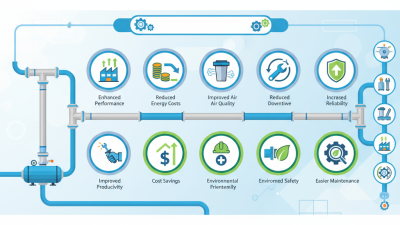
The U.S. Department of Energy’s Improving Compressed Air System Performance guide reports that compressed air can represent about 10% of industrial electricity use. It also notes that poorly managed systems may lose 20% to 30% of compressed air through leaks. These figures make efficiency a manufacturer responsibility, not merely an operating concern. A credible producer should publish specific power data, tested under recognized conditions, and explain how performance changes with temperature and load. ISO 1217 testing and ISO 8573-1 air-quality classifications add useful benchmarks. Still, standards do not guarantee perfect field results. Installation quality matters more than many buyers admit.
Tips:
Ask for full-load and part-load power curves. Request service records from comparable installations. Check local technician coverage, spare-parts availability, warranty limits, and response times. A low purchase price can become expensive when downtime fills the room with heat, noise, and urgent phone calls. I would also question vague claims such as “best efficiency.” They sound convincing, but they need measured evidence, operating assumptions, and independent verification.
Key Criteria for Comparing Global Compressor Producers
Top 10 Rotary Screw Compressor Manufacturers Worldwide: Key Criteria for Comparing Global Compressor Producers
A global top-ten list should measure more than production volume or advertising reach. Compare each manufacturer’s compressor efficiency at your actual pressure and flow requirements. A machine rated for 110 kW may perform differently under partial load. Request verified performance data, test conditions, and noise measurements. Look for documented quality systems, transparent warranty terms, and compliance with relevant industrial standards. These details reveal engineering discipline and reduce uncertain purchasing decisions.
Service capability matters just as much as compressor design. Check local technicians, spare-parts availability, remote monitoring, and response times. Ask for references from facilities with similar humidity, dust, and operating hours. A strong producer should explain maintenance intervals clearly, including separator, filter, lubricant, and air-end inspections. In field comparisons, a lower purchase price can appear attractive. Yet expensive downtime may erase that saving within months. Energy estimates can also be optimistic when based on ideal conditions. Recheck them using your electricity price and duty cycle.
Tips: Compare lifecycle cost, not only the quotation. Record your real load profile for seven days. Inspect the service plan carefully. Request written assumptions behind every efficiency claim. Leave room for doubt; supplier data still needs independent verification. A practical factory trial may expose vibration, heat, or control issues that brochures never mention.
Top 10 Rotary Screw Compressor Manufacturers Worldwide
A worldwide review of the top 10 rotary screw compressor manufacturers should examine more than production volume. Reliable manufacturers usually offer stable air delivery, efficient motors, and service support across multiple regions. Their machines serve factories, workshops, food processing plants, and construction sites.
Performance data matters. Look for airflow ratings, pressure stability, noise levels, and energy consumption under real working conditions. A compressor that performs well at full load may waste power during lighter production periods. Variable-speed control can reduce this waste, but savings depend on operating patterns and maintenance quality.
The strongest manufacturers provide clear manuals, accessible spare parts, trained technicians, and useful warranty terms. They also test equipment against recognized industrial standards. That builds trust. However, published efficiency figures are not always directly comparable. Different test conditions can change the result. Buyers should request operating data from similar facilities and inspect service response times. Small details matter, including filter access, drain design, vibration control, and controller accuracy. One practical lesson is often missed: the cheapest purchase can become expensive after repeated downtime.
Technology, Product Range, and Industry Applications
Top 10 Rotary Screw Compressor Manufacturers Worldwide: Technology, Product Range, and Industry Applications
The leading manufacturers compete through efficiency, controls, durability, and service support. Rotary screw compressors use paired rotors to deliver steady compressed air. Oil-injected models suit general manufacturing and workshops. Oil-free designs support food, pharmaceutical, and electronics production. Variable-speed drives adjust motor output when demand changes. This can reduce wasted energy during low-load periods. However, savings depend on correct sizing and stable operating conditions.
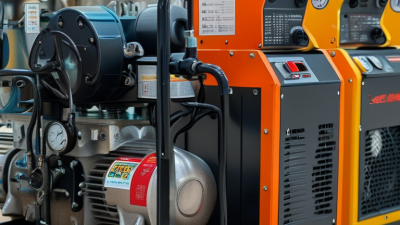
Product ranges often include compact units, heavy-duty packages, mobile compressors, dryers, filters, and air receivers. Some systems connect to factory monitoring platforms for pressure, temperature, and maintenance alerts. In my experience, a quiet compressor is valuable near assembly lines. A clean machine room is equally important. Dust, heat, and poor ventilation can shorten service life. Industry applications vary widely, from automotive tools to textile looms and wastewater aeration. Product brochures may look impressive, but field performance sometimes differs.
Tips: Compare delivered airflow, not only motor power. Check pressure at the point of use. Ask about local parts and technician response times. Leave room for maintenance access. A smaller, correctly controlled compressor may outperform a larger unit running continuously. Test real demand before choosing. Mistakes happen. That is why an air audit remains worthwhile.
How to Select the Right Manufacturer for Your Needs
Selecting a rotary screw compressor manufacturer requires more than comparing the top ten global names. Your operating conditions should guide the decision. Check pressure, airflow, duty cycle, ambient temperature, and installation space before requesting quotations.
A reliable manufacturer should provide verified performance data, service records, and clear warranty terms. Ask for the compressor’s full-load efficiency, specific power consumption, and expected maintenance intervals. Request references from facilities with similar production demands. Data matters more. A factory running continuously may need oil-injected equipment, remote monitoring, and rapid parts support. A smaller workshop may value compact design and lower purchase cost.
Inspect the technical support network before signing a contract. Can trained engineers reach your site quickly? Are replacement filters, separators, and bearings locally available? Ask how performance is tested after installation. Noise matters too. Poor ventilation or incorrect pipe sizing can reduce efficiency, even when the compressor itself is well designed. I have seen buyers focus heavily on the initial price and overlook energy costs over ten years. That decision can become expensive. Manufacturers should explain these risks without hiding behind impressive brochures. However, published figures may not match your actual conditions, so an independent energy assessment is worth considering. Leave room for doubt. A careful selection process often reveals that the cheapest machine is not the least costly choice.