What is an Air Compressor Air Dryer and How Does It Work?
An air compressor air dryer is a crucial component for many industries. It plays a vital role in ensuring the efficiency and longevity of air compressor systems. By removing moisture from compressed air, it prevents damage to tools and equipment. This keeps processes running smoothly.
Understanding how an air compressor air dryer works can help users make informed decisions. It operates by cooling the compressed air, causing water vapor to condense and be removed. The technology behind it can vary. Some systems use refrigeration, while others use desiccants for better moisture control.
However, not all systems work perfectly under every condition. Users must evaluate their specific needs to choose the right type. A miscalculation can lead to inefficiency and increased operational costs. Knowledge about air compressor air dryers can significantly improve performance and reliability in applications.
What is an Air Compressor Air Dryer?
An air compressor air dryer is crucial for maintaining air quality in pneumatic systems. It removes moisture from compressed air, preventing rust and equipment damage. Moisture can cause issues in tools and machinery. For industries relying on compressed air, this step enhances performance and longevity.
These dryers operate through different methods. Refrigerated dryers cool the air, condensing moisture into water. Desiccant dryers use materials that absorb water vapor. Each type has its pros and cons. Users often overlook maintenance, which can lead to inefficiency. Neglecting this area might impact productivity.
Understanding the specific needs of your operation is essential. Sometimes, budget constraints limit the choice of air dryers. This choice may affect overall system efficiency and reliability. Regular checks and adjustments improve performance. Recognizing these details leads to better air quality and equipment lifespan. Making informed decisions in this area can significantly impact operations.
Types of Air Compressor Air Dryers Explained
Air compressor air dryers are essential components in compressed air systems. They help remove moisture from the air, preventing rust and corrosion in tools and equipment. Different types of air dryers serve specific needs and applications in various environments. Understanding these types helps in selecting the right one for your operations.
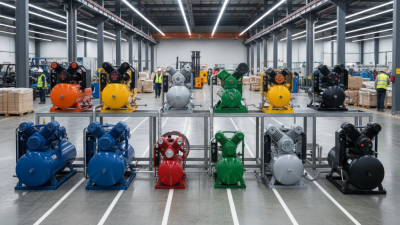
Refrigerated air dryers are common. They cool the air, causing moisture to condense. This condensed water drains away, resulting in drier air. However, they may not work well in extremely low temperatures. Desiccant air dryers, on the other hand, utilize hygroscopic materials to absorb moisture. They are effective in low-temperature applications but require periodic replacement of the desiccant media, which can be inconvenient. Membrane dryers, although less common, separate moisture from air using selective permeability.
Installing the appropriate air dryer can lead to better performance and extended equipment lifespan. However, improper sizing or maintenance can lead to inefficiencies. Regular checks are vital. A poorly maintained dryer might allow moisture to slip through, causing damage. Understanding the operational requirements of your air system is crucial. This knowledge can help you make informed choices, leading to a more reliable and efficient compressed air setup.
How an Air Compressor Air Dryer Works
An air compressor air dryer is essential in many applications. It removes moisture from compressed air. This process prevents corrosion and equipment damage. A typical air dryer utilizes either heat or refrigerants to condense moisture. As air cools, water vapor turns into liquid. It is then separated and drained away.
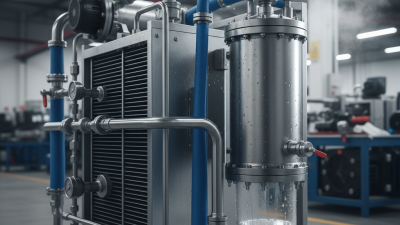
Understanding how an air compressor air dryer works requires some technical knowledge. In a refrigerated dryer, warm air passes through an evaporator coil. The coil cools the air, causing moisture to condense. The dry air continues through the system, while the water collects in a trapped reservoir. The energy consumption of dryers can vary. Proper maintenance is key to improving efficiency. Dirty filters or malfunctioning components can lead to increased moisture levels.
While these machines are effective, challenges exist. Installation needs careful planning. Improper setup can lead to ongoing issues. Regular checks ensure optimal performance over time. Pay attention to signs of wear and tear. Awareness of these factors can save resources and prevent breakdowns. The right practices enhance the reliability of your air system.
Benefits of Using an Air Compressor Air Dryer
Using an air compressor air dryer can bring many benefits, especially in industrial applications. These devices remove moisture from compressed air, which can prevent equipment corrosion and reduce maintenance costs. For instance, moisture in air lines can lead to rust and damage internal components. Drying the air helps extend the lifespan of pneumatic tools and machinery.
Implementing an air dryer enhances the efficiency of your air system. It ensures that you have clean, dry air for your applications, which can improve product quality. Contaminated air might cause issues like paint defects or inconsistent surface finishes. In some cases, users may find that they need to re-evaluate their air systems. Without proper drying, air quality can degrade, leading to costly downtime.
While the benefits are clear, it is crucial to choose the right dryer for your needs. Not all dryers are created equal, and performance can vary. Some may struggle with high humidity levels, while others might consume excessive energy. Regular assessments and adjustments are vital for maintaining optimal operation. Understanding these nuances helps ensure your compressor system runs smoothly.
Maintenance Tips for Air Compressor Air Dryers
Maintaining an air compressor air dryer is crucial for optimal performance. Regular inspections should occur every month. Listen for unusual noises during operation; they may indicate wear. Inspect all hoses and connections for leaks. Even a small leak can drastically reduce efficiency.
Clean or replace filters as needed. Dust and debris can build up over time, impacting air quality. Keeping the filters clean ensures the dryer functions properly. Monitor the condensate drainage system regularly. Accumulated moisture can lead to corrosion and damage if not addressed.
Don’t overlook the importance of lubricating moving parts. A well-lubricated dryer runs smoother and lasts longer. Document any maintenance performed. This record helps identify recurring issues. It’s easy to overlook minor problems until they escalate. Regular maintenance is an investment in longevity and reliability. Always stay proactive rather than reactive.