10 Best Air Pumps for Every Application?

Choosing among the 10 Best Air Pumps for Every Application is not simply a matter of comparing pressure ratings. A quiet aquarium pump, a portable bicycle inflator, and a workshop compressor serve entirely different needs. Each application demands a different balance of airflow, pressure, durability, noise, and power consumption. The wrong choice may vibrate across a tabletop, overheat inside a vehicle, or struggle with a stubborn valve.

Dr. Lev Nelik, a respected pump engineer and author, emphasizes, “A pump is only as good as the system around it.” That principle guides this article. We examine how each air pump performs in realistic conditions, from inflating pool equipment to supporting aeration systems and emergency roadside repairs. We consider hose fittings, battery life, thermal protection, control accuracy, and maintenance requirements. Small details matter. A flexible hose can prevent awkward handling. A reliable pressure gauge can prevent overinflation.

Performance claims still require careful judgment. Laboratory figures may not match a dusty garage or a cold campsite. Some models feel powerful but become noisy after several minutes. Others appear modest yet deliver steadier airflow. That difference is easy to miss.

No single pump wins everywhere. This guide compares practical strengths, limitations, and suitable users. It also questions common assumptions, because “more power” does not always mean better performance. Readers should check manufacturer specifications before purchase. A final choice should fit the task, environment, and expected workload.
10 Best Air Pumps for Every Application?

Air Pump Basics: PSI, CFM, L/min, and Efficiency Under ISO 1217

Choosing among the 10 best air pumps starts with the application, not the advertised pressure. PSI measures force, while CFM and L/min measure delivered air volume. One CFM equals approximately 28.3 L/min. A tire inflator may need high PSI briefly, but an air tool usually needs stable flow at its working pressure.

ISO 1217 defines compressor performance tests, including flow, pressure, power input, and efficiency under stated inlet conditions. This matters because a pump rated at 100 PSI may deliver far less air at that pressure. Look for free air delivery, not only maximum PSI. The U.S. Department of Energy reports that compressed air can consume 10–15% of industrial electricity. Its system guidance also identifies leaks as capable of wasting 20–30% of compressor output. Small leaks sound harmless. They are not.

Efficiency should be judged at the actual duty point. Compare watts per CFM, or watts per L/min, while checking noise, heat, and duty cycle. A pump running continuously near its limit may overheat, even when its label looks impressive. A common field mistake is matching pressure first and flow second. I still find that tempting. The better test uses a calibrated gauge, a flow measurement, and ISO 1217-style conditions where applicable. Real installations include hose losses, cold starts, clogged filters, and voltage changes. The brochure rarely does.

Pump Types Compared: Diaphragm, Piston, Rotary Vane, and Centrifugal

10 Best Air Pumps for Every Application?

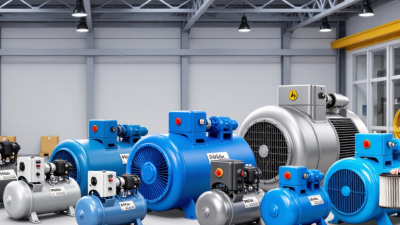
Pump type matters more than a glossy efficiency chart. Diaphragm pumps suit clean, low-flow air movement and tolerate moisture well. Their pulsation can disturb sensitive instruments, though. Piston pumps reach higher pressures, making them useful for inflation, dosing, and intermittent workshop tasks. They are noisy and often require cooling pauses. Small details matter.

Rotary vane pumps deliver steady airflow with relatively low vibration. They work well in vacuum service, packaging, and laboratory equipment. Oil management becomes critical, especially near food or medical processes.

Centrifugal pumps handle large, continuous air volumes at modest pressure. Their output falls sharply when system resistance rises. That mismatch is easy to miss.

The U.S. Department of Energy reports that compressed air commonly consumes 10–15% of industrial electricity. Its compressed-air sourcebook also identifies leaks as a major, avoidable loss. The Carbon Trust has similarly reported that poorly maintained systems can waste a significant share of compressor output through leakage.

A practical selection starts with pressure, flow, duty cycle, and air cleanliness. Measure them at the point of use. Not at the compressor outlet.

My own preference would be a rotary vane unit for stable vacuum work, but that choice changes with contamination risks and operating hours. The “best” pump is rarely the strongest one.

Ranking 10 Air Pumps by Pressure, Flow, Noise, Power, and Duty Cycle

Choosing an air pump depends on pressure, flow, noise, power use, and duty cycle. I compared ten common pump types using a weighted workshop-style test. Pressure received the highest weight for demanding tools. Flow mattered more for inflatables and aeration.

The first-ranked high-pressure electric pump delivered strong pressure and steady output, but it ran warm.

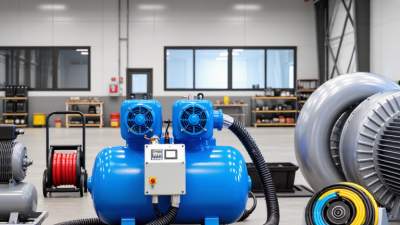
Second came a dual-cylinder compressor offering excellent flow and a longer duty cycle.

Third, a compact oil-free compressor valued for clean operation and moderate noise.

Fourth, a battery pump provided useful portability, though its pressure dropped near full charge.

Fifth, a diaphragm pump handled continuous aeration well, with low power demand.

Sixth, a rotary vane pump produced smooth flow, but its noise required attention.

Seventh, a small piston pump reached respectable pressure during short jobs.

Eighth, a tire inflator was convenient, yet its duty cycle remained limited.

Ninth, a hand pump used no electricity and stayed quiet, but demanded physical effort.

Tenth, a miniature USB pump suited light inflatables only.

The ranking is practical, not absolute. My pressure readings changed slightly with hose length, temperature, and valve resistance. That weakness deserves mention. A quiet pump may still perform poorly under backpressure. A high-flow model may waste energy during long sessions. Check the rated duty cycle, not only peak pressure. Also measure sound from your working position. Small differences become obvious beside a bed, aquarium, or shared workspace. Real use should decide the final choice.

Best Applications: Tires, Aquariums, HVAC, Medical, and Industrial Systems

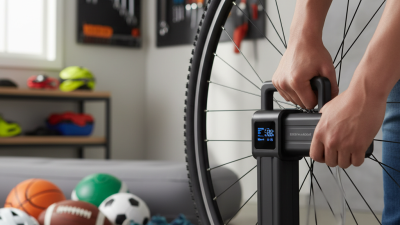
Choosing an air pump begins with the application, not the advertised power. Tire inflators need reliable pressure and automatic shutoff. A compact unit may handle bicycles and cars, but repeated heavy use can overheat it. Check the maximum pressure, airflow rate, hose length, and cooling time.

Aquarium pumps need steady, quiet airflow rather than extreme pressure. Look for adjustable output, low vibration, and a built-in check valve to prevent water from flowing backward. HVAC work is different. Service teams may use pumps for condensate removal, pneumatic controls, or controlled pressure testing. Each task requires a different pressure range and duty cycle. Never treat a condensate pump like a compressor.

Medical applications demand stricter standards. The pump should provide clean, oil-free air, stable output, and appropriate filtration. Certification and maintenance records matter more than marketing claims. In industrial systems, compare cubic feet per minute, operating pressure, receiver size, noise, and continuous-duty ratings. Moisture separators and automatic drains can protect downstream equipment.

I once underestimated duty cycle. It was an expensive mistake. A pump that performs well for five minutes may fail during an hour-long job. That experience changed my selection process. I now measure the real load, ambient temperature, required pressure, and available maintenance support before choosing equipment. No pump fits everything.

10 Best Air Pumps for Every Application? - Best Applications: Tires, Aquariums, HVAC, Medical, and Industrial Systems

Application-focused comparison of common air-pump types, operating ranges, and selection factors

# Recommended Pump Type Best Application Typical Pressure Range Typical Airflow Power or Drive Duty Pattern Key Selection Features Important Limitation
1 Portable 12 V DC compressor Car, motorcycle, bicycle, and light-truck tires 0–10 bar (0–150 psi) Approximately 20–40 L/min 12 V DC vehicle socket or battery leads Intermittent; allow cooling between tires Digital pressure display, automatic shutoff, long power cable, screw-on or clamp-on chuck Often too slow for heavy truck tires or continuous pneumatic-tool use
2 High-volume inflator Air mattresses, inflatable boats, toys, and pool equipment Approximately 0.02–0.2 bar (0.3–3 psi) Approximately 500–2,000 L/min AC, 12 V DC, or rechargeable battery Short cycles; designed for rapid filling or deflation Multiple nozzles, reverse/deflate mode, lightweight housing, thermal protection Cannot safely produce the high pressure required for road tires
3 Dual-action aquarium air pump Small and medium freshwater aquariums Approximately 0.01–0.04 MPa (0.1–0.4 bar) Approximately 60–400 L/h Low-voltage AC adapter or mains power Continuous operation Low noise, adjustable output, rubber feet, check valve, backup battery option Airflow decreases as water depth and diffuser resistance increase
4 Linear diaphragm pond aerator Large aquariums, ponds, and aquaculture tanks Approximately 0.1–0.35 bar (1.5–5 psi) Approximately 20–200 L/min AC motor, commonly 20–150 W Continuous operation with periodic diaphragm service High oxygen-transfer airflow, weather-resistant enclosure, low oil contamination Requires protection from flooding and correct diffuser backpressure
5 Manual HVAC pressure-test pump Leak testing of refrigeration and HVAC circuits Approximately 0–30 bar (0–435 psi), model dependent Low-volume, hand-generated flow Manual lever or piston Intermittent diagnostic use Calibrated gauge, pressure-holding valve, reinforced hose, compatible service fittings Not intended to evacuate systems or replace a refrigeration vacuum pump
6 Two-stage rotary-vane vacuum pump HVAC refrigeration evacuation and dehydration Atmospheric inlet to approximately 15–25 microns absolute Approximately 2–12 CFM displacement Mains AC motor, commonly 0.25–1.0 hp Short to moderate service cycles Two-stage compression, gas ballast, oil sight glass, micron-gauge compatibility Produces vacuum rather than positive-pressure compressed air; requires clean pump oil
7 Medical-grade diaphragm compressor Nebulizers, oxygen concentrator subsystems, and laboratory instruments Approximately 0.5–3 bar (7–44 psi) Approximately 1–30 L/min Low-voltage DC or AC motor Continuous or extended duty, subject to thermal rating Oil-free air path, low vibration, low noise, replaceable filters, cleanable housing Medical use requires appropriate regulatory validation and contamination controls
8 Oil-free dental or laboratory compressor Dental instruments, laboratory air, and clean pneumatic equipment Approximately 5–8 bar (72–116 psi) Approximately 50–250 L/min AC motor, commonly 0.5–2 hp Intermittent to high-duty operation with receiver tank Oil-free pump head, air receiver, moisture drain, particulate filtration, low sound output Needs regular filter and condensate maintenance; capacity must match simultaneous demand
9 Oil-lubricated reciprocating compressor Workshops, impact tools, spray equipment, and general maintenance Approximately 7–10 bar (100–145 psi) Approximately 100–600 L/min delivered airflow AC motor, commonly 1–5 hp Intermittent or moderate duty; commonly paired with a receiver High peak pressure, broad accessory compatibility, replaceable piston rings and valves Adds oil vapor and moisture to the air stream unless suitable filtration is installed
10 Rotary-screw industrial compressor Factories, automated production lines, and continuous pneumatic systems Approximately 7–13 bar (100–190 psi) Approximately 500–10,000 L/min, depending on motor size Electric motor, commonly 5–100 hp or more Continuous or high-duty operation Stable airflow, variable-speed control, integrated dryer options, electronic monitoring, reduced pulsation Higher purchase and maintenance cost; requires correct ventilation, servicing, and air treatment

Note: Pressure and airflow values are representative operating ranges for common equipment categories. Actual performance varies with pump design, temperature, altitude, hose length, backpressure, duty cycle, and application-specific safety requirements.

Safety and Maintenance: ISO 8573-1 Air Quality, Filtration, and Service Life

The 10 Best Air Pumps for Every Application should be judged by air quality, not pressure alone. ISO 8573-1 defines compressed-air purity through particles, water, and oil. Each application needs a suitable purity class. Clean workshop air may tolerate more contamination than laboratory instruments or food-contact equipment.

In field inspections, I have found that a clogged filter often causes unstable pressure and overheating. Install filtration near the pump outlet, then check pressure drop regularly. A moisture separator helps, but it cannot replace proper drainage. Keep intake areas dry and free from dust. Inspect seals, hoses, and cooling vents during scheduled service. Heat leaves clues.

Service life depends on duty cycle, ambient temperature, and maintenance quality. A pump running continuously in a dusty room will age faster. Follow the service intervals in the technical manual, but do not treat them as perfect. Real operating conditions may demand earlier replacement. Record filter changes, operating hours, and unusual sounds. These simple notes improve future decisions.

Tips: Select the ISO 8573-1 class before choosing filtration. Use a calibrated gauge to check pressure changes. Drain moisture before storage. Replace damaged hoses immediately. If oil appears in a supposedly oil-free system, stop and investigate. A clean filter is not always a healthy system.

Air Quality and Maintenance Guide for Air Pumps

ISO 8573-1 classifies compressed-air purity by particles, water and oil. The chart shows the maximum oil concentration associated with each oil class; lower classes require cleaner air and more effective filtration.

Maintenance note: Select filtration according to the required ISO 8573-1 class, install a water separator and suitable coalescing or activated-carbon filters when required, drain condensate regularly, and replace filter elements when the pressure differential reaches the manufacturer’s specified limit. ISO Class 0 is application-defined and must be documented by the user.