1-800-868-2450
My Account | Cart | Checkout
Choosing the best air treatment system starts with the air you have, not the machine on sale. A dusty bedroom, a smoky kitchen, and a damp basement call for different solutions. Air treatment may involve filtration, ventilation, humidity control, or a combination of these. The right choice depends on the problem, the room, and how the system will be maintained. Bigger is not always better.
Healthy-buildings researcher Joseph G. Allen has said, “The air we breathe is the most important thing we consume.” That perspective makes practical sense. A filter cannot solve every indoor air problem, and a quiet unit may still be ineffective if it is undersized. Check the system’s stated performance, room-size guidance, noise level, replacement-filter cost, and maintenance requirements. Look for evidence from reliable testing, not vague promises on a box. Then consider where the unit will sit: a purifier hidden behind a sofa cannot circulate air well. Small details matter.
This guide explains how to match an air treatment system to common indoor concerns, compare key technologies, and assess installation and upkeep. It also considers energy use and the limits of consumer devices. There is no perfect system. Real homes are messy, and product claims can be hard to compare. A careful choice begins with identifying the main concern and checking whether the proposed solution can address it.
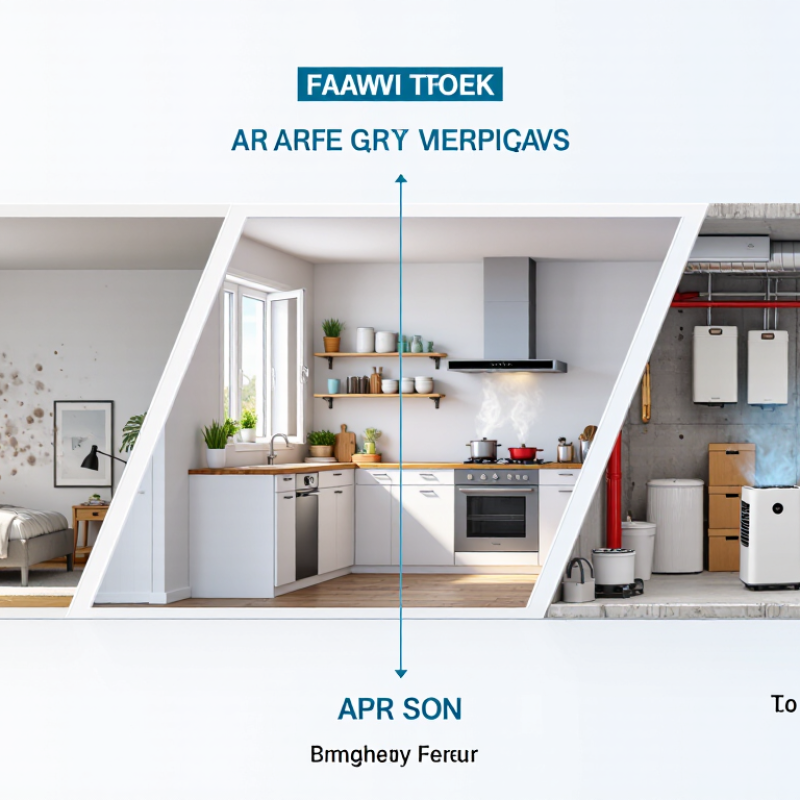
Choosing an air treatment system starts with identifying what is actually bothering you. Fine dust settling on shelves points to a different problem than lingering cooking smells or seasonal pollen. Smoke and some airborne particles may call for particle filtration, while certain gases and odors require suitable sorbent media. No single filter handles everything equally well.
Look for patterns before shopping. Do symptoms worsen in one room, after cooking, or when windows are closed? Note visible dust, persistent dampness, and odors, but remember that smell alone cannot identify a pollutant. A basic particle monitor can show changes in airborne particles; it cannot detect every gas or confirm that air is safe. Humidity readings can help flag conditions that encourage mold, though they do not prove mold is present. Small clues count.
Match any proposed system to the problem it is designed to reduce, then check its room-size rating, airflow, and filter replacement needs. If dampness keeps returning, address the moisture source rather than relying on an air cleaner. For unexplained symptoms or suspected pollutants, seek qualified assessment; guessing can waste money. Even a careful checklist can miss something. Revisit your assumptions when conditions change, and treat measurements as clues, not a diagnosis.
Air treatment systems solve different problems, so compare their functions before comparing features. A central HVAC filter captures particles as air circulates through the home. Check its rating and confirm that your equipment can handle it; a very restrictive filter may reduce airflow. Portable air cleaners treat a specific room, making them useful near a dusty desk or pet bed. They do not replace fresh-air ventilation.
That matters.
Ventilation systems exchange indoor and outdoor air, which can help remove stale air and odors. Their value depends partly on outdoor air quality and proper installation. Dehumidifiers reduce excess moisture, while humidifiers add moisture when indoor air is too dry. Neither is designed to remove dust. Ultraviolet devices may support certain treatment setups, but they should not be treated as a substitute for filtration or ventilation.
A common mistake is expecting one machine to fix every comfort issue. It rarely works that neatly.
Match the system to what you can observe: lingering cooking smells, visible condensation, or dust returning soon after cleaning. Then check room size, filter replacement needs, noise, and maintenance instructions. The choice can still feel imperfect, so reassess after use rather than trusting a product label alone.
A suitable air treatment system should fit the room, not just the floor plan. Measure the room’s length and width, then check ceiling height; a tall room holds more air than its footprint suggests. Compare the system’s stated coverage or clean-air delivery rate with your actual space. Ratings can use different assumptions, so treat them as a guide, not a guarantee.
Tips: Note where dust, cooking smells, or pet hair build up. Keep the unit’s intake and outlet clear, and consider a higher setting for busy rooms. Listen to it at that setting. A system that is too noisy may end up switched off.
Usage matters as much as room size. A bedroom with closed doors has different needs from a living room shared by several people. Frequent cooking, open windows, or multiple pets can increase the load. If you use the system in more than one room, check whether its capacity suits the larger space. It may not clean both rooms effectively through an open doorway. Also consider how often filters need attention and whether replacement parts are easy to find. These details are easy to overlook. Capacity estimates remain imperfect because room layout and daily habits vary, so observe performance after setup and adjust placement or settings when needed.
Estimated clean-air delivery rate (CADR) needed to achieve 5 air changes per hour in rooms with 8-foot ceilings. Values are calculated from room volume × air changes per hour ÷ 60 and rounded to the nearest CFM.
How to use this chart: Choose a system with a CADR at or above the estimate for your room size. Recalculate for higher ceilings, and consider a higher-capacity unit or multiple units when usage or pollutant levels are greater.
How to Choose the Best Air Treatment System?
Assess Filtration Performance and Ongoing Costs
Start with the room, not the product label. Match the system’s clean-air delivery rate to the room’s size and use. A unit that works well in a quiet bedroom may struggle in a large, busy living area. Check which particle sizes the filter captures and whether performance was tested independently. Look for clear details, not broad claims. Airflow matters too: a highly efficient filter can clean less air if the fan runs slowly. Real rooms are messy, and open doors can change results.
Then estimate the cost of keeping the system running. Add replacement filters, electricity, and likely maintenance over several years. Check how often filters need changing, but treat that schedule as a guide; dust, pets, and cooking can shorten it. A low purchase price may hide expensive replacements. Noise also matters. If the unit is too loud, people may turn it down, weakening its practical performance. I’ve seen this trade-off overlooked: the best specification is not always the best everyday choice.
Tips: Compare clean-air delivery at the fan speed you can tolerate. Write down annual filter and energy costs before buying. Leave space for airflow around the unit. And be willing to revise your estimate; household conditions rarely stay perfectly predictable.
| System Type | Typical Particle Performance | Best Suited For | Ongoing Maintenance | Estimated Annual Running Cost (USD) | Key Considerations |
|---|---|---|---|---|---|
| Portable mechanical HEPA air cleaner | A true HEPA filter is rated to capture at least 99.97% of particles at 0.3 microns under specified test conditions. Room-level performance depends on the unit’s clean air delivery rate (CADR), placement, and fan speed. | Bedrooms, offices, or other individual rooms where a suitable CADR can be matched to the room size. | Replace the HEPA filter as directed; clean any washable pre-filter. Check the filter more often in dusty or high-use environments. | $110–$300, including typical filter replacements and electricity. | Compare independently reported CADR with room area. Higher fan speeds may improve air cleaning but increase noise and energy use. |
| Central HVAC with a MERV 13 filter | MERV 13 filters are rated to capture at least 50% of particles in the 0.3–1 micron range, 85% in the 1–3 micron range, and 90% in the 3–10 micron range under the ASHRAE test method. | Homes or buildings with compatible central heating and cooling systems and regular fan operation. | Inspect the filter regularly and replace it according to the system and filter manufacturer’s guidance; replacement intervals vary with use and dust load. | $40–$180 for filters; any additional fan-energy cost varies by system. | Confirm that the HVAC equipment can handle the filter’s airflow resistance. A restrictive filter can reduce airflow if the system is not designed for it. |
| Central HVAC with a MERV 14 filter | MERV 14 filters are rated to capture at least 75% of particles in the 0.3–1 micron range, 90% in the 1–3 micron range, and 95% in the 3–10 micron range under the ASHRAE test method. | Compatible central systems where higher particle filtration is desired and airflow has been verified. | Inspect and replace as specified. Filter life depends on system runtime, indoor particle levels, and the filter’s dust-holding capacity. | $60–$240 for filters; any additional fan-energy cost varies by system. | Have system compatibility checked before upgrading. Higher filtration is not automatically better if it causes inadequate airflow or increased equipment strain. |
| Portable HEPA cleaner with activated carbon | The HEPA component provides particle filtration comparable to a portable HEPA unit. Carbon can reduce some gases and odors, but performance depends on carbon quantity and the specific compounds involved. | Rooms where both airborne particles and certain odors or gases are concerns. | Replace the particle and carbon filters as directed. Carbon may become saturated before the particle filter reaches the end of its service life. | $130–$400, including typical filter replacements and electricity. | Check the amount of carbon and whether the manufacturer identifies the gases tested. A thin carbon-coated sheet may have limited capacity for gas removal. |
| Standalone activated-carbon filter | Does not provide a standardized particle-removal rating unless it also includes a particle filter. Gas and odor removal varies by carbon type, quantity, airflow, and target compound. | Targeted odor or selected gas reduction when the specific contaminant is known and the filter is suitable for it. | Replace the carbon media based on usage and performance; spent media may no longer control odors effectively. | $30–$200, depending on filter size and replacement frequency. | Not a substitute for particle filtration or source control. No single carbon filter removes every gas or volatile organic compound. |
| In-duct UV-C air treatment | UV-C is not a particle filter and does not provide a MERV rating or HEPA-style particle capture. Its effectiveness against microorganisms depends on lamp output, exposure time, airflow, and installation. | Supplemental treatment in compatible HVAC systems, installed and maintained according to the equipment guidance. | Replace lamps at the specified interval and keep components clean; lamp output can decline over time. | $50–$250, including typical lamp replacement and electricity. | Use as a supplement, not a replacement for filtration or ventilation. Avoid systems that may generate ozone; follow safety instructions for UV exposure. |
Cost and selection notes: Annual costs are illustrative planning ranges, not quotes. They assume typical residential use and vary with local prices, operating hours, filter size, and replacement schedule. Electricity can be estimated as: watts ÷ 1,000 × operating hours × electricity price per kWh. For particle filtration, compare a portable unit’s CADR with the room size or verify that an HVAC system can maintain adequate airflow with its chosen filter. No air-cleaning device replaces addressing pollutant sources and providing appropriate ventilation.
Before choosing an air treatment system, check what your home can actually support. A central unit may need compatible ductwork, space near the furnace, and a nearby drain. A portable unit needs a stable surface and enough clearance for airflow. Measure doorways and installation spaces, too. Small details matter.
Ask an installer to review electrical capacity, ventilation, and any moisture drainage needs. Humidifying or dehumidifying equipment can create problems if water is not managed correctly. Check whether filters or other parts can be reached without moving heavy equipment. That detail is easy to miss. A tidy installation plan can overlook the awkward corner where routine access is needed.
Maintenance affects both performance and long-term effort. Find out how often filters need changing, whether they are washable, and how much replacement parts typically cost. Check cleaning instructions before buying; some components may need regular attention. Keep a simple service log. It helps. I would still leave room for uncertainty: dust levels, pets, and seasonal use can change how often maintenance is needed. Ask the installer what schedule fits your home, then adjust it after observing the system.
I&M Industrials Inc.
10 Akron Drive
Greenville SC 29605
Phone: 864-277-2450
GSA Number – GS07F0379Y