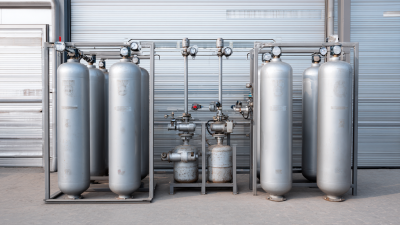
Why Do You Need Air Compressor Repair?
An air compressor may run quietly in a workshop for months, then start taking longer to fill its tank. A pressure gauge that rises slowly, a motor that cycles too often, or a faint hiss near a fitting can point to a developing fault. These signs are easy to overlook. They can also affect tool performance, energy use, and the compressor’s service life. Air compressor repair helps identify the cause before a minor issue becomes a costly breakdown.
Not every unusual sound means a major failure. A loose connection, clogged intake filter, worn belt, or faulty pressure switch may produce similar symptoms, so guessing can lead to wasted parts or missed risks. A careful inspection should follow the manufacturer’s manual and consider the compressor’s age, duty cycle, and maintenance history. Keep the unit switched off and depressurized before routine checks; leave electrical, pressure-vessel, and internal mechanical work to a qualified technician. Small details matter. A service record can help reveal patterns, though records are not always complete. Repair is worth considering when it restores reliable pressure and safe operation at a reasonable cost. Understanding when to arrange air compressor repair can help owners make a more informed decision, rather than waiting for the machine to stop mid-job.
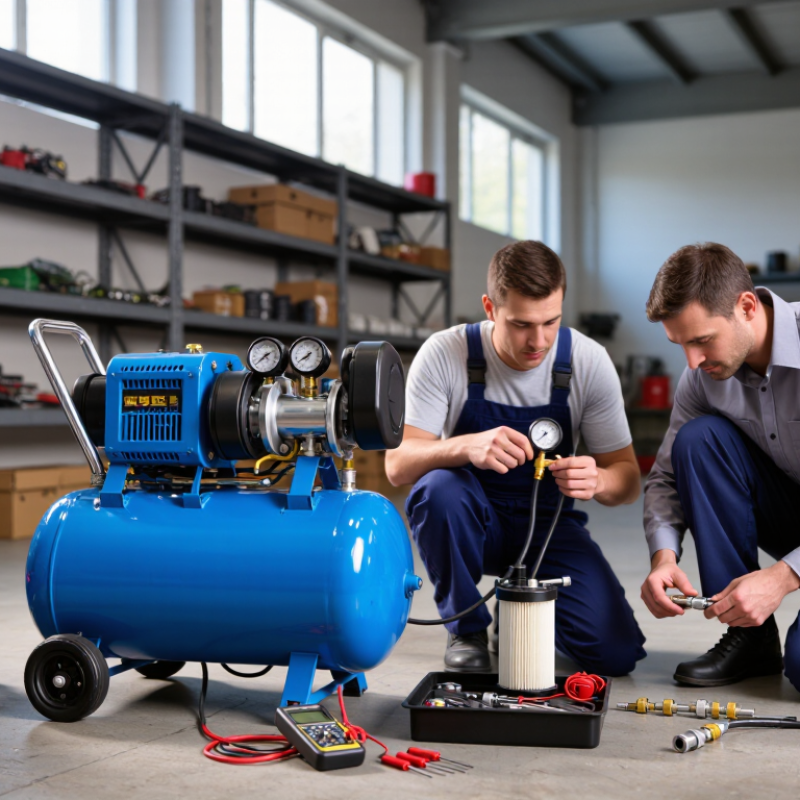
How Air Compressors Work and Why They Need Repair
An air compressor pulls in room air, reduces its volume, and stores the pressurized air in a receiver. That pressure drives tools, actuators, and production equipment. Compression also creates heat and moisture. Aftercoolers, drains, filters, and lubricated moving parts help manage them. When a drain sticks or a filter clogs, pressure can fall and the compressor may run longer to meet demand. Small leak. Big cost.
The U.S. Department of Energy’s Improving Compressed Air System Performance sourcebook reports that leaks can waste 20–30% of compressor output in some plants. A hiss near a hose fitting may seem minor, yet it can keep a unit cycling through a shift. Worn seals, failing valves, dirty coolers, and unusual vibration also deserve attention. A technician can check pressure, temperature, airflow, and electrical readings to identify the cause rather than replace parts by guesswork.
Repair matters because compressed air can carry a substantial energy burden. The same DOE sourcebook notes that compressed air systems use about 10% of industrial electricity, with the share higher in some facilities. That figure is not a promise of savings at every site; system design and operating hours differ. Maintenance records help, but they are imperfect. Intermittent faults can vanish before inspection, so noting when pressure drops or a motor overheats gives technicians useful evidence.
Why Air Compressors Need Repair
A compressor draws in air, compresses it, and stores it in a tank. The pressure switch starts and stops the motor to keep tank pressure within its set range.
Example settings for many shop compressors—not universal specifications. If a unit struggles to reach its cut-out pressure or cycles unusually often, leaks, a restricted intake filter, or worn valves and seals may need attention.
Common Signs of Air Compressor Trouble
Why Do You Need Air Compressor Repair?
Common Signs of Air Compressor Trouble
A compressor often signals trouble before it stops. Listen for new rattling, knocking, or a motor that cycles more often than usual. Check for slow pressure recovery, warm discharge air, and oil or water around fittings. These clues may point to worn components, blocked filters, leaks, or moisture problems. One symptom alone is not a diagnosis. A qualified technician can inspect the system and confirm the cause.
Small leaks can have a real cost. The U.S. Department of Energy’s Improving Compressed Air System Performance guide reports that leaks may waste 20–30% of compressor output in poorly maintained systems. Watch for pressure dropping while equipment is idle, or a persistent hiss near hose connections. Repairing leaks and servicing filters can restore performance, but settings should be checked against equipment requirements. That detail is easy to overlook.
Tips: Note when the noise, heat, or pressure change occurs. Photograph visible leaks, then shut the unit down if it smells burnt or vibrates severely. Don’t keep resetting an unexplained fault; repeated operation may worsen damage. Early checks help, though they cannot replace a proper inspection.
What Causes Air Compressor Failures
Air compressors rarely fail without warning. Many problems begin with heat, moisture, contamination, or neglected routine checks. A clogged intake filter restricts airflow, making the motor work harder and run hotter. Dust on the cooling fins can trap that heat. In a poorly ventilated room, temperatures may climb even faster. That sounds obvious, but it is easy to overlook.
Moisture is another common cause. When warm compressed air cools inside the tank, water can collect and encourage internal corrosion. A drain that is ignored may leave rust-colored water at the outlet. Worn seals, loose fittings, and damaged hoses can also leak air. The compressor then runs more often to maintain pressure, adding wear to the motor and pump. Small leaks matter.
Lubrication problems deserve attention, too. Low or contaminated oil can increase friction, while the wrong maintenance schedule may leave moving parts insufficiently protected. Electrical faults, such as a failing capacitor or loose connection, can cause hard starts or sudden shutdowns. These symptoms are not always easy to diagnose from sound alone. Check filters, drains, oil levels, and visible connections regularly. If pressure drops, overheating, or unusual vibration persists, stop relying on guesswork and have a qualified technician inspect the unit. A quick repair can prevent a minor fault from damaging more expensive components.
Risks of Delaying Air Compressor Repairs
Why Do You Need Air Compressor Repair?
Risks of Delaying Air Compressor Repairs
A delayed repair rarely stays small. A faint hiss near a fitting can signal escaping air, while longer run times may point to a leak or worn component. When pressure drops, tools may operate inconsistently, and the compressor may cycle more often to keep up. That adds wear and can increase energy use. Small leak, big nuisance.
Heat deserves attention. A clogged intake filter, poor ventilation, or a failing part can contribute to overheating. Repeated shutdowns are not just inconvenient; they can interrupt work and place extra strain on the motor. Moisture also collects inside many air systems. If draining or drying equipment is neglected, water can travel into hoses and affect tools or finished work. The details vary by setup, so symptoms alone do not confirm a fault.
In practice, people sometimes wait because the compressor still runs. Understandable, but running is not the same as running well. Note unusual noise, pressure changes, hot surfaces, or frequent cycling, and share those observations with a qualified technician. Stop using the unit if you notice burning odors, smoke, or damaged wiring, and arrange an inspection. A little uncertainty is worth admitting: not every rattle means a major failure. A timely check can clarify the cause before a minor issue disrupts a full shift.
Why Do You Need Air Compressor Repair? - Risks of Delaying Air Compressor Repairs
| Risk of Delay |
What May Happen |
Common Warning Signs |
Why Timely Repair Matters |
| Higher energy use |
Air leaks, clogged filters, or worn components can make a compressor work harder to maintain pressure. |
The compressor runs more often, takes longer to reach pressure, or has a noticeable air leak. |
Finding and correcting the underlying fault can reduce unnecessary runtime and energy waste. |
| Unplanned downtime |
A small fault may worsen until the compressor cannot supply the air pressure or flow needed by connected equipment. |
Pressure fluctuations, repeated shutdowns, alarms, or inconsistent performance at air-powered tools. |
Prompt diagnosis can help schedule work before a failure disrupts production or other operations. |
| More extensive damage |
Operating with inadequate lubrication, overheating, contamination, or abnormal vibration can place additional stress on components. |
Unusual noise or vibration, excessive heat, oil leaks, or a change in oil condition. |
A qualified inspection can identify the cause and help prevent related components from being affected. |
| Moisture or air-quality problems |
A malfunctioning drain, separator, or air-treatment component may allow more moisture or contaminants into the compressed-air system. |
Water in downstream lines, frequent drain issues, or air quality that does not meet the application’s requirements. |
Repairing the fault and checking filtration and drainage helps protect air-powered equipment and processes. |
| Safety concerns |
Damaged electrical connections, excessive heat, leaking hoses, or faulty pressure-control components can create hazards. |
Burning smells, exposed or damaged wiring, damaged hoses, abnormal pressure behavior, or repeated protective-device trips. |
Stop using equipment with an immediate safety concern and have it assessed by a qualified technician. |
| Higher repair costs |
Continued operation with an unresolved fault can increase wear or turn a repairable issue into a larger service job. |
A recurring problem, a growing list of symptoms, or faults that return after a temporary reset. |
Early troubleshooting helps clarify the repair needed and supports better maintenance planning. |
|
Note: Symptoms and repair needs vary by compressor type, operating conditions, and system design. Follow the equipment manual and consult a qualified technician for diagnosis.
|
How Professional Repair Restores Safe, Reliable Operation
Air compressors often show trouble through small changes: slower tool response, longer run times, unusual vibration, or moisture near a drain.
Small signs matter. A professional repair begins with a careful inspection, not a guess. The technician checks for air leaks, worn belts, clogged filters, loose fittings, and signs of overheating.
Safe work starts by isolating the power and releasing stored pressure before opening the system. After identifying the fault, a trained technician replaces or repairs affected parts using suitable specifications. They can also inspect electrical connections and verify that pressure controls and safety devices work as intended. Details vary by compressor design, so a quick fix may not be the right fix.
Testing matters. The unit should be run and monitored for pressure stability, unusual noise, heat, and leaks. This helps confirm that the repair addressed the cause, rather than masking a symptom. A compressor may still need follow-up if its duty cycle is unusually heavy or its room lacks ventilation. That is worth noting. Repair can restore dependable operation, but maintenance records and routine checks help reveal whether the same problem is returning.