How to Choose the Best High Pressure Air Compressor for You?
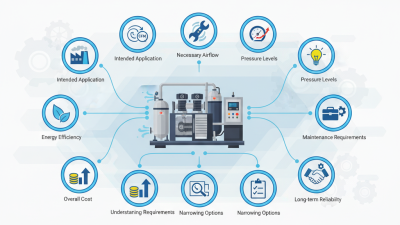
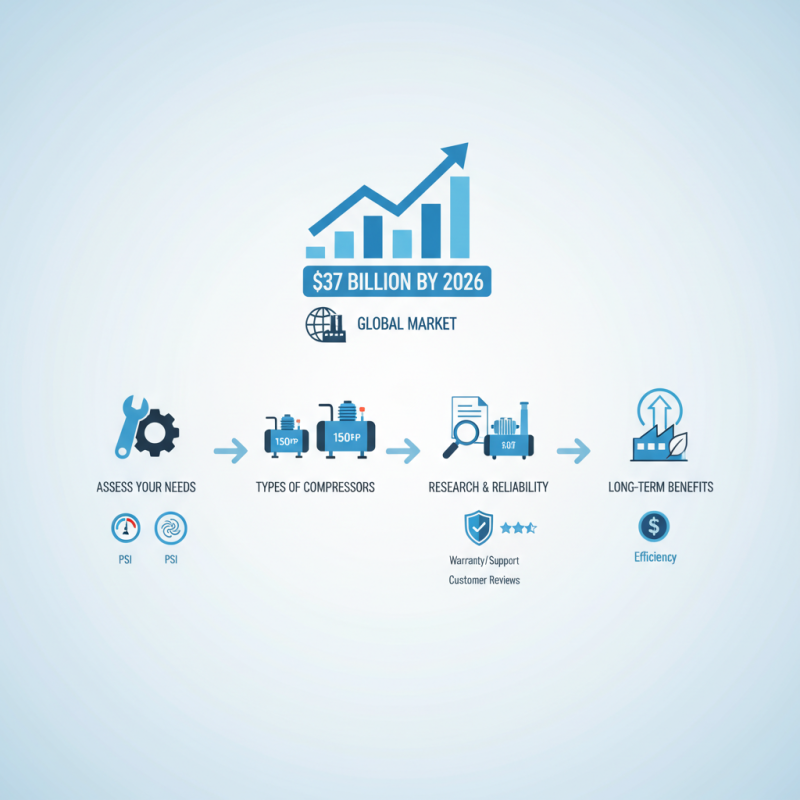
Choosing the right high pressure air compressor can significantly impact your project's efficiency. According to a recent industry report by Bloomberg, the global air compressor market is expected to reach $37 billion by 2026. This growth is driven by increasing automation in various sectors, including manufacturing and construction. Selecting the best compressor is not just about price. It's essential to consider your specific needs, such as pressure requirements and air flow rates.
Different models serve different purposes. For example, a compressor operating at 150 psi may be ideal for small tools, while heavy-duty applications might need higher capacities. The increase in demand reflects the growing reliance on compressed air technology. However, many buyers make the mistake of guessing their needs, which can lead to inefficiencies.
It's essential to conduct thorough research before making a purchase. Look for manufacturers with a good track record. Many compressors come with warranties and support, which adds to their reliability. Ensure to review past customer experiences to gauge performance. Ultimately, an informed decision can lead to long-term benefits for your operations.
Understanding the Basics of High Pressure Air Compressors
When selecting a high pressure air compressor, understanding the basics is crucial. These compressors are designed to provide compressed air at higher pressures than standard models, often exceeding 150 PSI. According to industry reports, the global market for high pressure air compressors is expected to grow significantly, driven by increased demand in various sectors, such as automotive and manufacturing.
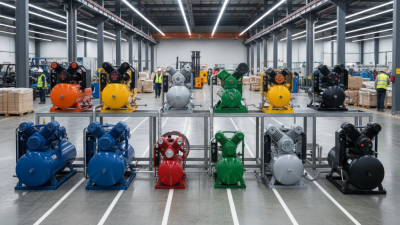
The operational efficiency of high pressure compressors varies based on their design and intended use. For instance, rotary screw compressors are prevalent due to their continuous operation capabilities. They are often favored in industrial settings. Conversely, piston compressors are better suited for smaller applications. Choosing the right type requires careful consideration of your specific needs and project scale.
It’s essential to consider the compressor’s power source. Electric and gas-powered models each have their advantages. Electric compressors are generally quieter and less maintenance-intensive. However, gas-powered units provide better portability. Additionally, a balance between power and mobility is necessary. Assessing these factors can prevent future inefficiencies and operational challenges.
How to Choose the Best High Pressure Air Compressor for You?
| Feature |
Description |
Recommended Specifications |
| Pressure Rating |
The maximum pressure the compressor can produce. |
200-300 PSI |
| Tank Size |
The volume of air the tank can hold. |
5-15 gallons |
| Power Source |
The source of power for the compressor. |
Electric or Gasoline |
| Noise Level |
The sound produced during operation. |
60-80 dB |
| Portability |
Ease of moving the compressor. |
Wheeled or Handheld |
| Maintenance |
Required upkeep to ensure efficiency. |
Regular oil changes and filter replacements |
| Applications |
Common uses for the compressor. |
Spray Painting, Sandblasting, Tire Inflation |
Key Specifications to Consider: PSI, CFM, and Tank Size
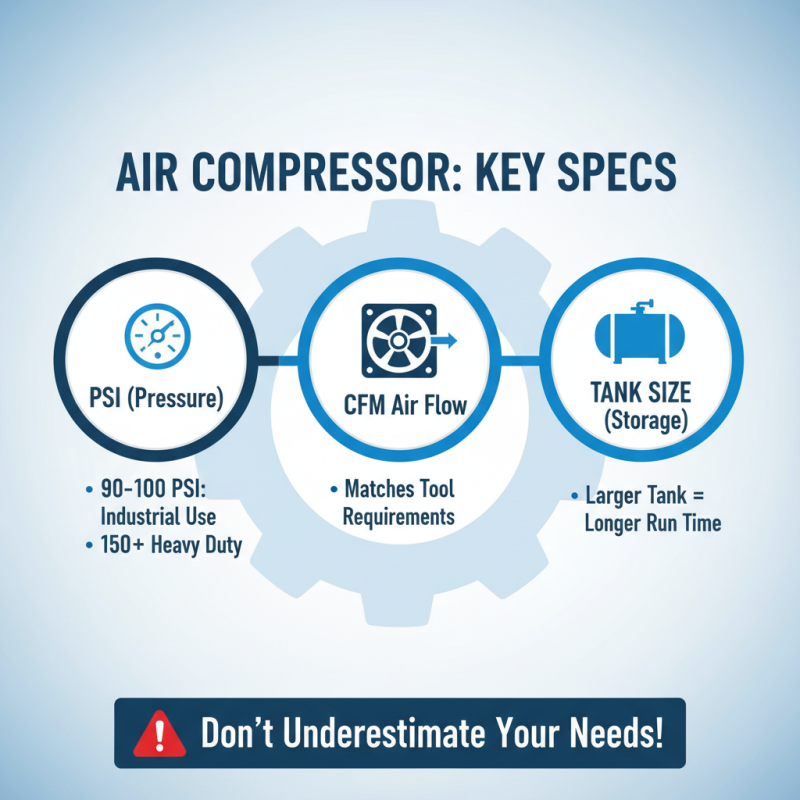
Choosing the right high-pressure air compressor involves understanding essential specifications such as PSI, CFM, and tank size. PSI, or pounds per square inch, indicates how much pressure the compressor can deliver. For industrial applications, a compressor with 90-100 PSI is typical. However, for heavy-duty uses, 150 PSI or more might be necessary. Various reports suggest that many users underestimate their pressure needs, which can lead to insufficient power for tasks.
CFM, or cubic feet per minute, measures the air flow rate. The higher the CFM, the more tools you can operate simultaneously. Many pneumatic tools require at least 4-5 CFM at 90 PSI. Yet, some compressors may not meet these flow requirements. This often leads to poor tool performance and increased downtime. Selecting a compressor with sufficient CFM is crucial for efficient operation.
Tank size also matters significantly. A larger tank can store more air, providing a steady supply for tasks that require high volume over time. Tanks can range from 1 gallon to over 80 gallons, depending on the application. A common misconception is that bigger is always better, but a tank that’s too large can be cumbersome. It’s essential to find a balance between size and portability, aligning with your specific needs.
Types of High Pressure Air Compressors and Their Applications
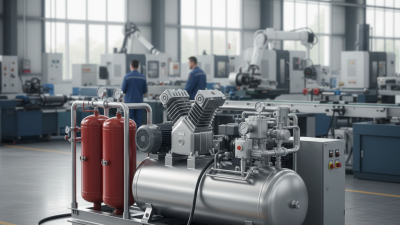
High pressure air compressors come in various types, each tailored for specific applications. Understanding these types can significantly impact your selection process. For industrial purposes, rotary screw compressors are a common choice. They provide continuous air supply for demanding tasks, such as powering pneumatic tools. Their efficiency makes them popular in manufacturing environments. Operating at high speeds, these compressors require regular maintenance for optimal performance.
On the other hand, piston compressors are ideal for smaller tasks or workshops. They offer a straightforward design and are often more affordable. However, they may not sustain heavy workloads like rotary screws. A smaller piston compressor can be perfect for DIY enthusiasts looking to tackle home projects. Portable high pressure air compressors are also available. These models are useful for jobs that require mobility, such as inflating tires or powering hand tools at remote sites.
When choosing the best compressor, consider your specific needs. Evaluate the air pressure requirements and volume of air you need. Reflect on whether portability is essential for your tasks. The right choice may not be the most powerful model, but rather one that aligns with your unique demands. Always prioritize reliability and efficiency to ensure your work proceeds smoothly.
Evaluating Energy Efficiency and Operational Costs
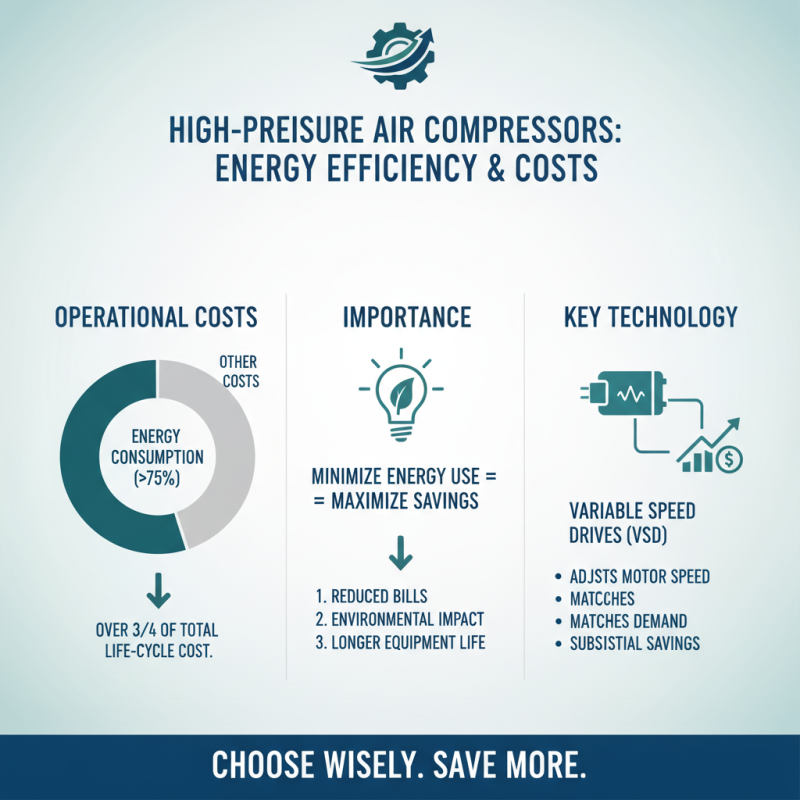
When evaluating the energy efficiency of high-pressure air compressors, operational costs come to the forefront. In fact, over 75% of the total life cycle cost of a compressor may arise from energy consumption alone. This figure highlights the importance of selecting a system designed for minimal energy use. Efficient units often incorporate advanced technology, such as variable speed drives, which can adjust motor speed according to demand, leading to substantial energy savings.
Moreover, consider maintenance costs that can significantly impact overall operations. A comprehensive study indicates that preventive maintenance strategies can reduce downtime by up to 30%. Regular inspections and timely service ensure that compressors operate efficiently, preventing energy losses. It's common for users to overlook the cost implications of neglecting maintenance, which can lead to increased operational expenses over time.
Investigating energy efficiency ratings is crucial. Look for compressors with high ratings that convey their power consumption relative to output capacity. Regulatory bodies suggest that systems achieving these standards not only save energy but can also yield operational cost reductions of around 20% annually. However, users must critically assess both the initial investment and long-term savings to ensure that the compressor chosen aligns with operational goals.
Essential Safety Features in High Pressure Air Compressors
When selecting a high-pressure air compressor, safety features play a crucial role. Many industrial reports indicate that nearly 30% of workplace accidents are related to equipment misuse. This highlights the necessity of choosing compressors equipped with essential safety mechanisms.
One important feature is the automatic shut-off system. This function activates when pressure exceeds a set limit, preventing dangerous over-pressurization. Research from industry safety boards shows that compressors with this feature reduce the risk of equipment failure by up to 40%. Furthermore, built-in pressure gauges offer real-time monitoring, allowing users to ensure they operate within safe parameters.
Another crucial safety aspect is thermal overload protection. High temperatures can lead to catastrophic failures. According to technician surveys, nearly 15% of compressor malfunctions arise from overheating. A reliable thermal protection feature can shut down the unit before damage occurs. These safety features not only protect users but also enhance overall operational efficiency. Investing in well-designed safety elements is key, as overlooking them could lead to regrettable consequences.
Performance Comparison of High Pressure Air Compressors
This chart compares the airflow rate (measured in CFM) and maximum pressure (measured in PSI) of various high pressure air compressors. Understanding these metrics can help you choose the best compressor for your needs, ensuring it meets your performance requirements while also considering essential safety features.