What Are Air Solutions and How Do They Work?

Air solutions are designed to improve indoor air quality, comfort, and safety. They include ventilation systems, air filters, purifiers, dehumidifiers, humidifiers, and smart monitoring devices. Each option addresses a different problem. A filter may capture dust and pollen, while ventilation replaces stale indoor air with cleaner outdoor air. A purifier can target smaller particles, depending on its technology and maintenance.

The process often begins with an assessment of the building. Experienced technicians examine room size, airflow patterns, moisture levels, occupancy, and pollution sources. They may use particle meters, humidity sensors, or visual inspections around vents and filters. These details help determine whether a system should clean, exchange, dry, or condition the air. The right solution depends on the building, not just the product label.

Air solutions work best when their components match the actual problem. A tightly sealed room may need controlled ventilation. A damp basement may require moisture management. An overloaded filter can restrict airflow and increase energy use. Small details matter.

No system is perfect.

Reliable guidance should come from qualified professionals, manufacturer specifications, and recognized indoor-air recommendations. Regular filter replacement and equipment servicing also support consistent performance. Yet real buildings are unpredictable. Doors open, windows leak, and occupants create new pollutants. This guide explores how air solutions function, where they help, and what their limitations may be. It also questions common assumptions, because cleaner air requires more than installing a machine and hoping it works.
What Are Air Solutions and How Do They Work?

Definition and Scope of Air Solutions

Air solutions are planned methods for managing indoor and outdoor air conditions. They include ventilation, filtration, humidity control, monitoring, and airflow design. The goal is not simply “clean air.” It is air that suits a space, its occupants, and its activities. In a clinic, this may mean controlled airflow and careful pressure differences. In a workshop, it may involve capturing dust near its source. This definition keeps the field practical, rather than tied to one device.

The scope reaches from a single room to an entire building. It covers fresh-air supply, exhaust routes, temperature balance, and pollutant control. Sensors can track carbon dioxide, particles, moisture, and pressure changes. However, measurements need context. A low particle reading does not prove comfortable air or effective ventilation. Qualified assessments compare readings with occupancy, building use, maintenance records, and relevant standards. This process supports decisions based on evidence, not attractive claims.

In practice, air professionals inspect grilles, filters, ducts, fans, and control settings. They may find a blocked filter, a noisy fan, or air bypassing its intended path. Small faults can matter. Airflow diagrams rarely tell the whole story. The term “air solutions” is useful, but it remains broad and sometimes vague. Its value depends on clear objectives, verified measurements, skilled maintenance, and honest limits. A system can meet a technical target while still feeling uncomfortable to occupants. That gap deserves closer attention.

Main Types of Air Solutions and Their Applications

Air solutions are systems that control ventilation, particles, moisture, and gases inside buildings. Their applications vary with occupancy, climate, and pollution sources. The World Health Organization’s 2022 Air Quality Database reported that 99% of people lived with air pollution above its recommended particulate-matter guideline. Indoor control is not optional.

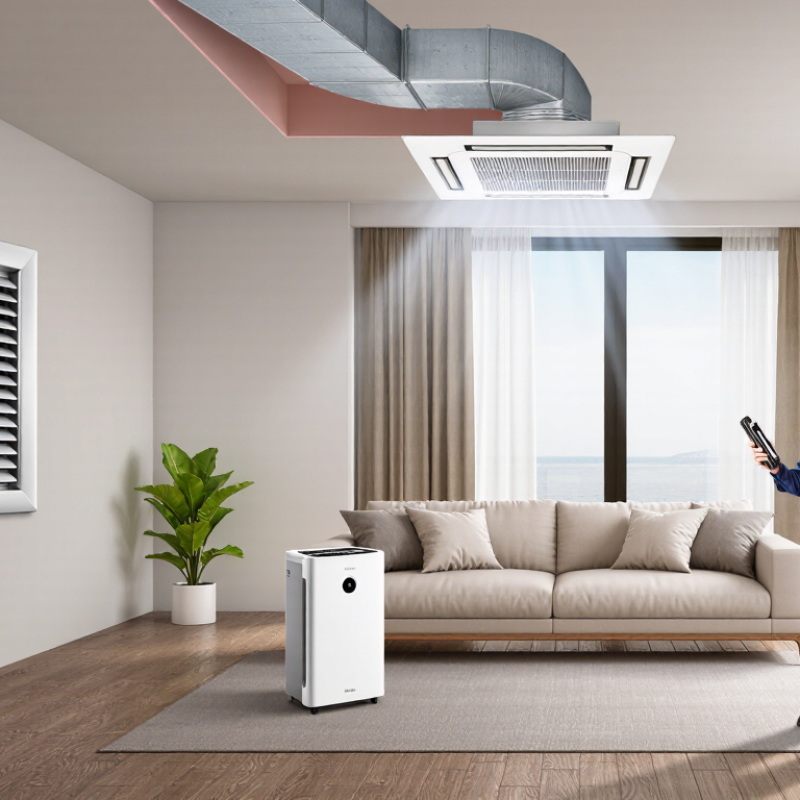
Ventilation systems exchange stale indoor air with outdoor air. They suit offices, schools, hospitals, and crowded homes, especially where carbon dioxide rises quickly. Mechanical filters then trap dust, pollen, and fine particles. High-efficiency filtration works well in clinics and workshops, but restricted filters can reduce airflow and increase fan energy. That trade-off is often overlooked.

Air cleaners use particle filtration, electrostatic capture, or controlled oxidation methods. Their value depends on airflow rate, room size, and maintenance. Portable units can support bedrooms or classrooms, but they cannot replace source control.

The U.S. Environmental Protection Agency reports that indoor pollutant levels may be two to five times higher than outdoors.

Moisture systems address a different problem. Dehumidifiers condense water from humid air, while humidifiers add moisture during dry seasons. Excess humidity can encourage mold; overly dry air can irritate skin and eyes. Field measurements matter.

A sensor may show acceptable carbon dioxide while missing chemical pollutants. That is a weakness worth remembering. Air solutions work best when filters, ducts, drainage, and sensors receive regular inspection.

How Air Solutions Capture, Filter, and Treat Air

Air solutions are systems that manage pollutants, moisture, and airflow inside a building. They capture particles, filter contaminants, and sometimes treat air chemically or biologically. The need is substantial. The World Health Organization reported in 2022 that 99% of the global population breathed air exceeding its guideline limits.

Capture usually starts with airflow movement. A fan draws room air through a pre-filter, which catches larger dust, hair, and fibers. Fine-particle filters work differently. Under test conditions, a certified HEPA filter removes at least 99.97% of particles measuring 0.3 microns. This size is difficult to capture, so performance can improve with larger or smaller particles. Real rooms are less perfect. Leaks, poor sealing, and overloaded filters reduce protection.

Gas treatment requires another approach. Activated carbon adsorbs selected odors and volatile organic compounds, but its capacity eventually becomes exhausted. Ultraviolet germicidal systems can inactivate certain microorganisms when exposure time and intensity are adequate. They are not magic. The U.S. Environmental Protection Agency states that air cleaners may reduce indoor particles, but source control and ventilation remain important. ASHRAE guidance also emphasizes outdoor-air exchange and effective filtration. A useful measure is clean air delivery rate, which combines airflow with removal efficiency. A high rating may still disappoint in a large, crowded room. Maintenance matters. Filters need scheduled replacement, and airflow should be checked, not assumed.

What Are Air Solutions and How Do They Work?

Representative aerodynamic particle sizes that air solutions capture, filter, or treat

Air solutions typically combine capture, filtration, and treatment. Larger particles such as pollen and dust can often be captured by mechanical filters, while smaller particles require higher-efficiency filtration. Gases and odors are treated separately with technologies such as activated carbon. The particle sizes shown are representative ranges, because actual sizes vary by source and composition.

Key Components and Operating Processes

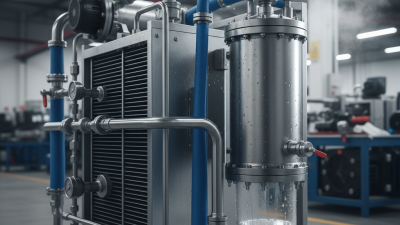
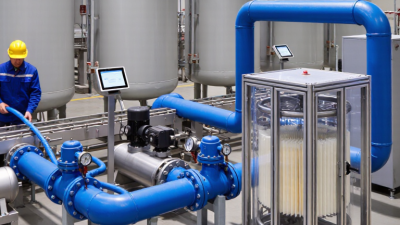
Air solutions combine equipment and controls to manage indoor air quality, temperature, humidity, and movement. Their purpose is practical: remove pollutants, deliver fresh air, and keep rooms comfortable. A typical setup begins with an intake grille, filters, fans, ducts, and supply outlets. Filters capture dust and some airborne particles. Fans create the pressure needed to move air. Ducts guide that air through different zones. Sensors measure temperature, humidity, carbon dioxide, or pressure. Small gaps matter. If a filter sits loosely, unfiltered air may bypass it.

During operation, outside air enters through an intake, while stale air leaves through an exhaust path. The fan creates airflow across the filter and conditioning section. Conditioned air then passes through ducts and reaches occupied spaces. Return air may be filtered and reused, depending on the building’s design. Control systems adjust fan speed, heating, cooling, and ventilation rates. Pressure balance matters. Too much exhaust can pull air through cracks. Too little ventilation can leave rooms feeling heavy. Technicians check airflow with meters, not assumptions.

Reliable performance depends on regular inspection and accurate measurements. Operators replace loaded filters, clean coils, seal damaged ducts, and test sensors. A clean filter can still restrict airflow if it is too dense for the fan. That mistake is easy to miss. Sensors can also drift over time, causing unnecessary heating or ventilation. In practical inspections, small changes often reveal larger problems. Energy use, noise, odors, and uneven temperatures should be reviewed together. A quieter system is not always a healthier one.

Benefits, Limitations, and Selection Considerations

Air solutions are systems that improve indoor air through ventilation, filtration, humidity control, or purification. They work by moving air across filters, exchanging stale air, or treating specific pollutants. A particle filter can capture dust, pollen, and some airborne particles. However, it may not remove gases or reduce carbon dioxide. Ventilation can lower indoor carbon dioxide, but outdoor pollution may enter with the fresh air.

The main benefits include cleaner surfaces, fewer airborne particles, better comfort, and more controlled humidity. These improvements are practical in homes, offices, clinics, and workshops. Results depend on room size, occupancy, airflow, and maintenance. A clogged filter restricts airflow and reduces performance. High-efficiency filtration can also increase fan energy use. Purification technologies may have narrow applications and require careful verification. No system is perfect. I have found that noise and maintenance are often underestimated during real-world selection.

Tips: Measure the room before choosing equipment. Check airflow capacity, filter efficiency, noise levels, energy use, and replacement costs. Select a system that matches the room’s occupancy and pollution sources. Ask for independent test data, not only marketing claims. Place sensors away from windows, doors, and direct airflow. Review filter condition regularly, especially in dusty spaces. A quiet unit may clean more slowly. That trade-off deserves attention.