Top 10 PVC Roofing Solutions for Global Buyers Today?
In the ever-evolving world of construction and roofing, the demand for effective and durable solutions is at an all-time high. This is where Pvc Roofing Solutions come into play. These materials are not only known for their robustness but also for their versatility. Many builders and architects seek PVC roofing due to its exceptional performance in various climates.
PVC roofing solutions have gained recognition globally for their outstanding benefits. They resist harsh weather conditions and offer excellent insulation properties. This material is lightweight, making installation easier and reducing labor costs. Moreover, with advancements in technology, contemporary PVC options also promise enhanced aesthetics.
Buyers must navigate a multitude of choices. It can be overwhelming to select the right option. Each PVC solution has its pros and cons. Therefore, understanding the specific needs of a project is vital. This guide will illuminate the top PVC roofing solutions available today to help global buyers make informed decisions.
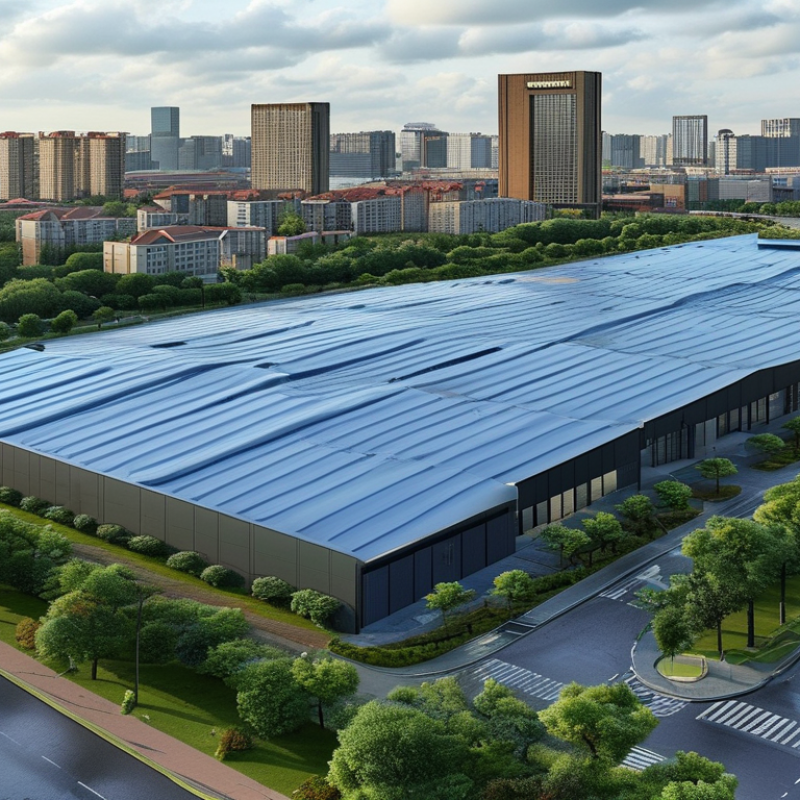
Overview of PVC Roofing Solutions for Global Buyers
PVC roofing solutions are becoming increasingly popular among global buyers. The versatility of PVC materials provides long-lasting protection for various types of structures. According to the National Roofing Contractors Association, PVC roofing systems have a life expectancy of 20 years or more, making them a cost-effective choice. They are particularly resistant to UV rays, weathering, and high winds, which enhances their durability.
As the demand for sustainable building practices rises, PVC roofs also stand out. A report by the EPA states that PVC roofs can be recycled at the end of their life cycle. However, there are concerns about the environmental impact during production. Transparency in sourcing and manufacturing processes is crucial for informed decision-making. It's essential for buyers to ask about certifications and sustainability claims related to PVC roof products.
Many buyers overlook installation methods. Proper installation is vital for maximizing the benefits of PVC roofing systems. Poor installation can lead to leaks and reduce the lifespan of the roof. Buyers should seek experienced contractors familiar with best practices in PVC application. As the market continues to evolve, staying informed about advancements and challenges in PVC roofing can help buyers make better choices.
Key Features and Benefits of PVC Roofing Materials
PVC roofing materials are gaining popularity due to their numerous advantages. They are lightweight yet durable, making them easier to install. Their flexibility allows for adaptation to various roof shapes. This material is also resistant to weather elements, which can lower maintenance costs over time. Many buyers appreciate how PVC roofing often has a longer lifespan than traditional roofing options.
Energy efficiency is another key feature of PVC roofs. They can reflect sunlight, helping to reduce cooling costs. This characteristic contributes positively to sustainability efforts. However, not all PVC materials are created equal, and some may not perform well under extreme conditions. Buyers should pay attention to product specifications to ensure they meet their needs.
In addition, PVC roofing is often UV resistant, preventing degradation from sun exposure. This quality is vital for maintaining aesthetic appeal. It's worth noting that while PVC is recyclable, the process can vary in efficiency. Buyers should consider the environmental impact of disposal as part of their decision-making. Balancing these factors ensures an informed choice that aligns with both performance and sustainability goals.
Top 10 Leading PVC Roofing Brands in the Market
When exploring the landscape of PVC roofing, several leading brands shine through in the market. These brands focus on delivering high-quality materials designed to withstand various weather conditions. Their products often feature advanced technology for durability and energy efficiency, making them popular choices for residential and commercial projects alike.
Each brand reflects a unique approach to PVC roofing. For instance, some prioritize sustainability by offering recycled materials, while others focus on innovative designs that enhance aesthetic appeal. Buyers looking for reliable options can consider factors like warranty, installation support, and ease of maintenance. Clients should also pay attention to the established track record of these brands. Such factors contribute to a reputation for quality and trustworthiness in an industry where reliability is critical.
However, not all products are flawless. Some users report challenges with specific installation techniques and long-term performance. Understanding these potential downsides can guide buyers in making informed decisions. It is essential to research and assess individual needs before committing to a brand. Engaging with user reviews can also provide insights into real-world performance, highlighting the importance of experience and expertise when choosing PVC roofing solutions.
Comparative Analysis of PVC Roofing Types and Their Applications
When exploring PVC roofing types, understanding their unique applications is essential. PVC roofs are well-known for their durability and flexibility. They are used in residential and commercial buildings alike. Some variants are puncture-resistant, while others are UV-resistant. This adaptability makes them suitable for different climates and environments.
Installation methods can vary based on the type of PVC roofing. Mechanically fastened systems are common in commercial spaces. They offer easy replacement and repairs. In contrast, fully adhered systems create a seamless barrier against moisture. However, the complexity of such installations might require skilled professionals.
There are limitations to consider. Not all PVC roofing materials perform equally in extreme weather. Some may warp or discolor under prolonged sun exposure. A thorough evaluation of the environment and building design should precede selection. Buyers should balance cost with long-term reliability. Making an informed choice is crucial for effective roofing solutions.
Factors to Consider When Choosing PVC Roofing Solutions
Choosing the right PVC roofing solution is crucial for longevity and performance. Buyers should consider several key factors. First, the thickness of the membrane is vital. Thicker membranes typically offer better durability and resistance to punctures. Data suggests that membranes with a thickness of 60 mils tend to outperform thinner options, especially in harsh weather conditions.
Another consideration is the type of installation. Mechanically attached systems may be less expensive but potentially more vulnerable to wind uplift. In contrast, fully adhered systems provide a tighter fit and better insulation. A report from the National Roofing Contractors Association indicates that proper installation can increase a roof's lifespan by up to 50%. Understanding the implications of different installation methods is essential for making an informed decision.
Buyers must also assess environmental impact. Many PVC roofing solutions are recyclable, aligning with sustainability goals. However, the production process can be harmful. Balancing performance and eco-friendliness requires careful research. Selecting products certified by reputable standards can enhance trust. Overall, thorough evaluation of thickness, installation type, and sustainability can lead to better decisions in the PVC roofing market.
Top 10 PVC Roofing Solutions for Global Buyers Today
| Solution Type | Thickness (mm) | Weight (kg/m²) | Fire Rating | Warranty (Years) | Cost ($/m²) |
| Single Ply Membrane | 1.2 | 1.5 | Class A | 20 | 5.00 |
| Reinforced PVC | 1.5 | 2.0 | Class B | 15 | 6.50 |
| Elastomeric Coating | 0.8 | 1.0 | Class A | 10 | 4.00 |
| PVC Roofing Tiles | 2.0 | 2.5 | Class B | 25 | 7.00 |
| Insulated PVC Panels | 1.5 | 2.2 | Class A | 20 | 8.50 |
| Green Roof Systems | 1.0 | 1.7 | Class A | 30 | 9.00 |
| Heat-Welded Systems | 1.5 | 2.0 | Class A | 25 | 6.75 |
| Non-Reinforced PVC | 1.0 | 1.3 | Class B | 10 | 4.50 |
| Self-Adhering Membrane | 1.2 | 1.5 | Class A | 15 | 5.50 |