Top Air Compressor Maintenance Tips for Global Buyers?
Air compressor maintenance is crucial for both efficiency and longevity. Many users overlook simple checks that can prevent larger issues. Proper maintenance not only extends the life of the compressor but also saves money in the long run.
After all, air compressors are vital in various industries. They power tools, equipment, and systems. Neglecting their maintenance can lead to performance drops. Regular inspections and timely repairs help maintain optimal functionality. Small leaks, for example, can waste significant energy.
Dedicating time to air compressor maintenance can reveal potential problems before they escalate. This proactive approach protects your investment. Consider keeping a maintenance log to track servicing dates. It may also help to consult professionals for expert advice. Such collaboration can enhance your understanding, ensuring that you follow best practices effectively. By prioritizing air compressor maintenance, you can avoid costly downtime and enhance productivity.
Understanding the Importance of Air Compressor Maintenance
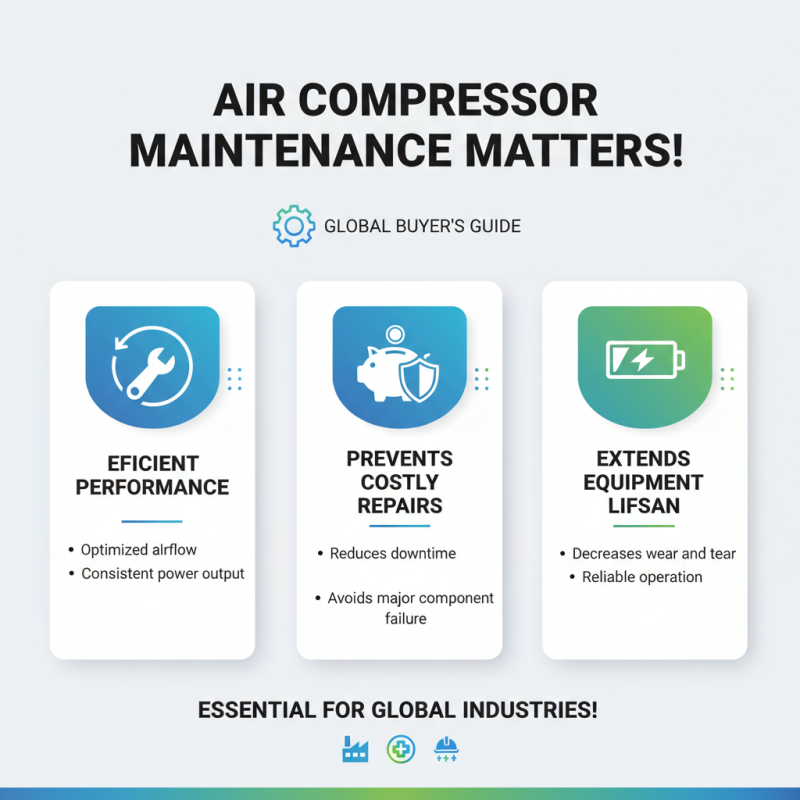
Air compressor maintenance plays a crucial role in ensuring efficient performance. Regular upkeep can prevent costly repairs and extend the lifespan of the equipment. Understanding how to maintain your air compressor is essential for global buyers who rely on these systems in various industries.
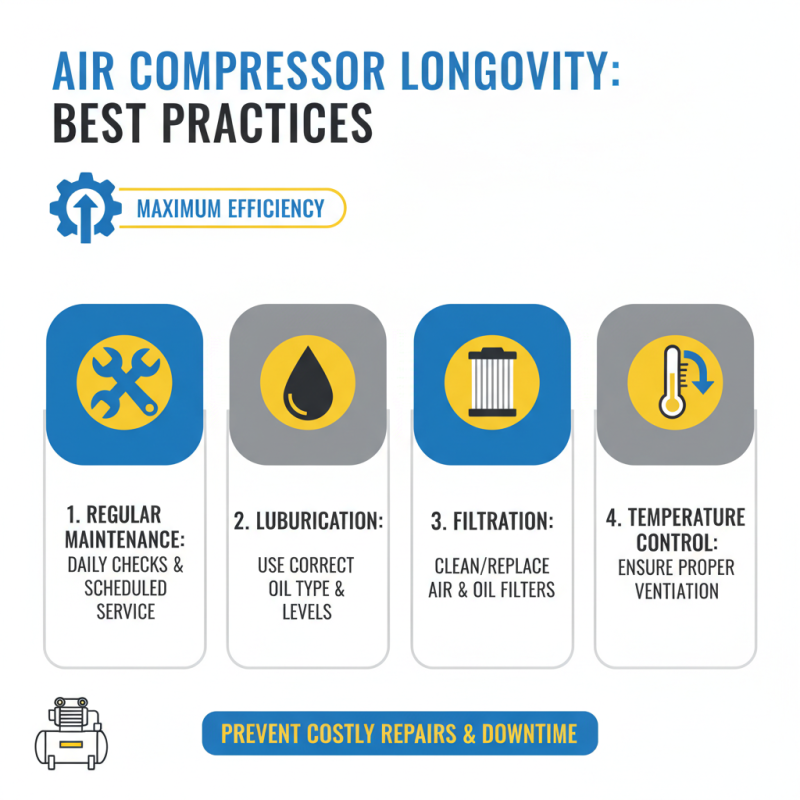
One key maintenance tip is to regularly check the air filter. A clean filter ensures optimal airflow and helps avoid overheating. Inspect it monthly and replace it as needed, particularly in dusty environments. Another important task is to drain the moisture from the tank. This can help prevent rust and corrosion inside the compressor. It's a simple step, but often overlooked.
Don't forget to check the oil levels if your model requires it. Keeping the oil at the proper levels helps lubricate the internal components, minimizing wear and tear. Neglecting this can lead to increased friction and potential failures. Remember, even minor neglect can escalate into significant issues. Regular maintenance not only saves money but also ensures reliability.
Common Issues Faced by Air Compressors and Their Solutions
Air compressors are essential in many industries but face common issues. According to a report by the International Compressor Manufacturer Association, around 30% of compressors fail due to inadequate maintenance. Common problems include overheating, excessive noise, and oil leaks. Each can disrupt operations and increase costs.
Overheating often occurs due to lack of cooling airflow or dirty filters. Ensuring proper ventilation and regular filter cleaning can prevent this issue. Noise can indicate mechanical problems or worn-out parts. Scheduled inspections can help identify and resolve these issues early. Oil leaks often point to worn seals. Regular checks and timely replacements are crucial.
Tips for maintaining air compressors include keeping the unit clean and free from debris. Regular oil changes can also extend the lifespan. Monitor air pressure and amp draw to detect issues early. Lastly, log maintenance activities to track performance trends. Staying proactive about maintenance can significantly minimize failures.
Top Air Compressor Maintenance Tips and Common Issues
Regular Maintenance Schedule: What to Include and When to Perform
Creating a regular maintenance schedule for your air compressor is vital to its longevity and efficiency. Regular checks not only keep it running optimally but also prevent sudden breakdowns. Identify key components that need attention, such as filters and belts. Replacement or cleaning should be performed every month to ensure dust and debris do not accumulate. Keeping a log can help track maintenance activities and remind you of upcoming tasks.
One often overlooked but crucial area is lubrication. Oil levels should be monitored frequently. Low oil can lead to unnecessary wear and tear. Check the oil after every 50 operating hours and replace it based on usage and manufacturer recommendations. It's crucial to use the right oil to avoid damaging components.
Don’t forget to check the air intake filters regularly. Clogged filters restrict airflow, which can lead to overheating. Ideally, clean or replace them every 100 hours. Inspect safety valves too; they play a critical role in preventing pressure buildup, which can be dangerous. Reflecting on these details will enhance your air compressor's performance and safety. Regular maintenance isn’t just a task; it’s a commitment to quality and reliability.
Top Tools and Products for Effective Air Compressor Care
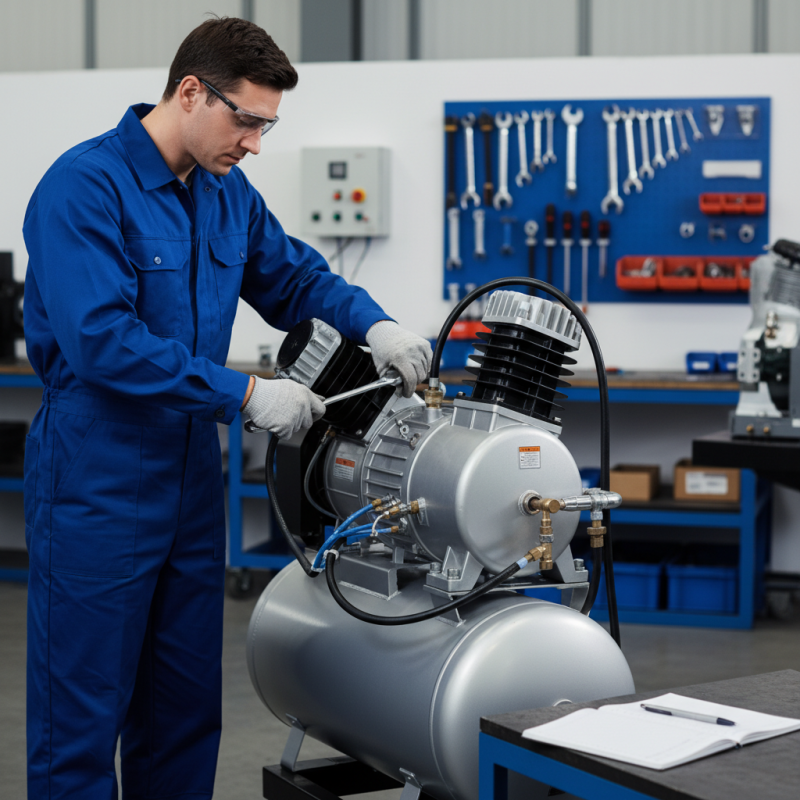
Regular maintenance of air compressors is essential for longevity. Choosing the right tools plays a vital role in effective care. Start with an oil filter wrench. This tool ensures you replace oil filters easily. A proper filter helps maintain air quality. Use a reliable air pressure gauge. Monitoring pressure keeps the compressor running efficiently. Regular checks can prevent extensive damage.
A moisture separator is equally important. It removes water from compressed air, preventing rust and corrosion. Investing in quality hoses can make a big difference. Durable hoses resist wear and tear, improving reliability. Don't overlook safety glasses. They protect your eyes while performing maintenance. Routine inspections extend the lifespan of the equipment.
Mistakes happen during maintenance. Ignoring a small leak can lead to bigger issues. Neglecting timely oil changes can affect performance considerably. Reflect on your practices and learn. Keeping a maintenance log helps track reminders. Employing proper tools makes maintenance manageable. The right approach reduces potential headaches in the long run.