1-800-868-2450
My Account | Cart | Checkout
A 3D golf mat can look convincing in a product photo, yet perform poorly after repeated swings. Buyers comparing Chinese manufacturers should look beyond surface appearance. Turf density, backing strength, stitching, and base stability all affect how a mat feels and how long it lasts. Small details matter.
This guide examines three manufacturers through practical criteria: product range, production capability, quality checks, customization, and communication. A supplier’s website alone cannot confirm consistent performance. Request specifications, clear product photos, and samples where possible. Then inspect the hitting surface, edges, and underside—not just the logo. Golf Mat 3d products vary in pile height and construction, so compare like with like. A dense surface may suit frequent practice, while a portable mat may prioritize lighter weight. Neither choice is automatically better.
That sounds tidy. Real comparisons are less tidy. Public information can be incomplete, and product lines may change. For that reason, any shortlist should be treated as a starting point, not a guarantee. The following overview focuses on manufacturers with relevant product information and useful signals for buyers to verify. It also considers questions worth asking before placing an order, such as how the mat is tested and whether specifications apply to the exact model. Careful checks take time, but they can prevent an attractive sample from becoming a disappointing bulk purchase.
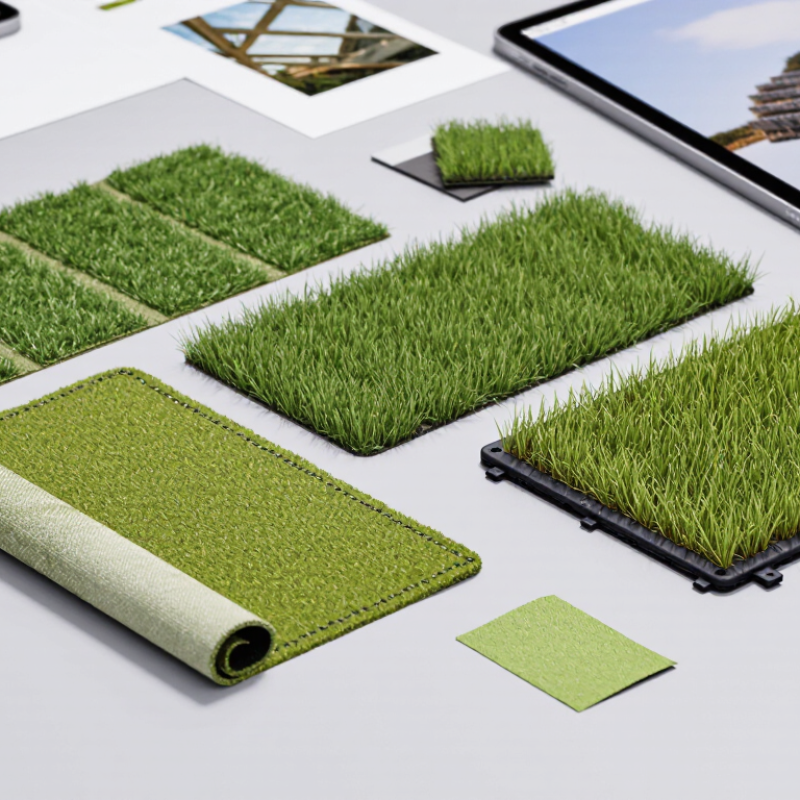
A 3D golf mat is a practice surface built with visible depth and texture, rather than a simple flat sheet of artificial turf. The term is not standardized, though. It may describe layered turf fibers, raised contours, or a mat with distinct hitting and stance zones. Check the product’s construction details before assuming what “3D” means.
A quality mat often combines a dense hitting layer, a shock-absorbing backing, and a stable base. The turf should hold a tee securely and allow a clubhead to pass through without catching sharply. Pressing the surface by hand can reveal whether the fibers spring back or remain flattened. A firm, even base also helps prevent the mat from shifting during a swing. Small details matter.
Some designs add textured lie areas or alignment markings to vary practice conditions. These features can make sessions more realistic, but they cannot fully reproduce natural turf. A very soft surface may feel comfortable while hiding poor contact; a stiff one can send unwanted vibration through the hands. That trade-off is easy to overlook. Buyers should compare thickness, drainage, wear resistance, and replacement options, then consider where the mat will be used. A garage floor and an outdoor practice area place different demands on the backing and surface.
Designing a 3D golf mat starts with its intended use: indoor putting, full swings, or repeated practice with tees. Engineers select turf fibers, pile height, and base materials to balance ball roll with underfoot stability. A layered structure may combine artificial grass, cushioning, and a textured backing. Each layer affects how the mat feels and performs.
Computer-aided design helps define the mat’s dimensions and raised or recessed practice zones. Prototypes reveal details a drawing cannot, such as whether a seam catches a clubhead or a tee sits securely. The first sample is rarely perfect. That gap matters. Manufacturers can adjust fiber density, backing thickness, and bonding methods after hands-on testing. Test swings should cover different clubs and contact points, not just one ideal strike.
During production, quality checks can measure mat thickness, surface consistency, edge finish, and backing adhesion. Inspectors may also check whether the mat stays flat on a hard floor and whether its playing surface recovers after repeated use. These checks are useful, but no single test proves long-term performance. Buyers evaluating Chinese manufacturers can request product specifications, sample units, and documented inspection procedures. Ask how design changes are recorded; small revisions can otherwise be missed between prototype and production.
A supplier-neutral guide to 3D golf mat design and production. A reliable “top three” ranking requires current, independently verified supplier data; the table below outlines the manufacturing capabilities and product checks buyers can compare without relying on brand claims.
| Data Dimension | Design and Manufacturing Details | Useful Specification or Verification |
|---|---|---|
| Mat construction | A golf mat commonly combines an artificial-turf playing surface with a resilient support layer and a base intended to limit movement. A 3D design may use different turf zones, layered materials, or shaped contours. | Request a layer diagram identifying each material, layer thickness, bonding method, and intended use. |
| Turf face | Artificial-turf yarns may use materials such as polyethylene, polypropylene, or nylon. Tufted, woven, and needle-punched constructions are possible; the chosen structure affects feel, durability, and surface appearance. | Compare yarn material, pile height, stitch or tuft density, backing construction, and turf sample consistency. |
| 3D playing surface | Fairway, rough, and teeing areas can be combined to provide different surface textures. Raised or sloped sections may be formed by shaping the base or assembling layers of different thicknesses. | Check a dimensioned drawing or physical sample for zone layout, contour height, slope, and transitions between surfaces. |
| Shock-absorbing layer | Foam or rubber-based layers can be incorporated beneath the turf to provide cushioning and help manage impact. The actual material and construction depend on the product design. | Ask for the material type, thickness, density where specified, and the result of any agreed impact or compression test. |
| Backing and bonding | Turf backing may be coated or laminated to help secure the yarns and join the playing surface to lower layers. Coating and adhesive choices should suit the intended indoor or outdoor application. | Review backing details and request checks for delamination, edge separation, and yarn pull-out using agreed test methods. |
| Cutting and finishing | After the turf and backing are prepared, panels may be cut to the approved outline and finished with bound or stitched edges. Openings or inserts can be added when required by the design. | Confirm finished length, width, thickness, opening positions, edge finish, and dimensional tolerances on the order drawing. |
| Grip and stability | A textured or rubberized underside can help reduce movement on a suitable floor. Performance depends on the base material and the surface on which the mat is placed. | Check underside construction and evaluate slippage on the intended floor type under the agreed use conditions. |
| Production quality control | Inspections can cover incoming materials, surface assembly, bonding, cutting, and finished-product appearance. Sampling frequency and acceptance limits should be agreed between buyer and supplier. | Use a written inspection plan covering dimensions, weight if relevant, color, surface defects, bond integrity, and batch identification. |
| Outdoor-use suitability | Outdoor exposure can involve sunlight, moisture, temperature changes, and dirt. Suitability depends on the turf, backing, adhesives, and base working together. | Request test reports relevant to the intended market and use; confirm cleaning, drainage, storage, and maintenance instructions. |
| Supplier comparison | Manufacturers can be compared by design support, material traceability, process control, customization capability, sample quality, and documented quality procedures. | Compare the same drawing, material requirements, inspection criteria, and sample conditions across suppliers before making a purchasing decision. |
Specifications vary by design and order. Confirm all materials, dimensions, tolerances, test methods, and compliance documents in writing for the specific product and destination market.
Leading 3D Golf Mat Manufacturers in China
Leading 3D golf mat manufacturers in China serve golf facilities, training studios, and home practice setups. Their products may combine textured turf, layered backing, and molded contours to represent fairway or putting surfaces. Quality depends on more than a realistic appearance. Mat thickness, grip, drainage, and resistance to repeated swings all affect daily use. Details matter.
When comparing suppliers, ask how they test turf wear and whether they can provide material specifications or sample pieces. Check stitching, edge finishing, and how the mat behaves on the floor beneath it. A supplier with clear production checks and responsive technical support may be a safer choice than one offering only polished product photos. Still, a careful review can miss problems that appear after months of use; trial samples are not perfect evidence.
Tips: Request a sample and test it with your own clubs and shoes. Check whether the surface shifts during a full swing. Ask for written care instructions and replacement-part options. Compare the finished mat, not just its listed features.
Official golf ball and hole dimensions provide useful reference points when designing golf mats and cup cutouts.
Dimensions are based on the Rules of Golf: a golf ball must be at least 42.67 mm in diameter, and a hole must be at least 107.95 mm in diameter and 101.6 mm deep.
When comparing 3D golf mat manufacturers in China, look beyond the turf’s color and printed appearance. Many mats use nylon or polypropylene fibers, while the backing may combine rubber, EVA foam, or other cushioning layers. Ask for the material specifications and a sample. Press the mat underfoot. Does it spring back, or stay flattened? A neat surface can still hide weak bonding.
Customization matters when the mat must fit a specific practice space. Check available dimensions, turf height, tee-hole placement, and backing thickness. Request a drawing with measurements before production. For quality checks, inspect cut edges, stitched seams, and whether the mat lies flat on a hard floor. Ask how the manufacturer checks fiber recovery and bonding across production batches. These details are useful, though a sample cannot guarantee every bulk order will feel identical. That uncertainty deserves attention.
Tips: Test samples with the same clubs and tees you plan to use. Compare how the surface feels during repeated swings. Ask for written tolerances, not just “custom sizing.” Also clarify packaging and replacement procedures before ordering. Small details matter. A slightly uneven edge may seem minor in a photo, but it can catch a shoe during practice.
A Chinese 3D golf mat supplier should be judged by repeatable performance, not showroom appearance. Ask for a specification sheet covering pile height, fiber material, stitch rate, backing layers, thickness, and weight. Request a sample from a regular production run. Hit from dry and damp surfaces, then check whether fibers recover, seams stay flat, and the base grips concrete. Small differences matter. Ask for abrasion, UV-aging, and dimensional-stability test reports, with the laboratory, method, date, and sample identified. A certificate without traceable test details is weak evidence.
Request records from recent batches, defect limits, inspection photos, and examples of corrective actions. See whether the supplier can explain a failure, not just promise none. The National Golf Foundation’s 2024 Golf Industry Report counted 26.6 million U.S. on-course golfers in 2023. That figure signals a substantial user base, but does not certify mat quality. Treat demand data as context, not proof. Video calls can show machinery, yet cannot replace physical audits or independent testing. Buyers can rush this part.
Tips: Compare samples side by side. Mark a landing zone, hit 50 shots, and photograph wear. Confirm carton dimensions, lead time, replacement terms, and responsibility for retesting if a batch misses specification. Put agreed tolerances in the purchase contract. One awkward detail: the cheapest sample may not match bulk production. No checklist removes uncertainty.
I&M Industrials Inc.
10 Akron Drive
Greenville SC 29605
Phone: 864-277-2450
GSA Number – GS07F0379Y