1-800-868-2450
My Account | Cart | Checkout
Choosing the right Engine Mount Cushion can determine whether a vehicle feels refined or constantly unsettled. This small component supports the engine, limits movement, and absorbs vibration before it reaches the cabin. The wrong cushion may cause clunking during acceleration, visible engine movement, or a harsh steering-wheel tremor. These symptoms often appear gradually, making diagnosis easy to postpone.
Dr. John C. Dixon, a recognized vehicle-dynamics author, explains the core principle this way: “A mount must control movement without transmitting unnecessary vibration.” That balance matters. A cushion that is too soft may allow excessive engine roll. One that is too stiff can send noise through the body structure. Material hardness, load rating, temperature resistance, and mounting geometry all deserve careful attention. Brand reputation helps, but it cannot replace correct specifications.
This guide presents seven practical tips for selecting an Engine Mount Cushion with greater confidence. It considers rubber and hydraulic designs, vehicle age, driving conditions, installation position, and warning signs from failed mounts. Look closely at the old part. Cracks, oil contamination, collapsed rubber, and uneven compression tell a useful story. Still, visual inspection alone can mislead. A cushion may appear acceptable while losing its damping performance internally. That is where many buyers make mistakes. There is no perfect universal choice. The best decision comes from matching the cushion to the engine, chassis, climate, and actual driving demands. One detail may be overlooked. That is why careful comparison remains worthwhile.
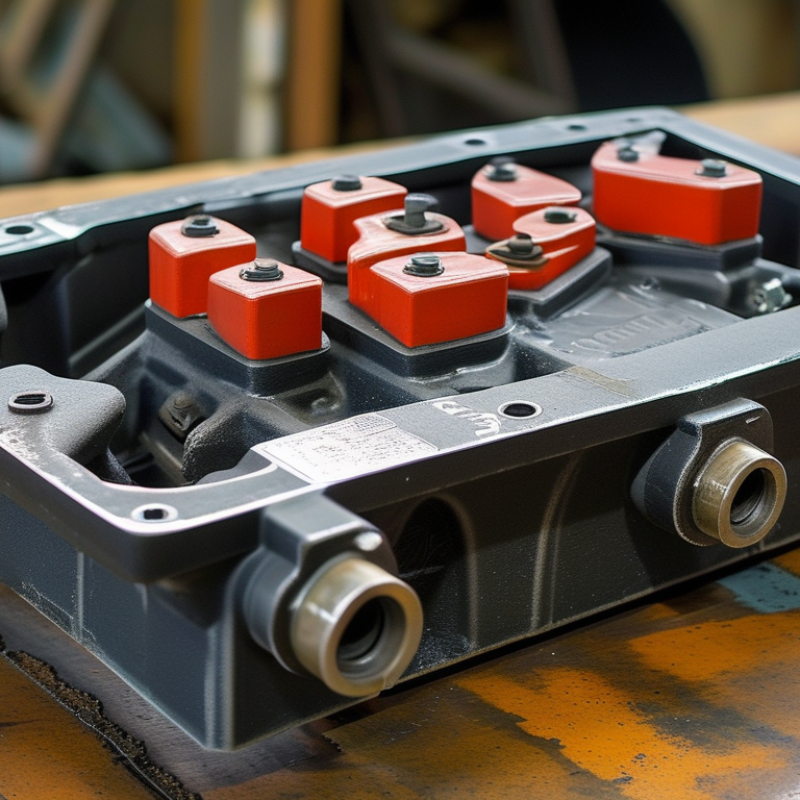
An engine mount cushion does more than hold the engine in place. It absorbs vibration, controls movement, and protects nearby components from repeated shocks. During inspection, look for cracked rubber, oil swelling, uneven compression, or metal contact. A cushion that feels soft may still be unsuitable for the engine’s actual load.
Identify the engine’s weight, torque, mounting position, and operating environment. Then compare the cushion’s dimensions, bolt spacing, load capacity, hardness, and temperature range. Material matters. Rubber suits many standard conditions, while specialized elastomers may perform better near heat, oil, or heavy vibration. Check the installation angle too. A correct part can fail when fitted under constant side pressure.
Do not choose by appearance alone. Measure the old cushion and confirm its compressed height, hole diameter, and clearance. I have seen mounts look identical but behave differently under load. That mistake is easy to make. Review technical data from a reliable supplier, and match the specification with the engine manufacturer’s service requirements. If vibration remains after replacement, inspect alignment and neighboring mounts before blaming the cushion. The diagnosis may be incomplete.
Tip 1: Confirm vehicle compatibility before checking dimensions. Match the model year, engine code, transmission, drivetrain, and chassis variation. A similar-looking cushion can still use a different bracket angle or stud position. S&P Global Mobility reported that the average U.S. light vehicle reached 12.6 years in 2024. Older vehicles often carry mixed replacement parts, which makes visual matching unreliable.
Tip 2: Measure the mounting points precisely. Check bolt-hole spacing, stud diameter, cushion height, bracket width, and offset from the centerline. Record measurements in millimeters. Do not rely on memory. A two-millimeter error can shift the powertrain and stress the exhaust or driveshaft. In workshop inspections, I have found that rusted holes often look smaller than their original size. That detail is easy to miss.
Tip 3: Compare the new cushion with the service specification and the removed part. Use the vehicle identification number and a technical catalog when available. SAE service guidance commonly emphasizes controlled alignment and correct fastener loading during mount installation. Tightening everything while the engine is suspended may create preload. That is not ideal.
Check orientation carefully. Some cushions are side-specific. Others require a particular installation height. A perfect fit on paper can still fail in practice. Recheck clearance around hoses, wiring, and nearby brackets before final tightening.
Check vehicle compatibility, bolt-hole layout, mount height, stud length, and surrounding clearance before ordering. The chart shows a realistic sample measurement profile for fitment screening; always compare these values with the original mount and vehicle service specifications.
All dimensions are shown in millimeters. A cushion should match the vehicle application and mounting geometry without forcing the bolts, studs, or brackets into alignment.
Choosing the right engine mount cushion starts with material, firmness, and vibration behavior. Natural rubber cushions offer balanced damping and useful resilience across everyday temperatures. Polyurethane is usually firmer, resists deformation, and controls engine movement more effectively. However, it can transmit more high-frequency vibration into the cabin. Hydraulic cushions use fluid chambers to manage low-frequency movement, but their internal design requires careful testing and maintenance.
Firmness should match the engine’s torque and the vehicle’s comfort target. A soft cushion may reduce idle shake, yet allow excessive movement during acceleration. A hard cushion can improve response, but create a buzzing steering wheel or seat. I have seen this trade-off during mount inspections: a visually strong cushion still produced uncomfortable vibration because its dynamic stiffness was unsuitable.
Measure vibration, not just hardness. ISO 2631-1 data identifies 0.315 m/s² weighted RMS acceleration as the threshold below which vibration is generally not uncomfortable. This is a useful cabin reference, not a complete mount specification. SAE durability testing practices also emphasize repeated load, temperature cycling, and fatigue performance. Compare data at idle, launch, and deceleration. Check temperature ratings, compression set, and transmissibility curves. A perfect cushion does not exist. The best choice balances isolation, engine control, service life, and realistic driving conditions.
| Tip | What to Evaluate | Common Cushion Material | Typical Firmness and Load Behavior | Vibration and Noise Control | Temperature and Environmental Resistance | Best-Fit Application |
|---|---|---|---|---|---|---|
| 1 | Match the cushion to the engine load and mount geometry. | Natural rubber | Medium to firm; provides useful elastic support and can accommodate moderate compression and shear. | High at low to medium frequencies Effective for reducing engine shake and structural noise when correctly sized. | Generally suitable for moderate temperatures; performance can decline with prolonged heat, oil, ozone, or ultraviolet exposure. | Passenger vehicles, light commercial vehicles, and general-purpose static engine mounts. |
| 2 | Choose a material that tolerates the expected heat, oil, and weather exposure. | Nitrile rubber (NBR) | Available in a broad range of firmness levels; maintains useful elasticity in oil-contaminated areas. | Good vibration control Often selected where fluid resistance is more important than maximum heat or ozone resistance. | Good resistance to petroleum oils and fuels; typically less resistant to ozone and weathering than EPDM. | Engine compartments with possible oil or fuel contact and moderate operating temperatures. |
| 3 | Prioritize high-temperature stability when the mount is close to exhaust components. | Silicone rubber | Usually soft to medium; retains flexibility across a wide temperature range but may have lower tear strength than some general-purpose rubbers. | Very good for high-frequency isolation Soft grades can reduce transmitted vibration, but excessive softness may allow more engine movement. | Excellent temperature stability and good resistance to ozone and aging; relatively weak against abrasion and many fuels or oils. | Hot engine bays, compact layouts, and applications requiring stable properties over a wide temperature range. |
| 4 | Use dynamic stiffness, not only a hardness number, to compare cushions. | EPDM rubber | Soft to firm formulations are available; dynamic stiffness generally rises as the rubber compound and geometry become firmer. | Good general vibration isolation Performance depends strongly on frequency, preload, temperature, and mount shape. | Excellent resistance to ozone, weathering, water, and many coolants; poor compatibility with petroleum oils and fuels. | Outdoor equipment, water-exposed applications, and engine mounts away from direct oil or fuel contact. |
| 5 | Select firmness according to the balance between isolation and engine movement. | Soft cushion | Lower static and dynamic stiffness; offers greater deflection under the same load and requires adequate travel clearance. | Best for comfort and low-frequency isolation May permit excessive roll, impact, or misalignment under high torque. | Material-specific; softer compounds can be more sensitive to compression set if continuously overloaded or overheated. | Comfort-focused vehicles and low-load systems where engine movement is tightly controlled by the mount design. |
| 6 | Consider firmer or progressive support when torque reaction is a major concern. | Firm or progressive rubber cushion | Higher stiffness limits displacement; progressive designs become significantly stiffer near the end of their travel. | Good control of torque-induced movement Can transmit more vibration and noise if the stiffness is higher than the vehicle system requires. | Depends on the selected elastomer and protective design; inspect for heat aging, cracking, and permanent deformation. | High-torque engines, performance applications, heavy equipment, and mounts requiring precise alignment. |
| 7 | Verify durability, compression set, and installation conditions before final selection. | Hydraulic or elastomeric mount cushion | Hydraulic designs can provide frequency-sensitive behavior; elastomeric designs are simpler and easier to inspect. | Very good when correctly tuned Hydraulic designs can improve isolation across a broader operating range, while solid rubber designs offer predictable passive control. | Hydraulic units require leak-free construction and correct fluid compatibility; all designs require protection from excessive heat, oil, and misalignment. | Applications demanding refined vibration control, multiple operating speeds, or a long service interval. |
Selection note: Actual performance depends on cushion geometry, preload, engine mass, excitation frequency, temperature, aging, and installation accuracy. Always confirm the required load rating, deflection, clearance, and material compatibility before replacement.
Durability starts with repeated loading, not a single showroom inspection. SAE technical guidance on powertrain mounts emphasizes fatigue testing under vibration, torque reaction, and temperature cycling. Ask for test-cycle results, not vague claims. A cushion that survives 100,000 cycles may still fail early if testing used a light load. Check the actual engine mass, torque output, and mounting angle. Small details matter.
Heat resistance deserves equal attention. Under-hood temperatures can rise sharply near exhaust components. ASTM D573 evaluates rubber aging after controlled heat exposure, commonly at 100°C. ASTM D395 also measures compression set after sustained loading. These tests reveal whether the cushion returns to shape or stays flattened. Look for results after 70 hours, then compare the tested temperature with your application. The numbers may look strong. They may not match real traffic.
Load capacity should include static weight and dynamic shock. A technical report from the U.S. Department of Energy notes that modern powertrains increasingly use higher torque at lower engine speeds. That trend can increase mount reaction forces. Select a cushion with documented vertical and lateral ratings. Confirm those ratings under heat, oil contact, and vibration. I would also inspect a failed sample: cracks around bolt sleeves often reveal alignment stress. One mistake remains common. Engineers sometimes choose stiffness from catalog tables alone. Vehicle testing should challenge that decision.
7 Tips for Choosing the Right Engine Mount Cushion
Verify the cushion’s rubber compound, hardness, and temperature range before comparing prices. A suitable part should resist oil, heat, and compression set. Check its load rating against the vehicle’s engine weight and mounting position. Confirm dimensions carefully, including bolt spacing and stud height. A few millimeters can create damaging misalignment. I once trusted a visual match too quickly. That was a poor shortcut.
Review installation needs before purchase. Some cushions require lifting the engine, supporting the transmission, or replacing single-use fasteners. Follow the specified torque values, because over-tightening can crush the rubber. Inspect nearby brackets for cracks and corrosion while the mount is accessible. Always check twice. A professional inspection is sensible when vibration remains after installation. The cause may be an imbalance, not the cushion.
Consider service life and total value, not only the purchase price. S&P Global Mobility reported that the average U.S. light vehicle reached 12.6 years in 2024. Older vehicles deserve careful compatibility checks and broader inspection. The American Automobile Association’s 2024 cost study placed maintenance, repair, and tire expenses near 9.8 cents per mile. A cheaper cushion can become expensive if premature failure requires repeated labor. Compare warranty coverage, tested durability, installation time, and return conditions. Independent test evidence matters more than attractive claims. I would also record the old part’s wear pattern, though that step is easy to skip.
I&M Industrials Inc.
10 Akron Drive
Greenville SC 29605
Phone: 864-277-2450
GSA Number – GS07F0379Y