1-800-868-2450
My Account | Cart | Checkout
In global trade, three letters can change a buying decision. OBD may mean On-Board Diagnostics, especially when suppliers discuss vehicles, electronic modules, scanners, or replacement parts. In other logistics documents, it can describe a delivery process or an internal company term. The meaning depends on the product, document, and transport workflow. That uncertainty matters.
This guide explores Obd Meaning Logistics for global buyers. It explains how to confirm the abbreviation before approving a quotation, purchase order, or shipment plan. A practical check begins with the product description. Is the item a diagnostic device, a vehicle component, or a delivery service? Then review the specification sheet, packaging label, invoice, and transport instructions. One mismatch can delay customs review, warehouse receiving, or technical inspection.
Dr. Chris Caplice, a respected freight and supply-chain researcher, offers a useful principle: “Better decisions begin with better data.” That idea fits OBD purchasing closely. Buyers need clear model numbers, supported vehicle systems, testing standards, warranty terms, and delivery responsibilities. They should also ask who owns the data and who handles technical support after arrival. Small details matter. A barcode photographed beside the carton can prevent confusion later.
The seven tips ahead focus on verification, supplier communication, documentation, shipment visibility, and total landed cost. They also acknowledge an uncomfortable reality: buyers sometimes trust familiar abbreviations too quickly. That habit deserves reflection. OBD is not automatically a universal logistics term, and confident assumptions can create expensive errors. Clear questions are safer than fast guesses.
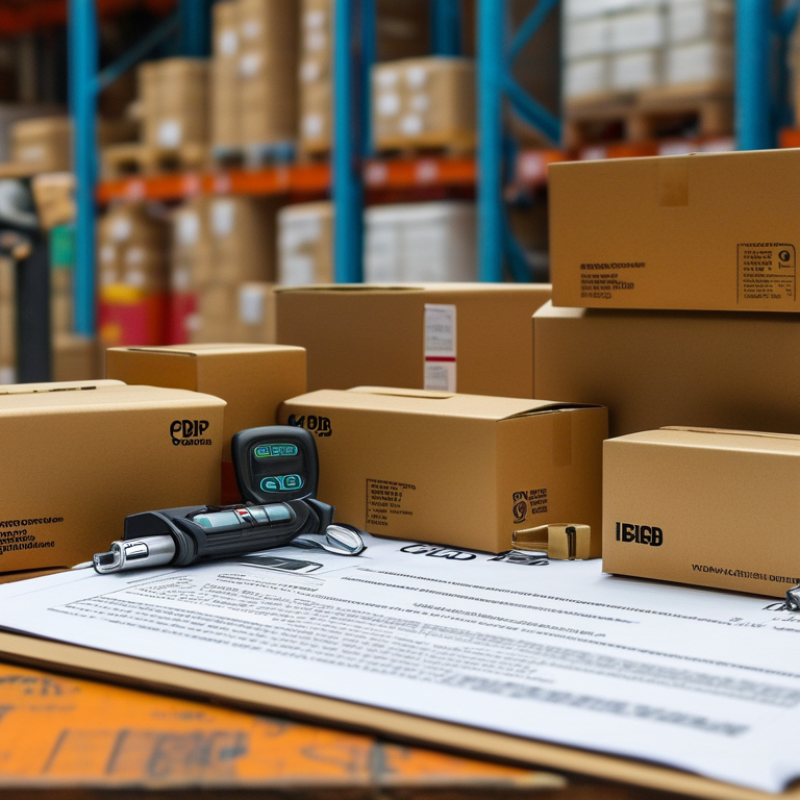
In logistics, OBD does not have one universal meaning. It commonly refers to outbound delivery in warehouse systems. In ocean shipping conversations, some teams use it for the on-board date. That date shows when cargo is expected to be loaded onto a vessel. The difference matters. A delivery record tracks movement from a facility. An on-board date tracks a transport milestone. Never rely on the acronym alone. Ask the supplier to define it in writing.
For global buyers, seven checks reduce avoidable confusion. Confirm the exact OBD definition. Request the planned date and time zone. Check whether the date is estimated or confirmed. Match it against the purchase order. Ask which document proves the milestone. Review the port, vessel, and container references. Set a clear update deadline for delays. A screenshot may help, but it is not always sufficient evidence. A dated transport document usually gives stronger visibility.
Use a simple timeline for each shipment. For example, a factory may record outbound delivery on Monday, while the carrier reports vessel loading on Thursday. Both records can be accurate. They describe different events. This is where buyers often make a costly assumption. I would treat an undefined OBD as an open issue, not a confirmed commitment. Keep names, dates, time zones, and document references together. That small habit improves handoffs between purchasing, freight, and receiving teams.
OBD commonly means On Board Date—the date when cargo is loaded onto the named vessel. For global buyers, this date affects shipping-document compliance, letter-of-credit presentation deadlines, cargo insurance timing, and shipment tracking.
The chart summarizes factual document controls commonly checked under UCP 600 Article 20. A bill of lading should evidence shipment on board, identify the carrier and vessel, show the loading and discharge ports, and be appropriately signed. Under UCP 600 Article 14(c), documents are generally presented within 21 calendar days after shipment unless the credit specifies otherwise, and always before its expiry date.
OBD usually means On Board Date in international shipping. It is the date cargo is physically loaded onto the vessel, not the booking date or warehouse dispatch date. This distinction matters when buyers track production schedules, payment terms, and delivery promises.
The process begins when a carrier confirms space for the shipment. The supplier then prepares the cargo, completes export procedures, and sends the container to the port. After the container passes terminal checks, workers load it onto the planned vessel. The carrier records the OBD and may reflect it on the bill of lading. Check the date carefully. A vessel departure estimate can change because of port congestion, weather, or equipment shortages. Ask for the vessel name, voyage number, loading port, and document issue date. These details make the milestone easier to verify.
OBD also affects the rest of the shipping timeline. Buyers can compare it with the agreed lead time and calculate a realistic arrival window. Keep the time zone clear, especially when teams work across continents. A one-day difference can create confusion around payment deadlines. In practice, documents sometimes show different dates. I have found that a quick reconciliation prevents larger delays. Request updates when cargo is gated in, loaded, transshipped, and discharged. Leave buffer time for customs and inland delivery. OBD is useful, but it is not a guarantee of final delivery.
OBD usually means Outbound Delivery, a document created when goods leave the seller’s warehouse. It connects the purchase order, shipment details, and delivery plan. Terminology can vary, so confirm the meaning with your logistics provider. Check the OBD number, buyer reference, product codes, quantities, weight, and destination. A small quantity error can delay customs clearance.
Use seven practical checks before approving shipment.
Paperwork is not exciting, but missing fields create expensive questions.
Track delivery milestones in a shared schedule:
Ask when each event is recorded and who verifies it. A scan may show movement, not physical loading. An “arrived” status may mean the terminal received cargo, not your warehouse.
I have seen clean records hide incorrect carton labels, so sample-check the physical shipment. Leave room for review.
Logistics data is useful, but it is not always perfect.
In logistics, OBD usually means Outbound Delivery. It records what leaves the seller’s facility, when it ships, and where it goes. For global buyers, accurate OBD data can prevent customs delays, receiving errors, and unexpected storage charges.
Tip 1: Match the OBD with your purchase order. Check product codes, quantities, and agreed delivery terms. Tip 2: Confirm the ship-from location. Different warehouses may create different transit times. Tip 3: Review package details carefully. Carton counts, weights, and dimensions must match the physical shipment. Small errors cause large problems. Tip 4: Request the OBD before dispatch. This gives your broker and warehouse time to prepare. Tip 5: Compare the OBD with commercial documents. Names, values, and descriptions should remain consistent. Tip 6: Track status changes promptly. A blocked, incomplete, or delayed OBD needs immediate attention.
Tip 7: Keep an audit record. Save approved versions, shipment dates, and communication notes. This supports reliable reconciliation later. In my logistics experience, buyers often focus on transport rates first. They notice document quality only after a shipment is held. That approach is understandable, but incomplete. I once saw a delivery delayed because the carton quantity had not been updated after repacking. The correction was simple, yet the warehouse lost valuable time. OBD workflows also vary by supplier and system, so buyers should confirm field meanings instead of assuming every platform works alike. A short pre-dispatch checklist is usually more useful than a long investigation afterward.
OBD usually means On Board Date: the date when cargo is confirmed as loaded onto the planned vessel, aircraft, or other transport service.
| No. | Practical OBD Tip | What Global Buyers Should Check | Key Data or Document | Suggested Control Point | Main Risk Reduced |
|---|---|---|---|---|---|
| 1 | Define OBD correctly | Treat OBD as the actual loading date, not the booking date, cargo-ready date, or estimated departure date. | Booking confirmation, transport milestone record, bill of lading or air waybill. | Record both the planned OBD and the actual OBD, including the time zone used. | Misstated delivery promises and inaccurate inventory planning. |
| 2 | Separate planned and actual dates | Compare the original planned OBD with the confirmed loading milestone after departure. | Purchase order schedule, booking record, carrier milestone update, and final transport document. | Flag any variance greater than 1 calendar day for review on time-sensitive shipments. | Hidden delays between supplier dispatch and carrier loading. |
| 3 | Verify the shipment milestone | Confirm that the cargo was physically loaded and that the transport reference matches the shipment. | Container or package number, seal number where applicable, transport reference, and loading confirmation. | Match the shipment reference, quantity, route, and OBD across supplier and logistics records. | Unloaded, rolled, short-shipped, or incorrectly reported cargo. |
| 4 | Track the full date chain | Review cargo-ready date, pickup date, terminal cut-off, OBD, estimated arrival, and final delivery date together. | Shipment timeline or logistics dashboard with planned, actual, and revised milestones. | Update the timeline whenever a milestone changes and preserve the previous estimate for performance analysis. | Incomplete root-cause analysis and unreliable arrival forecasts. |
| 5 | Check the transport document | Confirm that the transport document reflects the correct shipper, consignee, cargo description, quantity, route, and loading information. | Bill of lading for ocean freight, air waybill for air freight, or the applicable transport document. | Complete document review before customs filing, payment release, or cargo insurance submission. | Customs delays, document amendments, cargo release problems, and payment disputes. |
| 6 | Connect OBD with inventory planning | Use actual OBD together with transit time, customs lead time, safety stock, and the required arrival date. | Demand forecast, available inventory, transit-time estimate, customs lead time, and reorder point. | Recalculate the expected arrival date whenever actual OBD differs from the plan. | Stockouts, emergency freight, production interruptions, and excess safety stock. |
| 7 | Measure OBD performance | Evaluate whether shipments were loaded on time and identify recurring delays by route, supplier, mode, or season. | On-time OBD rate, average OBD variance, delay frequency, and documented delay reason. | Review monthly: on-time OBD rate = shipments meeting the agreed OBD ÷ total shipped orders × 100%. | Repeated schedule failures, weak supplier coordination, and avoidable logistics costs. |
OBD usually means On Board Date, the date cargo is loaded onto a vessel. It differs from the booking date, cargo-receipt date, and estimated departure date. A supplier may show “OBD: 12 June” while the container remains at the terminal. That small difference can affect payment terms, insurance, and delivery commitments.
Common OBD risks include rolled bookings, late gate-in, incorrect time zones, and documents issued before loading. The World Bank’s Logistics Performance Index 2023 found that only about 60% of shipments reached destinations within the expected time. Sea freight carries over 80% of global merchandise trade by volume, according to UNCTAD’s Review of Maritime Transport 2023. Delays can therefore spread across factories, ports, and warehouses.
Buyers should request the carrier’s loading confirmation, vessel name, voyage number, and container seal record. Compare these details with the bill of lading and terminal event history. Do not rely on a screenshot alone. Set a written OBD tolerance, such as 24 or 48 hours, before approving payment. Keep every timestamp in UTC or clearly state the local time zone. A second review can catch simple errors. Still, OBD is not proof of an on-time arrival. Weather, congestion, and vessel changes remain outside the buyer’s control. My own view is imperfect here: even a careful checklist cannot replace direct carrier verification.
I&M Industrials Inc.
10 Akron Drive
Greenville SC 29605
Phone: 864-277-2450
GSA Number – GS07F0379Y