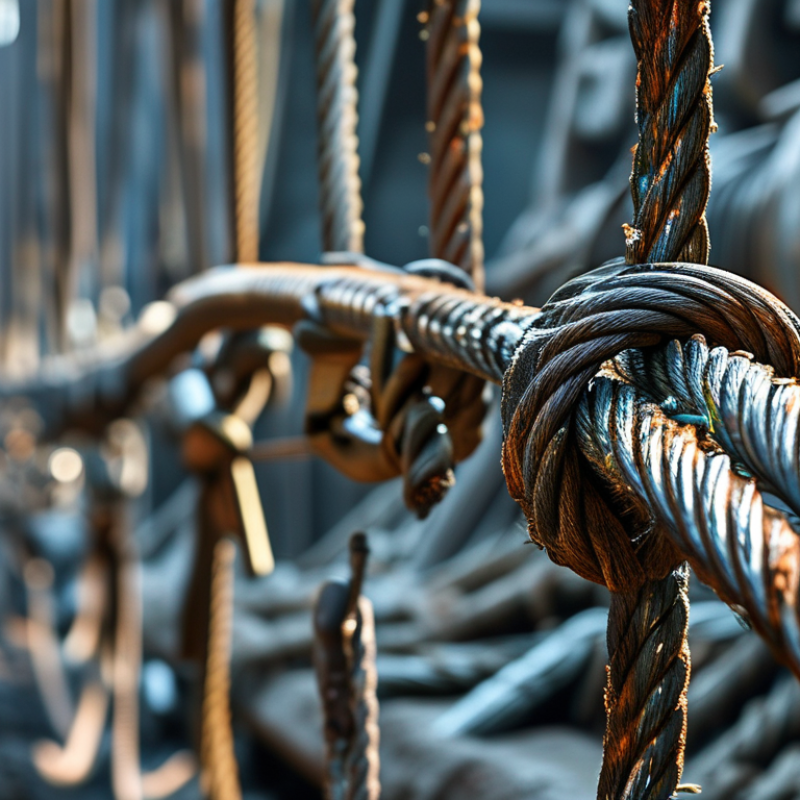
What is Mining Steel Wire Rope and Its Applications?
Mining Steel Wire Rope is a critical component in various industries. It is used primarily in mining operations but extends to construction and heavy lifting applications. The strength and durability of these ropes make them essential for transporting heavy loads.
In mining, these ropes endure extreme conditions, including weight and tension. They ensure safety and efficiency when moving machinery and materials. Choosing the right Mining Steel Wire Rope can affect productivity. Not all ropes are created equal; some may fail under pressure.
Understanding the specifications of these ropes is vital. Users must consider load capacity, environmental factors, and maintenance requirements. A well-informed choice can lead to improved safety standards. However, many overlook the importance of quality. This often results in crucial mistakes that can be avoided with better education.
What is Mining Steel Wire Rope?
Mining steel wire rope is a vital component in various industrial applications. This type of rope is constructed with high-strength steel wires, providing exceptional durability and tensile strength. Its primary purpose is to lift heavy loads and withstand harsh mining conditions. The uniform design allows for efficient handling and movement of materials in an underground environment.
The use of mining steel wire rope extends beyond just lifting. It's a key element in conveyor systems, hauling equipment, and hoisting machinery. These ropes are designed to resist abrasion and fatigue, making them suitable for continuous operation. However, they require regular inspection to ensure safety and reliability. There can be wear and tear that may not be easily visible.
Despite its robust nature, mining steel wire rope can fail under extreme pressure if not properly maintained. Operators need to be educated on safe practices. This includes conducting routine checks and understanding load limits. Poor maintenance choices can lead to accidents. A proactive approach can enhance safety and performance, ensuring the longevity of this critical mining resource.
Mining Steel Wire Rope Applications and Strength
This chart illustrates the load capacity of mining steel wire ropes across various applications. Mining applications require robust ropes capable of withstanding significant loads, with mining itself showcasing the highest capacity at 20 tons, followed by construction and industrial uses.
Composition and Manufacturing Process of Steel Wire Rope
Steel wire ropes are essential in various industries, particularly in construction, mining, and marine applications. Their strength and durability are crucial for safety and efficiency. The manufacturing process of steel wire rope is intricate, requiring a precise blend of materials and techniques to ensure high performance.
Typically, steel wire ropes consist of numerous wire strands twisted together. The core might be made of steel or natural fibers, affecting flexibility and strength. Each wire is meticulously drawn to achieve the desired diameter and tensile strength. During production, the wires undergo processes like cold drawing and annealing, enhancing their properties. The formation of the rope involves twisting strands around a core, which adds structural integrity.
Quality control is key throughout this process. Flaws can compromise safety, leading to accidents. Regular testing for tensile strength and flexibility is essential. Despite advancements, some manufacturers may overlook these checks, resulting in substandard products. This highlights the need for vigilance in quality assurance. Understanding the manufacturing intricacies of steel wire rope allows for better application and safety practices in various sectors.
What is Mining Steel Wire Rope and Its Applications? - Composition and Manufacturing Process of Steel Wire Rope
| Property | Description |
| Material Composition | Typically composed of high carbon steel wires. |
| Manufacturing Process | Involves wire drawing, stranding, and lubrication. |
| Diameter Range | Typically ranges from 6 mm to 40 mm. |
| Breaking Strength | Can exceed 200 kN depending on the construction and diameter. |
| Common Applications | Used in mining, construction, and material handling. |
| Surface Treatment | Galvanized, painted, or coated for corrosion resistance. |
| Flexibility and Bend Radius | Designed to be flexible with a minimum bend radius for safety. |
| Maintenance Needs | Requires regular inspection and lubrication to prevent wear. |
Key Characteristics and Advantages of Mining Steel Wire Rope
Mining steel wire rope is essential in various industries, especially mining and construction. Its key characteristics include high tensile strength, flexibility, and durability. These features make it capable of enduring heavy loads and harsh environments.
One significant advantage of mining steel wire rope is its resistance to wear and corrosion. This durability ensures a longer lifespan, reducing the frequency of replacements. Operators often report fewer breakdowns, leading to increased productivity. Furthermore, this type of rope offers excellent shock absorption, which is vital in applications where sudden loads may occur.
Tips: Ensure regular inspections of the wire rope to identify any signs of wear or damage. Proper lubrication can also enhance the rope's lifespan. When selecting a wire rope, consider factors like load capacity and environmental conditions. Understanding these elements can help in making informed decisions.
However, it's crucial to recognize potential drawbacks. Heavy-duty tasks can introduce stress on the wire rope. Misjudgment in load limits may lead to failures. It's important for operators to be trained and vigilant. Regular training can empower staff in managing these risks effectively.
Common Applications in Mining Operations
Mining steel wire ropes are essential components in various mining operations. They are designed for heavy lifting, transport, and support. According to industry reports, over 70% of mining operations globally utilize wire ropes for hoisting applications. These ropes are valued for their durability and strength, making them reliable for moving both materials and equipment.
In surface mining, steel wire ropes are commonly used in draglines and shovels. They enable operators to lift significant loads, often exceeding several tons. In underground mining, wire ropes serve as lifelines for personnel and equipment transport. The ropes are engineered to withstand harsh conditions, such as extreme temperatures and abrasive environments. Yet, wear and tear can occur, highlighting the need for regular inspections and maintenance to prevent failures.
The mining sector is shifting towards innovative applications of steel wire ropes. New materials and designs are emerging to enhance performance and safety. For instance, some companies are exploring synthetic ropes, which can reduce weight and improve flexibility. However, the industry also faces challenges in adopting these alternatives. Traditional wire ropes remain the standard, and transitioning may require further research and testing.
Maintenance and Safety Considerations for Steel Wire Rope Use
Steel wire rope is commonly used in various industries due to its strength and durability. However, maintaining its integrity is crucial for safety. Regular inspections are essential. Check for signs of wear and tear, such as broken wires or corrosion. Any damage can compromise the rope’s structural integrity.
Tips: Always document inspection results to track changes over time. This practice helps identify potential issues before they become serious.
Proper storage is another key factor. Store steel wire ropes in a dry, cool environment, away from harsh chemicals. Humidity and corrosive substances can weaken the fibers. It’s essential to avoid kinking or crushing the ropes during handling.
Tips: Use protective coverings to shield the ropes from environmental damage. This simple action can significantly prolong their lifespan.
Adhering to load limits is critical. Overloading can lead to sudden failure, which poses severe risks. Follow manufacturer guidelines and prioritize safety during operation. Remember that prevention is better than cure; investing in maintenance leads to safer outcomes.