What is a Mini Valve and How Can It Benefit Your Project?
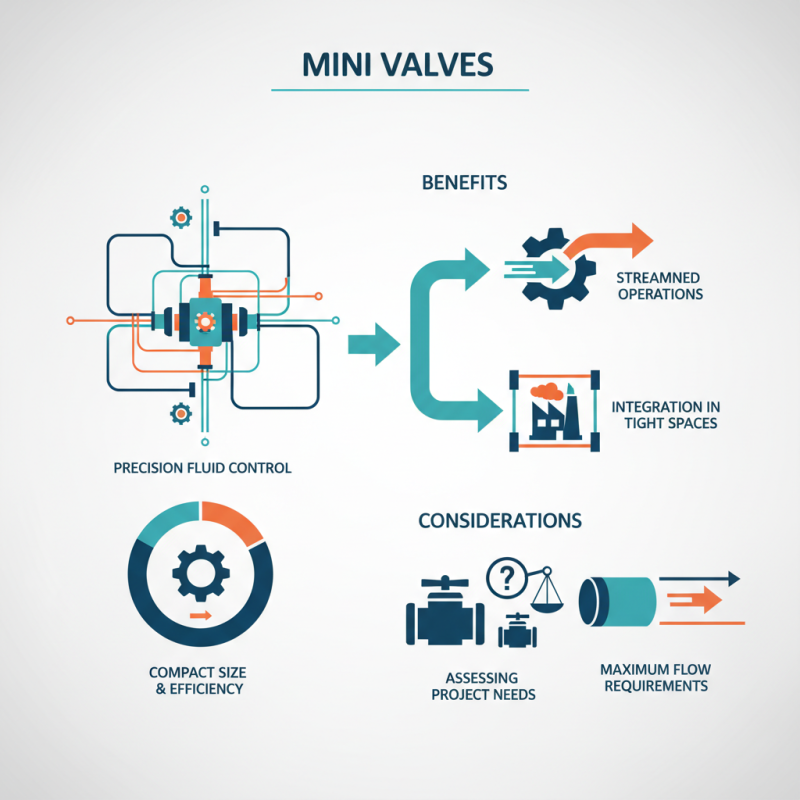
Mini valves are pivotal in numerous industries today. They provide precise fluid control, making them essential for various projects. Known for their compact size, these components often deliver significant performance. Roger Green, a leading expert in fluid dynamics, once stated, “Mini valves transform complex systems into streamlined operations.” His insights underline the importance of these valves.
In a world where space and efficiency matter, mini valves stand out. Their design allows for integration in tight spaces without compromising functionality. However, not all projects will benefit equally from mini valves. It's vital to assess specific needs before implementation. Sometimes, larger valves may outperform when maximum flow is required.
Ultimately, the choice of mini valves hinges on the project's requirements. Understanding their benefits and limitations is crucial. While their advantages are clear, challenges can arise if used incorrectly. Careful planning ensures these valves enhance operations effectively.
What is a Mini Valve?
Mini valves are compact devices designed to control the flow of liquids and gases. Their size makes them ideal for projects where space is limited. These valves are commonly used in various applications, from medical devices to automotive systems. Their functionality often includes regulating pressure and controlling temperature, essential for maintaining system efficiency.
The advantages of mini valves lie in their precision and reliability. They offer a more straightforward solution to flow control compared to traditional larger valves. This can lead to better performance in tight spaces. However, it's important to evaluate the specific needs of your project. Sometimes, mini valves may not handle high flow rates as effectively.
Installing a mini valve requires careful consideration. Improper setup can lead to leaks or inadequate performance. It's crucial to assess material compatibility to ensure longevity. Additionally, while mini valves can enhance system design, over-reliance on them may limit future scalability. A balanced approach is necessary to fully benefit from their use.
Key Components of a Mini Valve
Mini valves play a crucial role in various projects that require precise control of fluid flow. Understanding the key components of a mini valve is essential for maximizing its benefits. A mini valve typically consists of a body, actuator, seat, and stem. Each component contributes to the overall functionality and effectiveness of the valve.
The body of the mini valve houses the internal components. It is often made from durable materials to withstand pressure and corrosion. The actuator controls the flow of fluid. It can be manual or operated electronically. The seat provides a sealing surface that ensures no leaks occur when the valve is closed. Lastly, the stem connects the actuator to the seat, allowing for precise adjustments.
Tips: When selecting a mini valve, consider the application environment. Ensure compatibility with the fluids involved. Regular maintenance is also important to avoid performance issues. Often, installation mistakes can lead to inefficiencies. Pay close attention to details to avoid costly errors. It’s easy to overlook the specifications, causing frustration later.
Advantages of Using Mini Valves in Projects
Mini valves are increasingly gaining recognition in various engineering projects. Their compact size allows for integration into tighter spaces, enhancing design flexibility. According to a recent industry report, using mini valves can lead to a 30% reduction in space compared to traditional valves. This feature is particularly beneficial in applications where every inch counts, such as in aerospace and automotive industries.
Utilizing mini valves also improves operational efficiency. Their precise control capabilities enhance fluid dynamics, enabling projects to achieve smoother flow rates. In a study conducted by engineering experts, mini valves demonstrated a 20% increase in energy efficiency in fluid management systems. This translates to lower operational costs and a smaller carbon footprint, which are critical in today’s sustainability-focused landscape.
Despite their advantages, there are challenges to consider. The small size of mini valves can complicate maintenance tasks. Technicians may find it more challenging to access and service these components. Additionally, the market offers a wide range of mini valves, which can lead to confusion regarding compatibility and performance. Projects must carefully evaluate the specifications to ensure optimal integration. Proper training and a well-thought-out plan can mitigate these concerns, maximizing the benefits of mini valves.
Applications of Mini Valves Across Industries
Mini valves serve a vital role in various industries, from healthcare to manufacturing. Their compact size allows for integration in tight spaces, making them ideal for applications where traditional valves may be impractical. For example, in medical devices, mini valves precisely control fluid flow, ensuring safe and efficient operations.
In the automotive sector, mini valves control fuel and air mixtures, optimizing engine performance. Their small footprint does not compromise functionality, allowing engineers to design lighter and more efficient vehicles. However, it's crucial to choose the right materials. Corrosion-resistant options can extend the lifespan of these valves, contributing to overall reliability.
Tips: Always assess the specific requirements of your project. Consider pressure ratings and compatibility with fluids. Prioritizing these factors can prevent future operational issues. A detailed understanding of your application will also guide material selection.
In the food and beverage industry, mini valves enable precise control of liquids, ensuring hygiene and quality. However, maintaining these valves requires regular inspection. Over time, even small particles can affect performance, leading to inefficiencies. Regular maintenance is essential to avoid costly downtime.
What is a Mini Valve and How Can It Benefit Your Project? - Applications of Mini Valves Across Industries
| Industry | Mini Valve Type | Application | Benefits |
| Manufacturing | Solenoid Valve | Automated machinery | High efficiency and reliability |
| Automotive | Pneumatic Valve | Control of air systems | Compact design saves space |
| Oil & Gas | Ball Valve | Fluid control in pipelines | Durability under high pressure |
| Food & Beverage | Butterfly Valve | Flow regulation in processing | Sanitary design prevents contamination |
| Pharmaceutical | Check Valve | Prevent backflow in drug manufacturing | Ensures product integrity |
| HVAC | Globe Valve | Temperature control | Precise flow adjustment |
Installation and Maintenance Considerations for Mini Valves
When considering the installation of mini valves, a few factors are crucial. Ensure compatibility with your specific piping system. The size of the mini valve must match the existing setup. Incorrect sizing can lead to system inefficiencies. Installation requires precision, as misalignment may cause leaks. Using the correct tools is essential to avoid damage during installation.
Maintenance of mini valves often gets overlooked. Regular checks can prevent larger issues down the line. Look for rust or wear around the valve body. Cleaning can help maintain performance, but avoid harsh chemicals that might cause corrosion. It's beneficial to keep a log of maintenance activities. This helps identify patterns or recurring problems.
Remember that over-tightening can cause more harm than good. If any issues arise, seeking expert advice is wise. Learning from mistakes is part of the process. Each project teaches valuable lessons about proper installation and maintenance of mini valves.
Mini Valve Performance Metrics