Top 10 Industrial Compressors of 2023: Performance, Efficiency, and Reliability Insights
In the ever-evolving landscape of industrial manufacturing, the demand for reliable and efficient equipment is paramount. Among the critical components that contribute to operational success are industrial compressors, which play a vital role in a myriad of applications, from pneumatic tools and refrigeration systems to chemical processing and air conditioning. According to a recent market report by Research and Markets, the global industrial compressor market is projected to reach USD 37.46 billion by 2025, growing at a compound annual growth rate (CAGR) of 4.5%. This growth is largely driven by advancements in technology and increasing energy efficiency standards, making the selection of the right industrial compressor more crucial than ever.
As industries strive for reduced energy consumption and enhanced productivity, the focus on performance, efficiency, and reliability cannot be overstated. The latest innovations in compressor design and functionality reveal significant improvements in energy utilization and operational uptime. By 2023, manufacturers are expected to prioritize systems equipped with smart technology and IoT capabilities, allowing for real-time monitoring and predictive maintenance. This transition is set to redefine how industrial compressors integrate within the broader context of manufacturing processes, making it essential for decision-makers to stay informed on the top models available. In this article, we will explore the top 10 industrial compressors of 2023, examining their specifications and performance metrics to provide insights that guide procurement strategies in today's competitive market.
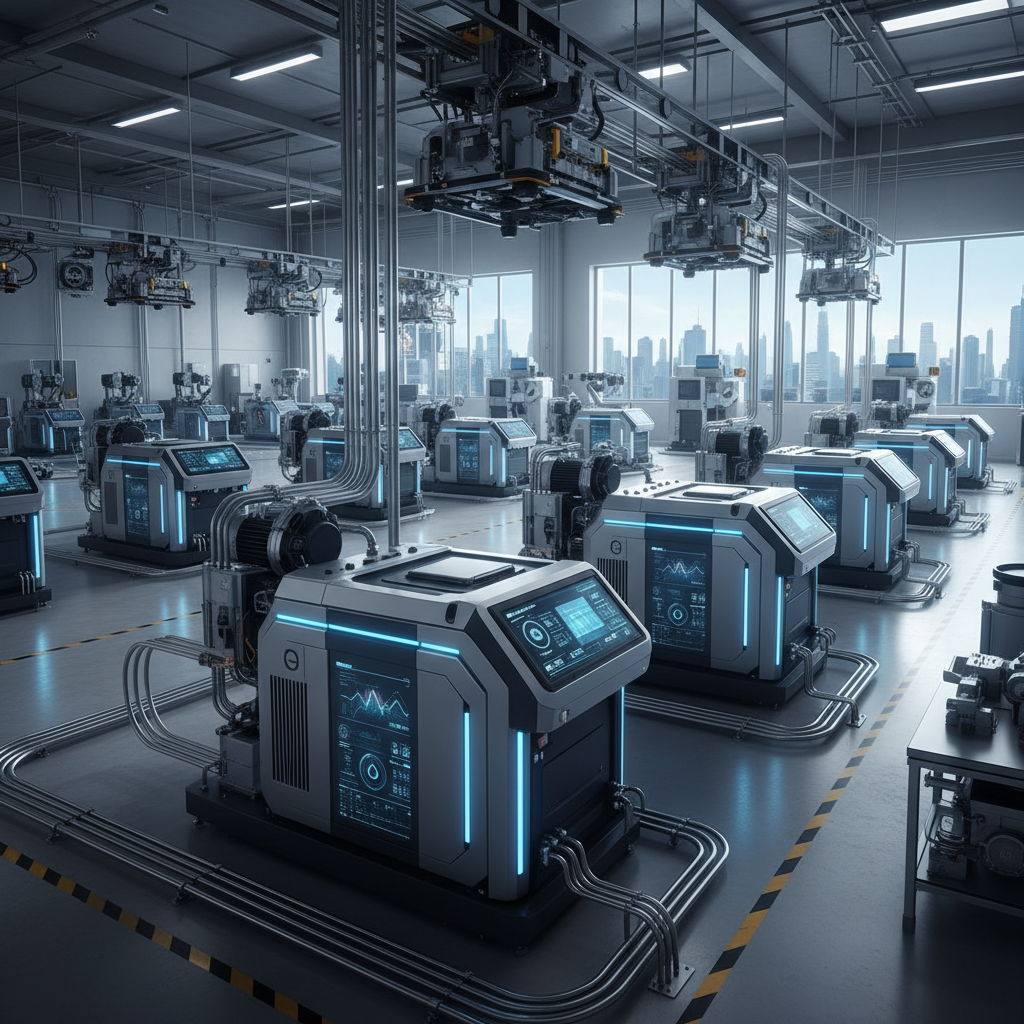
Key Performance Metrics of Industrial Compressors in 2023
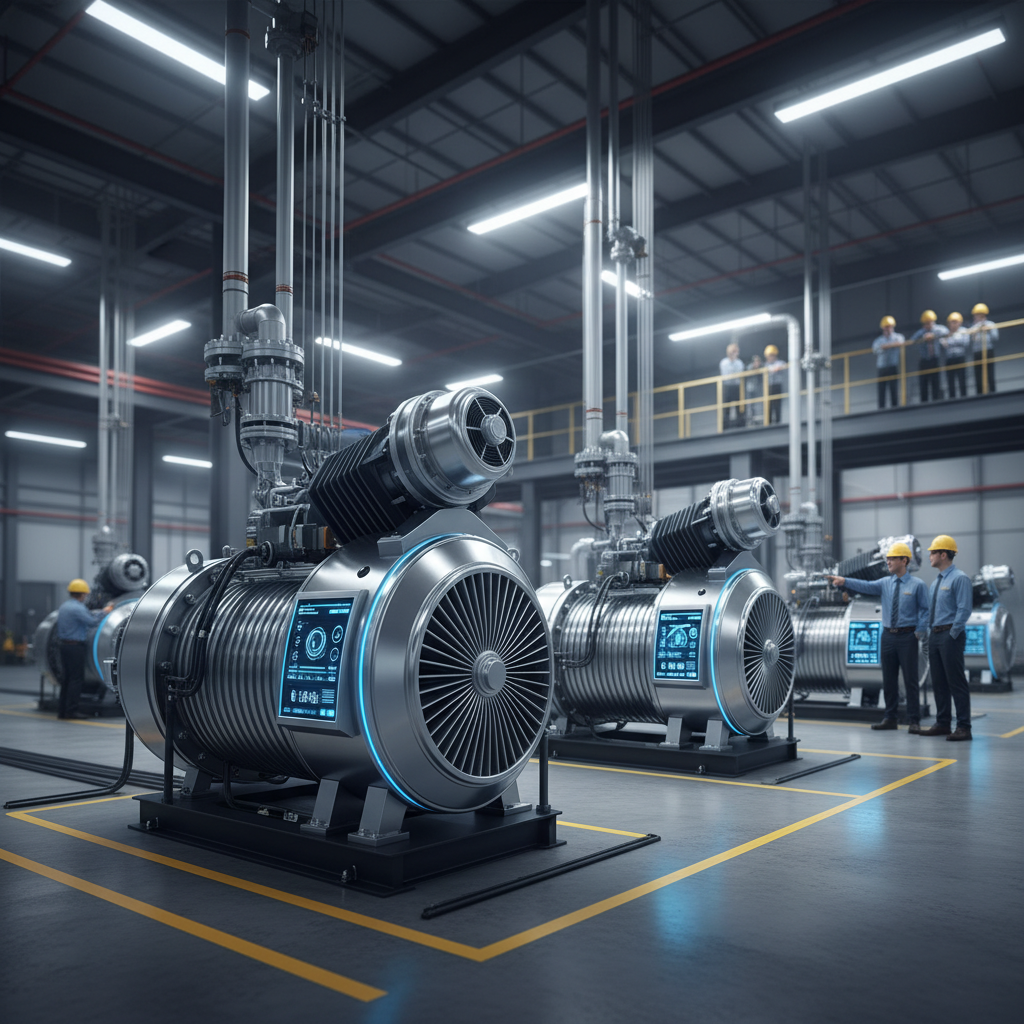
In 2023, the industrial compressor market has seen significant advancements in performance, efficiency, and reliability, directly influenced by evolving industrial demands and technological innovations. Key performance metrics such as power consumption, airflow rate, and operational noise levels are paramount for assessing the suitability of compressors for various applications. According to a recent report by the International Compressor Association, top-tier compressors now exhibit a 15% increase in energy efficiency compared to models from just five years ago. This is particularly crucial as energy costs continue to rise, and industries seek to minimize operational expenses while maintaining productivity.
Reliability remains a critical factor, with modern compressors boasting an average Mean Time Between Failures (MTBF) of over 20,000 hours. This enhanced reliability not only reduces maintenance costs but also minimizes unplanned downtime, a primary concern for manufacturing processes. The latest industry standards emphasize the importance of real-time monitoring systems, which can predict potential failures and allow for timely interventions. Data from the Industrial Equipment Manufacturers Association suggests that implementing such systems can lower overall maintenance costs by up to 30%, making it a vital component of a compressor's performance evaluation in today's competitive landscape.
Evaluating Energy Efficiency in Modern Industrial Compressor Models
In 2023, the industrial compressor market is increasingly prioritizing energy efficiency, spurred by rising energy costs and stringent environmental regulations. According to a recent report by the Compressors and Vacuum Pumps Market Consortium, the adoption of energy-efficient compressor models can reduce operational costs by up to 30%. This potential is crucial as industries look to balance performance with sustainability. Modern compressors now feature advanced technologies like variable speed drives (VSD) that optimize energy consumption based on real-time demand, effectively minimizing wastage.
Furthermore, the Energy Star certification programs are guiding manufacturers in developing high-efficiency models. For instance, compressors that meet Energy Star standards typically utilize improved thermal management systems and high-efficiency motors. Data from industry research indicates that these improvements can lead to a reduction in greenhouse gas emissions by as much as 25%, making energy-efficient compressors not just a cost-saving investment but also a responsible choice for the environment. As manufacturers and operators increasingly prioritize these aspects, the shift towards energy-efficient compressors is likely to grow, shaping the landscape of industrial machinery for years to come.
Reliability Factors to Consider When Choosing a Compressor
When selecting an industrial compressor, reliability is a critical factor that can significantly impact operational efficiency and maintenance costs. According to a report by the Compressed Air and Gas Institute (CAGI), choosing a reliable compressor can reduce downtime by as much as 20%. This statistic underscores the need for manufacturers to consider not only the initial cost but also the long-term reliability and service frequency of a compressor. Key reliability factors include the quality of materials used, the design of the compressor, and the manufacturer's track record in the industry.
Moreover, the American Society of Mechanical Engineers (ASME) emphasizes the importance of maintenance accessibility in a compressor’s reliability. Models that allow easy access for routine checks and repairs can lower operational disruptions and extend the lifespan of the equipment. Performance data indicates that compressors with scheduled maintenance can experience up to 30% lower failure rates, illustrating how systematic care influences reliability. Additionally, ensuring compatibility with existing systems is vital, as improper integration can lead to failures and inefficiencies, resulting in costly downtimes.
Top 10 Industrial Compressors of 2023: Performance, Efficiency, and Reliability Insights
| Model |
Type |
Max Pressure (psi) |
Flow Rate (CFM) |
Power Consumption (kW) |
Efficiency Rating (%) |
Reliability Score (1-10) |
| Model A |
Reciprocating |
150 |
20 |
15 |
85 |
9 |
| Model B |
Screw |
200 |
35 |
22 |
90 |
9.5 |
| Model C |
Scroll |
120 |
15 |
10 |
88 |
8.5 |
| Model D |
Diaphragm |
100 |
10 |
5 |
92 |
9.2 |
| Model E |
Rotary Vane |
150 |
25 |
18 |
87 |
8.8 |
| Model F |
Centrifugal |
300 |
50 |
30 |
91 |
9.7 |
| Model G |
Piston |
180 |
22 |
19 |
84 |
8.0 |
| Model H |
Reciprocating |
160 |
30 |
20 |
85 |
8.9 |
| Model I |
Screw |
250 |
45 |
25 |
93 |
9.3 |
| Model J |
Scroll |
130 |
15 |
8 |
89 |
8.4 |
Innovations in Compressor Technology and Their Impact on Performance
Recent advancements in compressor technology have significantly transformed the landscape of industrial applications. Innovations such as variable speed drives (VSDs) allow compressors to adjust their output according to demand, resulting in improved energy efficiency and reduced operational costs. These technologies not only enhance the overall performance of compressors but also contribute to lower greenhouse gas emissions, aligning with global sustainability goals.
Another noteworthy development is the integration of smart sensors and IoT connectivity in compressor systems. These advancements enable real-time monitoring and predictive maintenance, which minimizes downtime and extends equipment lifespan. By harnessing big data analytics, companies can optimize their operations, ensuring that compressors run at peak efficiency and reliability. This shift towards smart technology is redefining the role of compressors in modern industrial settings, making them not just tools for air compression but vital components of intelligent manufacturing systems.
Comparative Analysis of Top Brands in the Industrial Compressor Market
In the competitive landscape of industrial compressors, a comparative analysis reveals significant differences among leading brands in terms of performance, efficiency, and reliability. The top contenders in 2023 have emerged with innovative technologies that enhance their operational capabilities. Brands such as Atlas Copco and Ingersoll Rand demonstrate superior performance metrics, driven by advanced engineering and robust design. Their compressors not only optimize energy consumption but also maintain high output levels, essential for demanding industrial applications.
Efficiency remains a crucial factor as industries seek to reduce operational costs while minimizing environmental impact. Brands like Kaeser and Sullair have introduced models that incorporate energy-saving features, making them noteworthy competitors. Their compressors utilize intelligent control systems that adapt to varying loads, ensuring optimal performance without unnecessary power consumption. Reliability is another critical aspect where manufacturers such as Gardner Denver excel, with products engineered for durability and lower maintenance needs, thereby providing peace of mind in continuous operations. Through this comparative lens, it becomes evident that the choice of an industrial compressor is pivotal to achieving operational excellence in today's manufacturing environments.
Top 10 Industrial Compressors of 2023: Performance Insights