2025 How to Improve Air Treatment for Better Indoor Air Quality
Indoor air quality is an essential aspect of our overall health and well-being, often overlooked in the quest for a comfortable living environment. As we spend a significant amount of time indoors, the quality of the air we breathe can have profound effects on our physical and mental health. In recent years, the awareness of how indoor pollutants, allergens, and other harmful particles can accumulate within our homes and workplaces has grown, placing a spotlight on the importance of effective air treatment solutions.
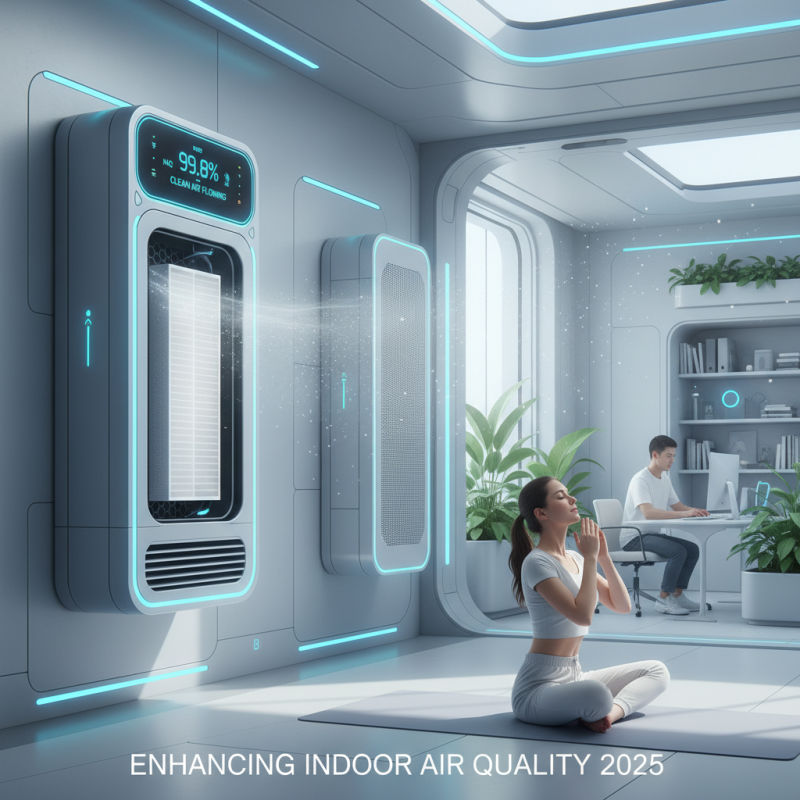
In 2025, enhancing air treatment systems will become a priority for many, driven by advancements in technology and a heightened understanding of the impact of air quality on our health. This article will explore innovative air treatment methods that not only mitigate harmful contaminants but also promote a safer and more pleasant indoor atmosphere. By implementing these effective practices, individuals and organizations can significantly improve indoor air quality, leading to better health outcomes and increased productivity.
As we navigate the challenges of today's world, prioritizing air treatment is essential for fostering healthier indoor environments. This focus not only supports individual well-being but also contributes to a more sustainable and livable future for all.
Understanding Indoor Air Quality and Its Importance
Indoor air quality (IAQ) is a crucial factor that significantly influences our overall health and well-being. It encompasses various elements, including pollutants, temperature, humidity, and ventilation. Poor IAQ can lead to a range of health issues, from respiratory problems and allergies to headaches and fatigue. As people spend an increasing amount of time indoors, understanding and improving indoor air quality has never been more vital.
The importance of maintaining good indoor air quality goes beyond individual health; it also affects productivity and comfort. Enhanced IAQ can boost cognitive function and focus, making workplaces and learning environments more conducive to success. Moreover, children and elderly individuals are particularly susceptible to the negative impacts of poor air quality, making it essential to prioritize cleaner air in homes and schools.
Implementing effective air treatment strategies, such as proper ventilation, air filtration, and humidity control, can create healthier indoor spaces, thereby fostering a better quality of life for all inhabitants.
Key Factors Affecting Indoor Air Quality in 2025
As we look toward 2025, several key factors will play a crucial role in enhancing indoor air quality (IAQ). One of the most significant aspects is the integration of advanced air filtration systems. These systems are designed to capture a wide range of airborne pollutants, including particulate matter, allergens, and volatile organic compounds. By utilizing HEPA filters and activated carbon technologies, indoor environments can effectively reduce contaminants, providing occupants with cleaner air to breathe.
Another essential factor is the incorporation of smart HVAC systems that adapt to occupancy and outdoor air quality conditions. These systems can regulate ventilation rates and air circulation, ensuring that fresh air is introduced when needed while minimizing energy consumption. Furthermore, monitoring technologies that track indoor air quality parameters such as humidity, temperature, and CO2 levels will empower building managers to make informed decisions about maintaining a healthy indoor environment. By prioritizing these innovations, we can significantly improve indoor air quality by 2025 and promote better health and well-being for everyone.
Effective Air Treatment Technologies for Indoor Spaces
Indoor air quality has become increasingly vital as we spend more time indoors, especially in urban environments. Implementing effective air treatment technologies can significantly enhance air quality and the overall health of occupants. One promising solution is the use of high-efficiency particulate air (HEPA) filters, which are capable of capturing a wide range of airborne particles, including dust, pollen, and even bacteria. Coupled with proper ventilation systems, HEPA filters can help reduce the concentration of pollutants, ensuring a safer indoor environment.
Another innovative approach involves the utilization of UV-C light technology. This method leverages ultraviolet light to deactivate microorganisms, thus preventing their recirculation in indoor air. When integrated into HVAC systems, UV-C treatments can effectively target viruses and molds, further purifying the air. Additionally, advanced air purifiers equipped with activated carbon filters can absorb volatile organic compounds (VOCs) and odors, providing a comprehensive solution for maintaining fresh and healthy indoor spaces.
Moreover, smart air quality monitors can play a crucial role in optimizing air treatment systems. These devices continuously track airborne pollutants and adjust the operation of air purifiers and ventilation systems accordingly, ensuring that air quality is maintained at optimal levels. By adopting a combination of these effective air treatment technologies, indoor spaces can achieve improved air quality, fostering healthier environments for occupants.
Best Practices for Maintaining Optimal Air Quality at Home
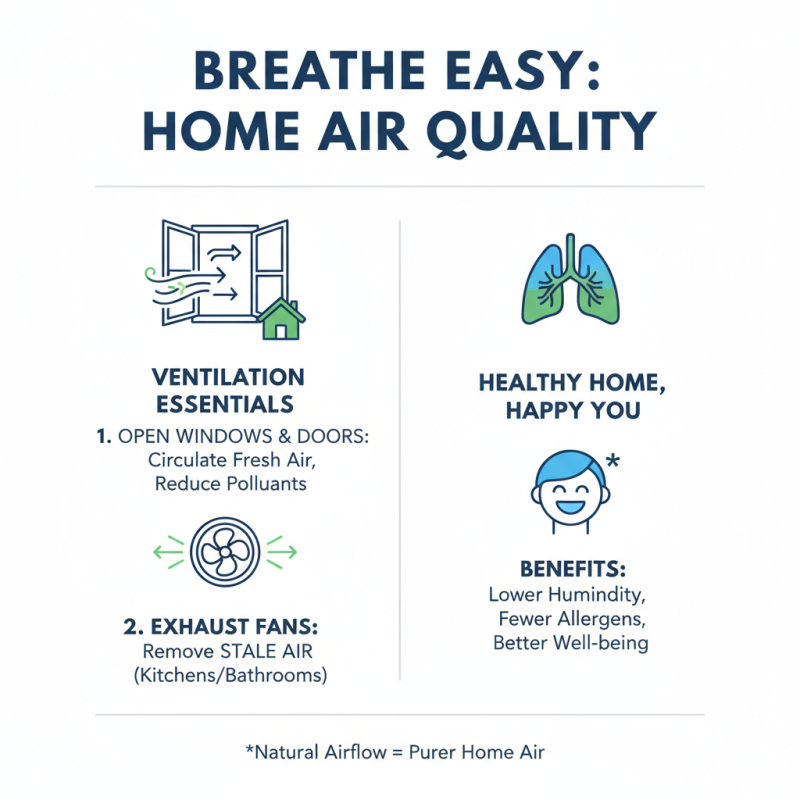
Maintaining optimal air quality at home is crucial for health and well-being. One of the best practices is regular ventilation. Opening windows and doors allows fresh air to circulate, helping to reduce indoor pollutants and moisture buildup. This natural airflow can significantly lower the concentration of harmful substances, especially in areas like kitchens and bathrooms where humidity tends to be higher. Utilizing exhaust fans in these spaces can further enhance ventilation, ensuring that stale air and odors are efficiently removed.
In addition to ventilation, the use of air purifiers can play a vital role in improving indoor air quality. These devices can effectively capture airborne particles, allergens, and pollutants, contributing to a cleaner environment. It is essential to choose purifiers equipped with high-efficiency particulate air (HEPA) filters, as these filters are proven to trap a significant percentage of microscopic contaminants. Regular maintenance of air purifiers and HVAC systems is also key; replacing filters as recommended ensures optimal performance and helps prevent the recirculation of dust and allergens throughout the home.
Future Trends in Air Treatment Solutions for Indoor Environments
As indoor air quality becomes a growing concern, future trends in air treatment solutions are poised to transform how we manage our indoor environments. One promising direction is the integration of smart technology in air purification systems. Smart devices, equipped with sensors and data analytics, can continuously monitor air quality parameters such as particulate matter, volatile organic compounds, and humidity levels. This real-time data allows for adaptive responses in maintaining optimal air quality, ensuring that air treatment systems operate only when necessary, thus reducing energy consumption and operational costs.
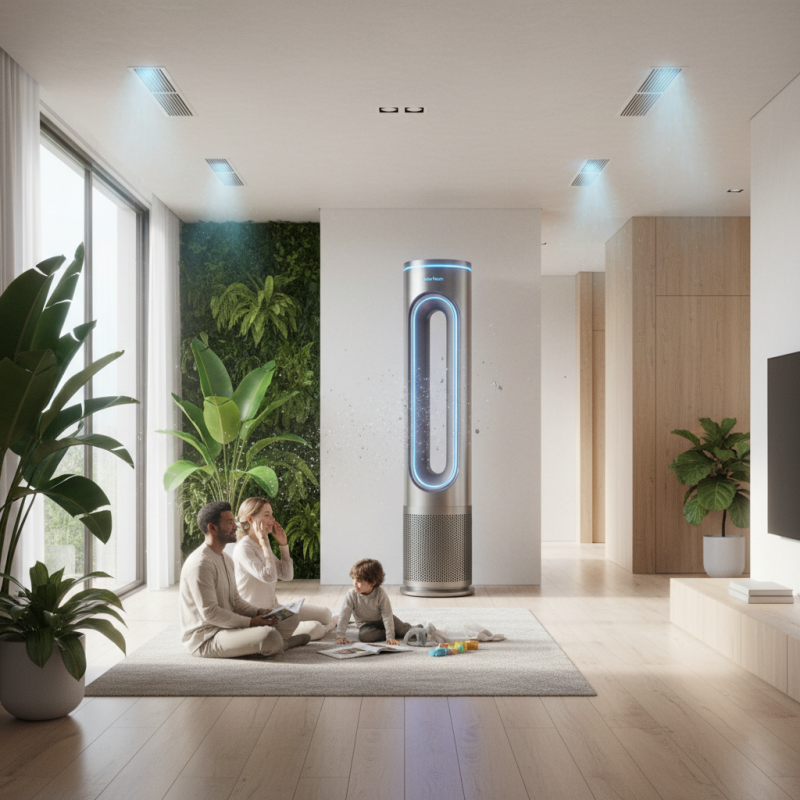
Another trend gaining traction is the increased emphasis on biophilic design, which incorporates natural elements into indoor spaces to enhance air quality. This approach not only improves aesthetics but also utilizes plants and natural ventilation strategies to filter air pollutants and increase oxygen levels. Living walls, indoor gardens, and the strategic placement of greenery can significantly improve indoor air quality while fostering a healthier environment. As research continues to unveil the benefits of nature on mental and physical wellbeing, the incorporation of biophilic elements in air treatment solutions is expected to become a standard practice in both residential and commercial settings.
Furthermore, advancements in material science are leading to the development of innovative air filtration technologies, such as photocatalytic filters and antimicrobial surfaces. These materials, which actively neutralize harmful agents in the air, promise to enhance the efficacy of air treatment systems. By investing in research and development, the indoor air quality industry can leverage these technologies, creating environments that are not only cleaner but also contribute to the overall health and comfort of their occupants.
2025 How to Improve Air Treatment for Better Indoor Air Quality - Future Trends in Air Treatment Solutions for Indoor Environments
| Trend |
Description |
Expected Impact |
Implementation Year |
| Smart Air Purifiers |
Integration of IoT and AI for real-time air quality monitoring and adjustments. |
Improved energy efficiency and personalized air treatment. |
2025 |
| Advanced Filtration Technologies |
Use of nanotechnology for more efficient particle removal from air. |
Reduction in airborne allergens and pollutants. |
2024 |
| Humidity Control Systems |
Enhanced systems to regulate indoor humidity levels effectively. |
Improved comfort and health through optimal humidity levels. |
2025 |
| Biophilic Design Elements |
Incorporation of natural elements and plants in air treatment solutions. |
Enhanced air quality and psychological benefits. |
2025 |
| Decentralized Ventilation Systems |
Local air treatment options reducing reliance on centralized systems. |
Increase in efficiency and flexibility in air treatment applications. |
2026 |