10 Essential Tips for Choosing the Right Industrial Compressor for Your Business
In the competitive landscape of modern manufacturing, the significance of selecting the right industrial compressor cannot be overstated. According to a report by Markets and Markets, the global industrial compressor market is projected to reach USD 40.81 billion by 2023, growing at a CAGR of 3.8% from 2018. This growth underscores the essentiality of efficiency and reliability in operational processes, where compressors play a pivotal role in driving productivity and energy savings.
Choosing an appropriate industrial compressor specifically tailored to business needs can lead to improved operational efficiency and reduced energy costs. A rigorous assessment of factors such as air quality, compressor type, and energy consumption is crucial. For instance, a study by the U.S. Department of Energy highlights that compressed air systems can account for up to 30% of a manufacturing facility's energy expenses, emphasizing the necessity for well-informed decision-making when investing in these vital components.
As industries continue to evolve with the advancement of technology and increased automation, understanding the intricacies of various compressors available in the market becomes imperative. By implementing the right strategies in selecting an industrial compressor, businesses can enhance overall performance, ensure sustainability, and meet the demands of their operations effectively.
Understanding Your Business Needs for an Industrial Compressor
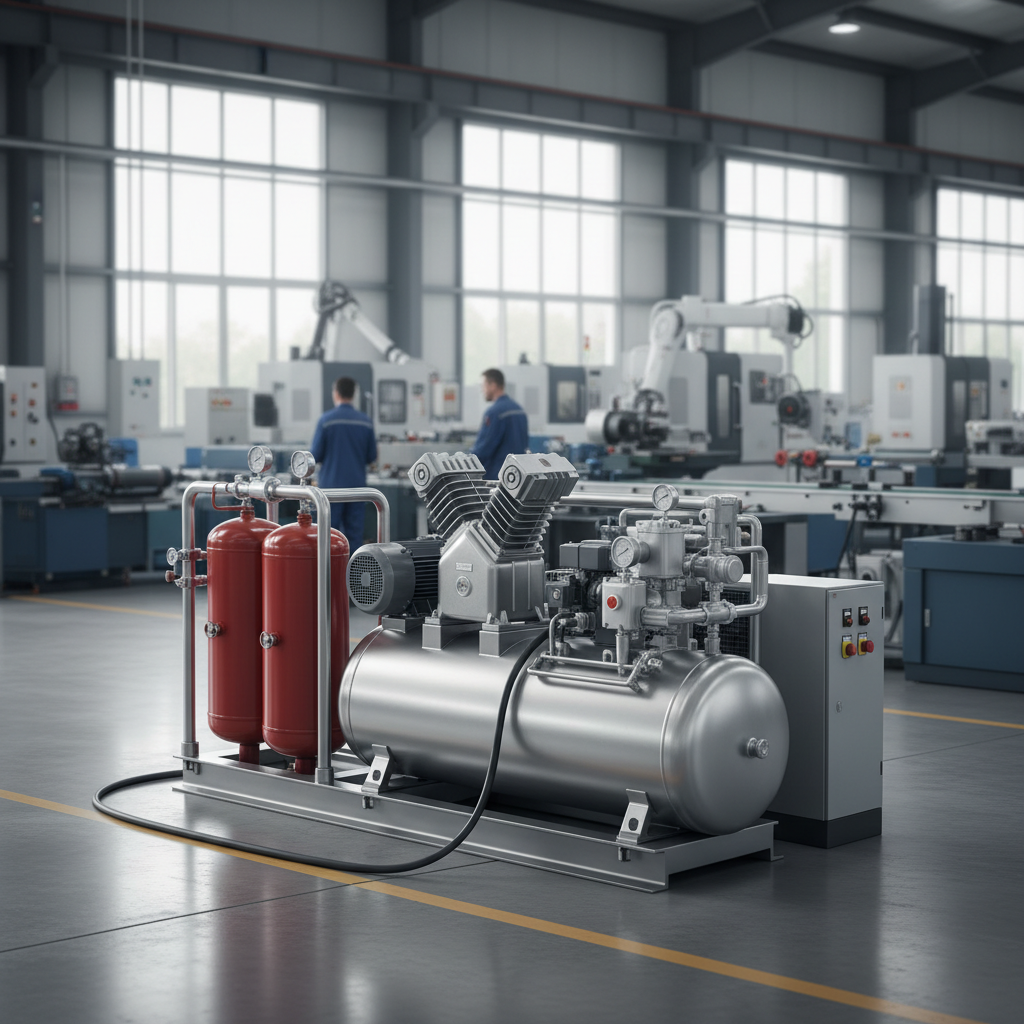
When selecting the right industrial compressor for your business, understanding your specific operational needs is crucial. Different industries have varying requirements in terms of air pressure, volume, and application. For example, a manufacturing facility may need a high-capacity compressor that can run continuously, while a smaller workshop might only require a portable unit for occasional tasks. Assessing the scale and type of your operations will guide you in determining the appropriate compressor type, such as rotary screw, reciprocating, or centrifugal.
Additionally, consider the specific applications your compressor will support. Whether it's powering pneumatic tools, supporting production lines, or providing compressed air for cooling and conveying purposes, each application may demand unique specifications. Furthermore, evaluating the energy efficiency of compressors is essential, as this will impact your overall operational costs. By carefully analyzing these factors, you can make an informed decision that aligns with your business objectives and enhances productivity.
Industrial Compressor Selection Criteria
This bar chart illustrates the importance ratings of various criteria to consider when selecting an industrial compressor for your business. The criteria include efficiency, cost, noise level, maintenance requirements, size, and power source. Understanding these factors can help you make a more informed decision that aligns with your operational needs.
Evaluating Different Types of Compressors for Efficiency
When selecting an industrial compressor, understanding the different types of compressors and their efficiencies is crucial. Rotary screw compressors are known for their continuous operation and efficiency in high-demand applications, making them suitable for manufacturing environments. On the other hand, reciprocating compressors are often favored for their versatility and lower initial costs, although they might require more maintenance over time.
Tip: Always consider your specific air requirements, including pressure and volume, before deciding on a compressor type. This assessment will guide you towards the most efficient option for your operations.
Another option gaining popularity is the centrifugal compressor, which excels in large volume applications where a continuous flow of compressed air is necessary. These compressors offer high efficiency, especially in large-scale facilities. However, their initial investment can be substantial.
Tip: Prioritize energy efficiency ratings when evaluating compressors, as this will impact your long-term operational costs. Additionally, look for units with variable speed drives to adapt to fluctuating air demands, ensuring optimal performance and maximum savings.
Analyzing Energy Consumption and Operating Costs
When selecting the right industrial compressor, one of the most critical factors to consider is the energy consumption and operating costs associated with the unit. According to a report by the U.S. Department of Energy, compressed air systems account for approximately 10% of industrial energy use, highlighting the importance of choosing an energy-efficient model. The efficiency of a compressor directly impacts its operating costs, which can represent a significant portion of a business's overall budget. For instance, switching to a variable speed drive compressor can save users up to 35% on energy costs compared to traditional fixed-speed models.
In addition to evaluating energy consumption, it’s essential to assess the total cost of ownership (TCO) of the compressor. This includes initial purchase price, energy costs, maintenance, and potential downtime. A report by the Compressed Air and Gas Institute (CAGI) emphasizes that maintenance costs alone can often reach up to 20% of a compressor’s operating cost over its lifespan. Thus, investing in a compressor with robust design features that minimize wear and tear can yield significant long-term savings.
When choosing a compressor, consider these essential tips:
- Evaluate the specific pressure and flow requirements of your operations to avoid selecting an oversized model, which can lead to higher energy costs.
- Research compressors that utilize advanced control systems to optimize efficiency based on demand.
These considerations will not only help in minimizing energy consumption but also contribute to a
sustainable operation that aligns with modern industrial practices.
Considering Space and Installation Requirements
When choosing an industrial compressor, considering space and installation requirements is critical to optimizing operational efficiency. According to a report by the International Journal of Compressed Air Technology, a poorly-planned compressor installation can lead to a 30% reduction in efficiency, directly impacting production costs. Before making a decision, it’s essential to evaluate your workspace dimensions, ensuring that the compressor fits comfortably while allowing for adequate airflow and maintenance access. For example, a rotary screw compressor typically requires at least three feet of clearance on all sides, as emphasized in guidelines from the Compressed Air and Gas Institute (CAGI).
Additionally, factor in the static and dynamic installation requirements. The compressor's installation site should be level and free of vibrations, as even minor inconsistencies can lead to significant performance drops. A study published in the Equipment and Machinery Review indicates that 25% of industrial facilities underestimate the importance of foundational support, which can lead to premature compressor failures. Therefore, conducting a thorough assessment of both the physical space and the necessary installation conditions is essential for selecting a compressor that meets your operational needs effectively.
Researching Reliability and Maintenance Support Options
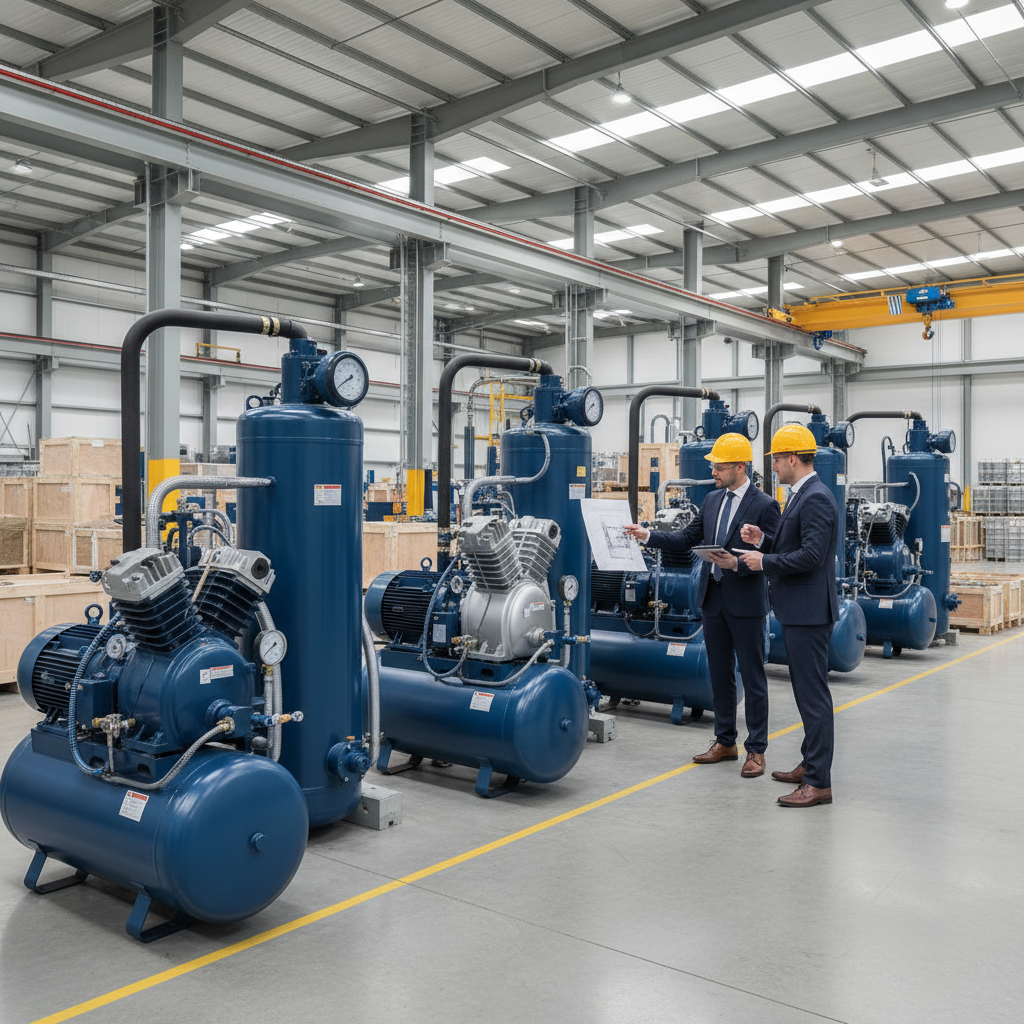
When selecting an industrial compressor, the reliability of the equipment is paramount. A reliable compressor minimizes downtime and ensures continuous operation, which is critical for maintaining productivity. To assess reliability, it is essential to research the manufacturer’s reputation, looking for brands known for producing robust and durable compressors.
Reading customer reviews and industry testimonials can provide insights into performance and longevity, helping businesses make informed decisions.

Maintenance support options also play a crucial role in the selection process. Understanding the available support services can significantly impact the total cost of ownership over the compressor's lifespan. Look for manufacturers that offer comprehensive maintenance plans, including regular check-ups, emergency repairs, and readily available replacement parts.
Establishing a relationship with a service provider that understands your specific compressor model can ensure prompt repairs and reduce unexpected maintenance costs, thereby enhancing overall operational efficiency.