What is Compressed Air Solutions for Industrial Applications?
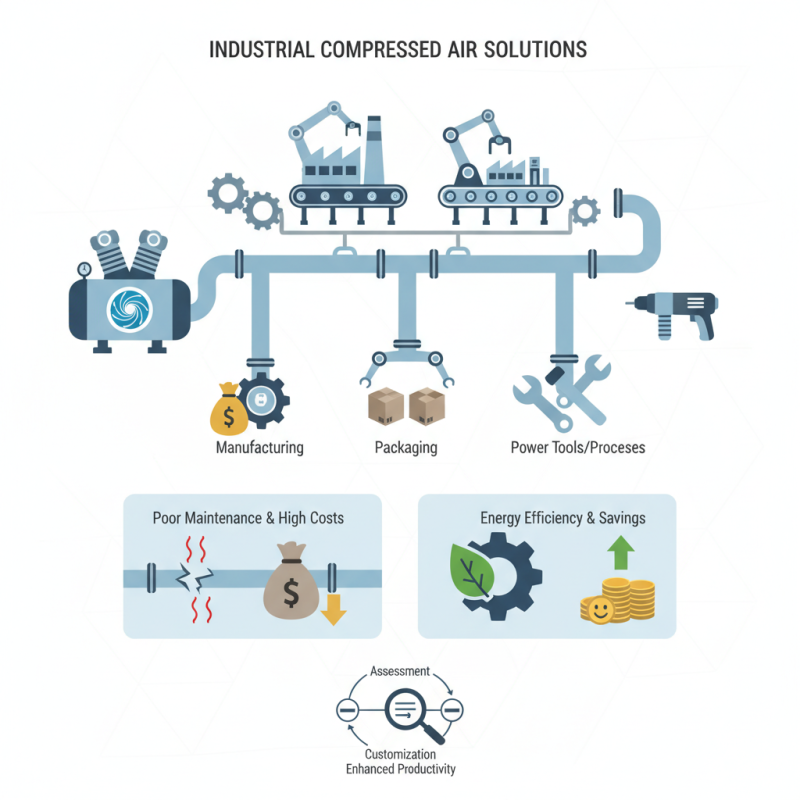
Compressed air solutions play a vital role in various industrial applications. These systems offer efficient and flexible power sources for numerous tools and processes. They support everything from manufacturing to packaging in modern industries. However, implementing these solutions can pose challenges.
Many companies overlook the maintenance and energy efficiency of compressed air systems. Poorly maintained equipment can lead to air leaks and higher energy costs. This often results in wasted resources and increased operational expenses. The need for regular assessments and improvements cannot be emphasized enough.
Additionally, not all compressed air solutions are created equal. Many industries require specific configurations to optimize performance. Tailoring these solutions to fit unique needs is crucial. Despite common practices, businesses must continuously evaluate their compressed air usage. It’s a complex yet rewarding journey toward enhanced productivity.
What is Compressed Air and Its Industrial Importance?
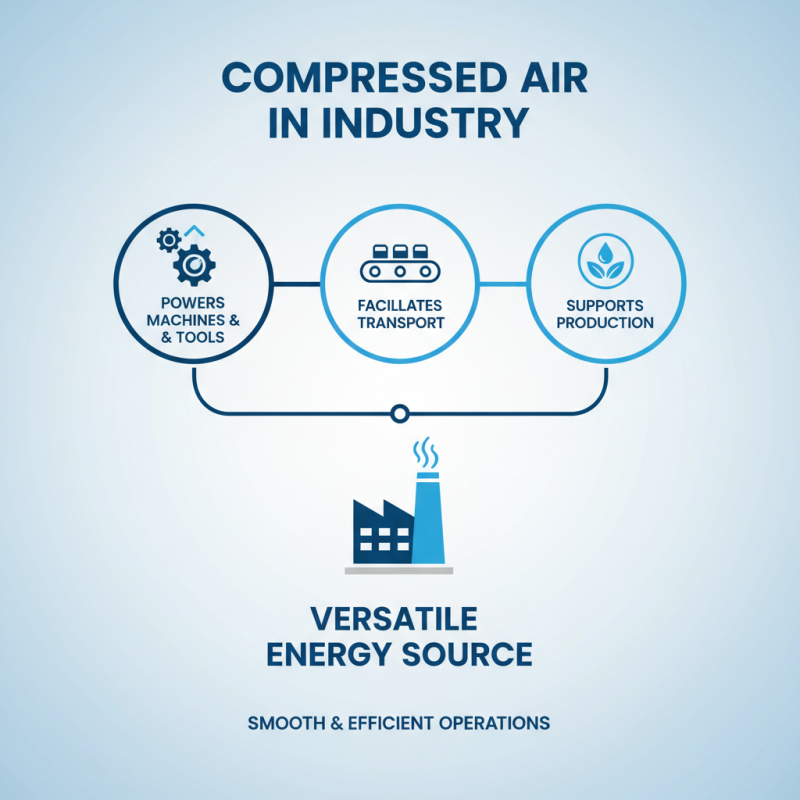
Compressed air plays a crucial role in various industrial applications. It is a versatile energy source used across many sectors, from manufacturing to food processing. Its importance lies in its ability to power machines, tools, and even transport systems. This energy enables industries to function smoothly and efficiently.
In many factories, compressed air drives pneumatic tools, making tasks faster and more efficient. It can also be used for cleaning surfaces, packaging products, and even influencing the quality of goods. However, reliance on compressed air comes with challenges. Leakage is a common issue that can waste energy and inflate operational costs. Lack of proper maintenance can degrade performance over time.
Companies often overlook the significance of air quality. Contaminated air can affect product integrity, leading to costly recalls. This raises a point for reflection—how often do businesses check their air systems? Investing in better filtration and regular inspections can lead to long-term savings. Yet many may hesitate due to upfront costs. Finding the right balance between expenditure and efficiency is essential for sustainable operations in this sphere.
Types of Compressed Air Systems Used in Industries
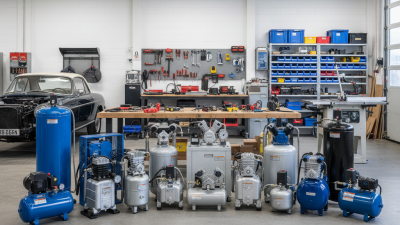
Compressed air systems play a vital role in various industries, powering tools and equipment. The predominant types fall into two main categories:
positive displacement and
dynamic systems.
Positive displacement systems are the most common, utilizing pistons or screws to compress air.
They can achieve high pressures, making them ideal for applications requiring significant force.
Dynamic systems, on the other hand, use a rotor or centrifugal mechanism to compress the air.
These systems are often more efficient, especially in large-scale operations.
According to industry reports, dynamic compressors can reduce energy costs by up to 30% compared to traditional methods.
However, they can be sensitive to fluctuations in input conditions, leading to potential inefficiencies.
Overall, the choice of compressed air system often depends on specific application needs.
Each type has its advantages and limitations. For example, positive displacement compressors are reliable but can be bulky.
Dynamic compressors are sleek but may require more maintenance.
Companies must evaluate not only the initial cost but also long-term operational efficiency.
Balancing these factors can lead to better decision-making.
Key Applications of Compressed Air in Manufacturing Processes
Compressed air plays a crucial role in industrial applications, particularly in manufacturing processes. Reports indicate that over 70% of manufacturing facilities utilize compressed air systems. This utility is essential for powering tools, machinery, and various production processes. Assembly lines often rely on pneumatic tools, which enhance efficiency and precision. A study by the Compressed Air and Gas Institute found that these tools can improve operator productivity by 25% or more.
Applications extend to packaging, material handling, and surface treatment. Compressed air systems facilitate automated packing machines, reducing labor costs. It is noted that leaks in compressed air systems can waste up to 30% of energy, highlighting the need for regular maintenance. The environmental impact of inefficiencies is concerning. Many plants overlook energy audits for their compressed air systems, leading to higher operational costs and unnecessary energy consumption.
Moreover, compressed air is instrumental in quality control processes, ensuring that products meet stringent standards. However, the reliability of compressed air systems is often underestimated. Businesses might overlook the importance of air quality and filtration, risking contamination. Inadequate system design can also lead to pressure drops, impacting production efficiency and product quality. This indicates a need for a more attentive approach to managing compressed air in manufacturing.
Benefits of Utilizing Compressed Air Solutions in Industry
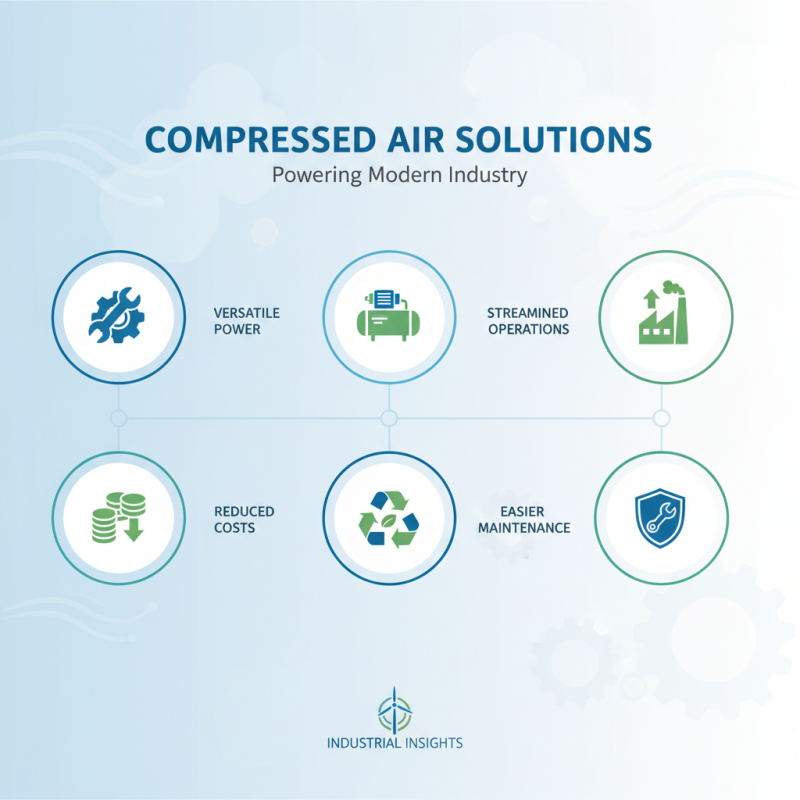
Compressed air solutions play a vital role in various industrial applications. They are versatile and efficient, often powering tools and equipment. By using compressed air, industries can streamline operations and reduce costs. This approach minimizes waste and improves productivity. Moreover, compressed air systems are often easier to maintain than traditional power sources.
The benefits of utilizing compressed air solutions are notable. First, they provide excellent flexibility. Companies can easily adjust their use of compressed air depending on demand. Additionally, air compressors can be integrated with existing systems without major changes. This integration can save time and resources. However, there can be issues with energy efficiency that warrant attention. Leaks in the system can lead to significant energy loss. Regular maintenance checks are essential to mitigate this.
Another key advantage is safety. Compressed air systems have fewer electrical hazards compared to other power sources. This enhances overall workplace safety, reducing potential risks. However, users must remain cautious. Proper training is necessary to avoid injuries related to high-pressure air. Observing safety protocols is crucial for a successful implementation. Overall, while compressed air solutions have many benefits, continual assessment and adjustments are necessary for optimal use.
Best Practices for Maintaining Compressed Air Systems in Operations
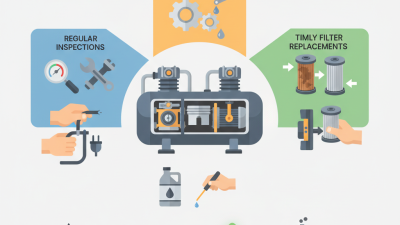
Maintaining compressed air systems in industrial operations is crucial for efficiency. Regular checks on pressure levels can prevent unplanned downtimes. Keep an eye on leaks, as even small ones can waste significant energy. Visual inspections help you identify issues like damaged hoses or fittings. It's often easy to overlook these details during busy days.
Also, filter maintenance is key. Clogged filters can restrict airflow and reduce performance. Regularly replacing them can save energy costs and improve output. Training staff on best practices is often neglected. They should know the importance of these systems. A small mistake can lead to costly repairs or accidents.
Monitoring system performance using gauges is another practical step. This helps in spotting inconsistencies early. Monthly reports on air usage can provide insights over time. Surprising fluctuations can indicate deeper issues. Adjusting maintenance schedules based on these findings can lead to better results. Reflecting on past maintenance practices can uncover missed opportunities for improvement.