How to Choose the Best Linear Drains for Your Projects?
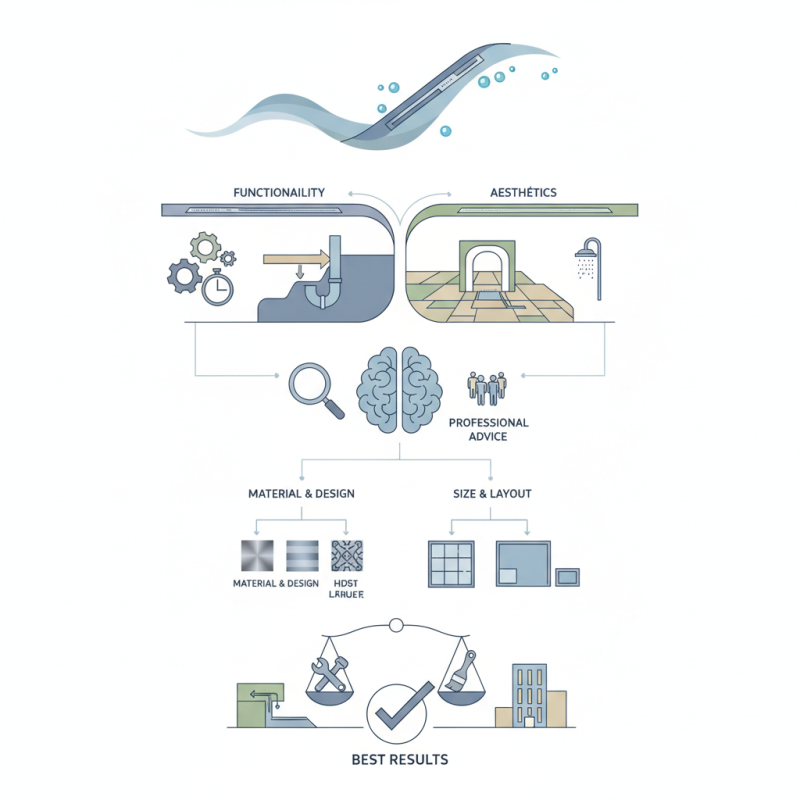
Choosing the right Linear Drains for your project can significantly impact its functionality and aesthetics. Industry expert Dr. Emily Carter emphasizes, "The right drainage solution is crucial for both longevity and design integrity." Linear drains offer sleek designs and efficient water management, making them a popular choice for both residential and commercial applications.
When selecting linear drains, consider the size and layout of your space. A well-chosen drain can enhance your project's visual appeal. In contrast, an ill-fitting model could lead to ineffective drainage and potential water damage. Pay attention to the material and design features, as these elements can influence both performance and maintenance.
While it may feel overwhelming, understanding the available options is essential. Many factors play a role in your selection process. It's important to weigh both aesthetic goals and practical needs. Trust your instincts, but also seek feedback from industry professionals. Balancing your vision with functional requirements will lead to the best results in your project.
Understanding Linear Drains and Their Applications
Linear drains are versatile fixtures commonly used in various applications, from residential bathrooms to industrial settings. Their sleek design allows for efficient water drainage while maintaining aesthetic appeal. These systems work by collecting water along a channel, directing it towards a waste line. Understanding how they function in different environments is crucial for making the right choice.
In residential spaces, linear drains are fantastic for wet rooms and shower areas. They provide a seamless transition from one flooring type to another. However, choosing the right size and placement can be tricky. Improper installation can lead to water pooling, defeating the purpose of efficient drainage. For commercial projects, durability and flow capacity are vital. These drains must handle larger volumes of water while enduring heavy foot traffic.
When selecting a linear drain, consider the materials and design. Stainless steel is popular for its resistance to corrosion. However, some designs may not blend well with certain aesthetics. This mismatch can make the space feel disjointed. Consider potential maintenance issues, too. Regular cleaning is needed to prevent clogs, especially in high-use areas. Each project is unique, and thoughtful consideration will ensure optimal performance and longevity.
Identifying Key Factors for Selecting Linear Drains
When selecting the right linear drains for your project, several key factors come into play. The first is the size of the drain. Consider the space you have available. A drain that is too large can overwhelm an area, while one that is too small won't work effectively. Always measure accurately before making a choice.
Another crucial factor is the type of material. Stainless steel is popular for its durability and aesthetic appeal. However, other materials might suit specific environments better. For instance, PVC may be more appropriate in certain installations. Think carefully about the long-term implications of your choice.
Furthermore, the drainage capacity plays a vital role. Calculate the volume of water expected to flow through the system. This estimation influences your decision significantly. An insufficient capacity can lead to flooding or water damage. Re-evaluating your needs can reveal whether you truly understand the requirements of your space. Taking these elements into account can greatly enhance your project's success.
Comparing Materials and Durability Options for Linear Drains
When selecting linear drains, considering the material and durability is crucial. Common materials include stainless steel, PVC, and cast iron. Stainless steel is popular due to its strength and corrosion resistance. However, it can tarnish over time, requiring maintenance and care. PVC is lighter and easier to install, but it may not withstand heavy loads. Cast iron offers excellent durability but comes with a higher weight and cost.
Durability also relates to the environment where the drain will be installed. Areas with harsh weather conditions demand robust materials. For instance, outdoor installations require drainage that resists rust and freezing temperatures. Homeowners need to evaluate their local climate and choose accordingly. Some might overlook the importance of drainage grade. A slope that is too steep or too shallow can impact the drain's lifespan.
Ultimately, making the right choice involves balancing aesthetics and functionality. It’s vital to consider how the drain integrates into the overall design. While it may be tempting to go for the cheaper option, investing in quality can save money in the long run. Make sure to consult with professionals to ensure the best application of your selected material.
Evaluating Size and Design Considerations for Linear Drains
When selecting linear drains, size and design are critical factors. A well-designed linear drain should complement the overall aesthetic while providing effective drainage. The size of the drain must account for the specific application. For instance, the required flow rate can significantly influence the drain's dimensions. According to industry reports, proper sizing can eliminate up to 95% of water pooling issues, enhancing both functionality and longevity.
Design considerations are equally essential. A linear drain should fit seamlessly into the surrounding environment, whether it’s for residential or commercial use. The slope of the drainage area, typically a minimum of 1% or greater, must be considered to ensure efficient water flow. A poorly designed slope can lead to standing water, which might compromise the integrity of the installation. Empirical data indicates that over 70% of drainage failures stem from improper design practices.
Choosing materials plays a crucial role as well. Stainless steel is a popular choice for its durability and resistance to corrosion. However, sometimes a different material may better suit the aesthetic needs of the project. Many professionals find it challenging to balance functionality with visual appeal. Regular evaluation of how these aspects interact can lead to improved decision-making and project outcomes.
Comparison of Linear Drain Dimensions for Various Projects
Analyzing Cost and Installation Factors for Linear Drains
When selecting linear drains for your projects, cost and installation are critical factors. The price of linear drains can vary significantly based on materials and design. Stainless steel options tend to be more expensive, while PVC models offer a budget-friendly choice. Evaluating your project's budget can guide you toward the most suitable option. Remember, investing in quality materials often leads to longer-lasting results.
Installation time and complexity are also essential. Some linear drains require specialized tools and skills, which can impact labor costs. If a drain system needs frequent maintenance, it may not be ideal. Many builders overlook these aspects, leading to costly mistakes. Taking time to assess installation requirements is crucial. Sometimes, simpler models deliver better performance without breaking the bank. Factors like slope, drainage capacity, and aesthetics should all be considered during the selection process. Balancing these elements can lead to a successful project outcome.