How to Choose the Best Cooling Equipment for Your Business?
When selecting Cooling Equipment for your business, the stakes are high. An effective cooling solution can enhance productivity and comfort. According to a recent industry report by MarketsandMarkets, the global cooling equipment market is expected to reach $200 billion by 2025. This growth highlights the increasing importance of efficient cooling systems across various sectors.
Choosing the right cooling equipment requires careful consideration. Reliability and energy efficiency are paramount. Data indicates that businesses can save up to 30% on energy costs by investing in high-efficiency cooling systems. However, many companies still opt for outdated equipment. This can lead to increased operational costs and reduced employee satisfaction.
Potential pitfalls exist when evaluating options. Companies need to assess their specific cooling needs against available technologies. Failure to match equipment to requirements can result in over or under-capacity cooling systems. Therefore, a thoughtful approach to selecting cooling equipment is crucial for long-term success.
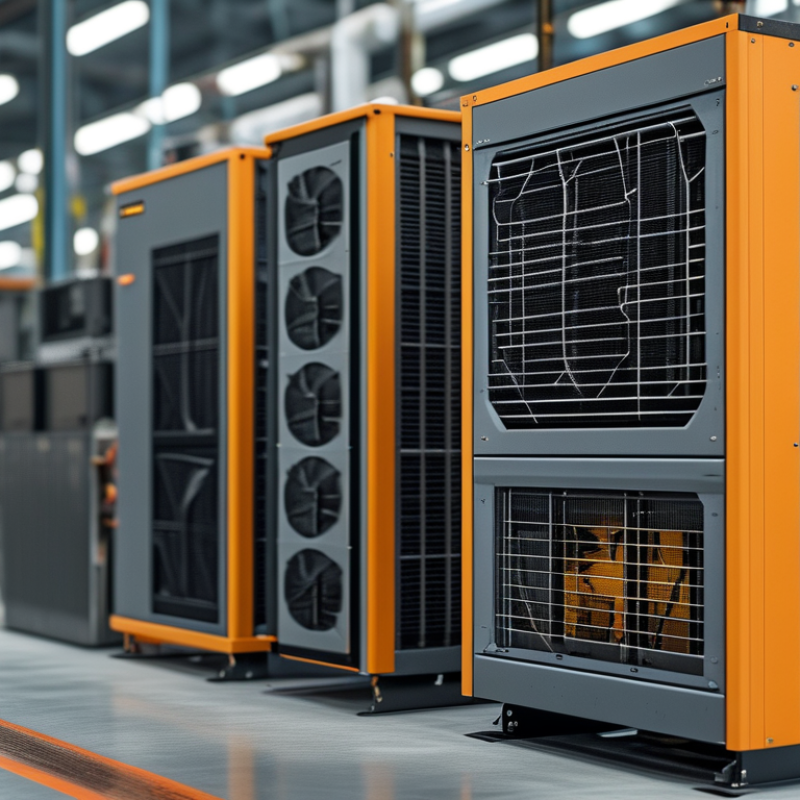
Identifying Your Business's Cooling Needs and Requirements
When choosing cooling equipment for your business, identifying specific needs is crucial. Start by assessing the size of your space. According to the American Society of Heating, Refrigerating and Air-Conditioning Engineers (ASHRAE), larger areas generally require more powerful systems. This fact highlights the importance of calculating the required cooling capacity in British thermal units (BTUs). An accurate measurement ensures efficiency and cost-effectiveness.
Consider the nature of your business activities. For instance, a server room may need precise temperature control. Industry surveys indicate that equipment failure risks increase at temperatures above 75°F. In contrast, restaurants might prioritize ventilation to manage heat and odors. Each business type has unique requirements based on its operational demands. Evaluating these can direct you to the right cooling solution.
Additionally, environmental impact plays a role in equipment choice. Reports from the U.S. Department of Energy show that approximately 25% of commercial energy usage goes to cooling. This statistic stresses the need for energy-efficient systems. Analyze energy ratings and consumption patterns to minimize costs and emissions. Striking a balance between efficiency and functionality is essential. Business cooling needs often require careful consideration and adjustment.
Understanding Different Types of Cooling Equipment Available
When selecting cooling equipment for your business, understanding the types available is crucial. Industrial cooling options vary widely, ranging from chillers to evaporative coolers. Recent reports from the American Society of Heating, Refrigerating and Air-Conditioning Engineers (ASHRAE) indicate that chilled water systems are highly efficient for larger operations. They can reduce energy consumption by up to 30%, but the initial investment can be substantial.
Another common type is the air conditioning unit, which is essential for smaller businesses or specific applications. According to a study by the U.S. Department of Energy, modern air conditioning systems can achieve efficiencies reaching 20 SEER (Seasonal Energy Efficiency Ratio), cutting costs substantially over older models. However, maintenance is key. Neglecting regular check-ups may lead to inefficiencies that negate these benefits.
Consider the role of evaporative coolers, especially in arid regions. They’re eco-friendly and can save significant water. Yet, they may struggle in humid climates, leading to poor performance. Investing in the right type of cooling system requires careful evaluation of your specific conditions and needs. It is important to regularly assess the efficiency of the equipment to ensure it continues to meet your operational demands.
Cooling Equipment Types and Their Energy Efficiency Ratings
Evaluating Energy Efficiency and Cost-effectiveness of Cooling Solutions
When evaluating cooling solutions for businesses, energy efficiency is a critical factor. The right equipment can significantly reduce operational costs. Look for systems that use less electricity while providing the necessary cooling. This often translates to lower utility bills, which can add up over time.
Consider the initial purchase price versus long-term savings. It’s tempting to choose cheaper options, but they may consume more energy. This might lead to higher costs in the long run. An energy-efficient unit might cost more upfront, but it usually pays off over its lifespan. Examine features like programmable thermostats and variable speed compressors, which can enhance efficiency.
Getting expert advice is also important. Reach out to professionals familiar with local codes and rebate programs. They can provide insights into the best choices for specific business needs. Gathering multiple quotes can help identify the most cost-effective options. Reflect on the entire lifecycle of the equipment, not just the purchase price. This approach ensures that the cooling solution is both economic and effective.
How to Choose the Best Cooling Equipment for Your Business? - Evaluating Energy Efficiency and Cost-effectiveness of Cooling Solutions
| Cooling Equipment Type | Energy Efficiency (EER) | Average Cost ($) | Maintenance Cost/Year ($) | Lifespan (Years) |
| Central Air Conditioning | 12-16 | 3,000-7,000 | 300 | 15-20 |
| Ductless Mini-Split | 15-20 | 2,000-5,000 | 250 | 20 |
| Window Air Conditioners | 10-14 | 150-600 | 100 | 10 |
| Portable Air Conditioners | 8-12 | 350-800 | 150 | 5 |
| Evaporative Coolers | 20-30 | 500-1,500 | 50 | 10-15 |
Considering Maintenance, Support, and Warranty Options
Choosing the right cooling equipment for your business involves more than just considering the technical specifications. Maintenance, support, and warranty options play a critical role in ensuring long-term performance and reliability. According to the U.S. Department of Energy, proper maintenance can improve energy efficiency by up to 30%. Regular checks prevent potential breakdowns that can disrupt operations.
Before making a decision, evaluate the support services offered. Many providers have differing levels of customer service. Some may offer 24/7 support, while others might not respond until standard business hours. This inconsistency can impact your business during critical moments. Additionally, warranty terms vary. A longer warranty often indicates a manufacturer’s confidence in their product. Aim for warranties that cover parts and labor for at least five years.
When selecting cooling equipment, consider the long-term costs of ownership. A system might have a lower initial cost but could lead to higher maintenance expenses over time. Research indicates that businesses can save as much as 15% annually by investing in high-efficiency units that benefit from robust maintenance programs. Make decisions based on facts, not just initial price tags. Balancing efficiency, support, and warranty coverage will ultimately serve your business better in the long run.
Making the Final Decision: Comparison and Recommendations
When selecting cooling equipment for your business, several factors require careful consideration. Start by assessing the specific cooling needs of your facility. Factors like size, layout, and usage patterns can greatly influence your choice. For example, a manufacturing plant has different requirements than a retail space. Understanding these differences is crucial in making an informed decision.
Next, compare energy efficiency ratings. High-efficiency models may have a higher upfront cost but will save money in the long run. It’s important to review the energy performance of various options. Remember, ongoing operating costs can impact your budget significantly. Gathering detailed specifications, warranties, and maintenance requirements will provide a clearer picture.
Regulatory compliance is another key point. Ensure that any chosen equipment meets local guidelines and standards. This aspect can often be overlooked but is vital. Not addressing compliance can lead to costly fines or operational disruptions. Consider reaching out to industry experts for advice. Their insights can help navigate complex decisions and provide reliable recommendations tailored to your needs.