How to Choose the Best Air Pressure Gauge for Your Needs in 2025
Choosing the right air pressure gauge is crucial for both professional and personal applications, particularly as advancements in technology continue to evolve. In 2025, the market is projected to offer a wide array of gauges, each designed to cater to various needs, from automotive maintenance to industrial uses. Understanding the key features and specifications of these tools is essential to ensure accurate measurements and optimal performance.
When assessing which air pressure gauge will best suit your requirements, several factors come into play. These include the type of gauge, the range of pressure it can measure, ease of readability, and durability. Whether you are a DIY enthusiast looking for a reliable gauge for tire maintenance or a professional in need of precision tools for intricate tasks, knowing what to look for can make all the difference.
As we delve deeper into the selection process, we will explore the essential elements that should influence your decision. From digital to analog models, the upcoming trends in air pressure measurement technology will also be highlighted, ensuring you are well-equipped to make an informed choice. With this comprehensive guide, you'll be ready to find the perfect air pressure gauge that meets your specific needs in 2025.
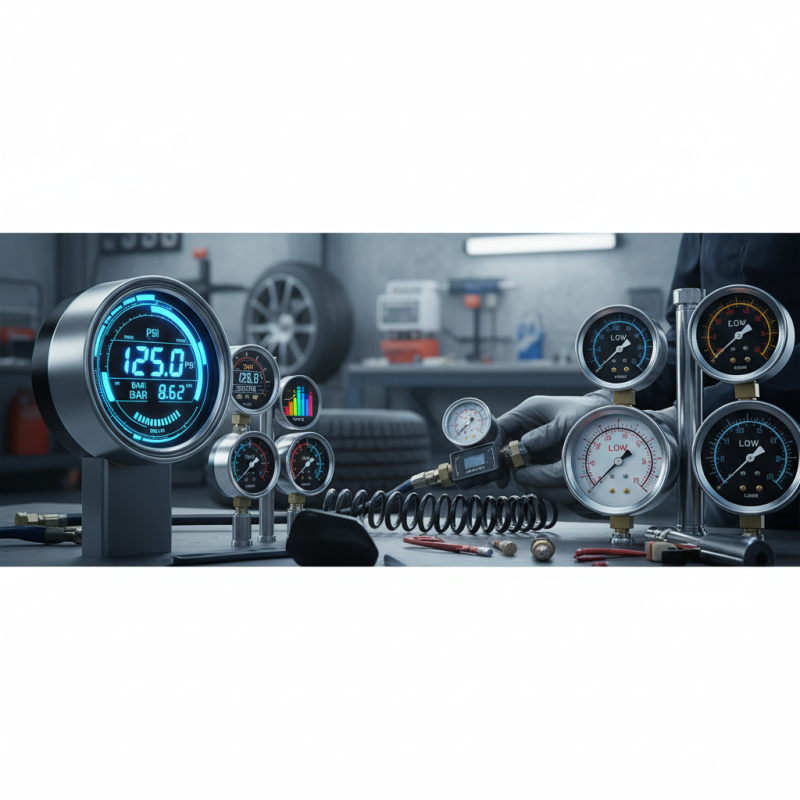
Understanding Different Types of Air Pressure Gauges Available in 2025
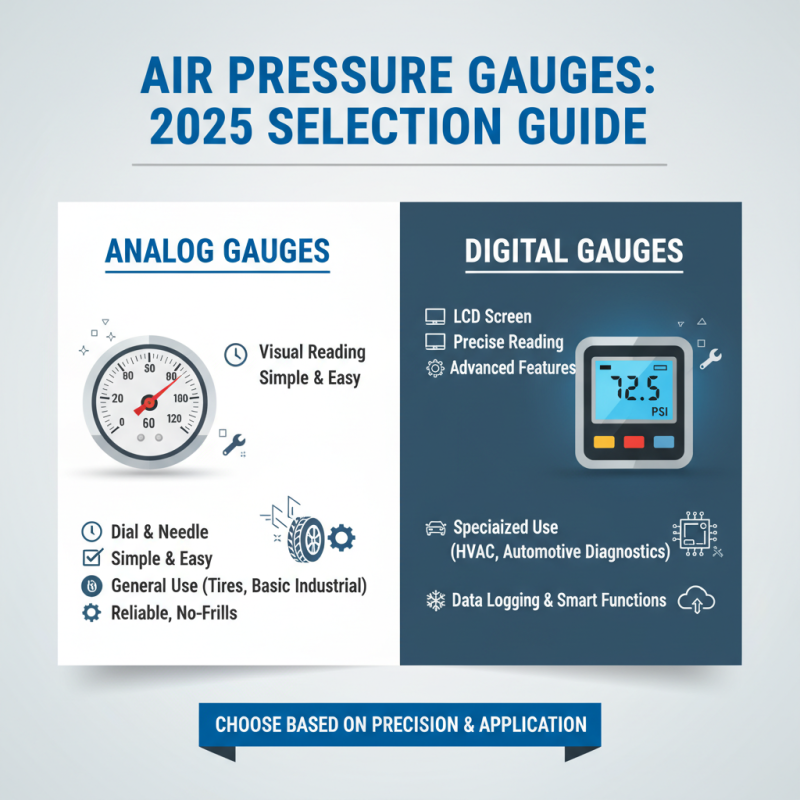
When selecting an air pressure gauge, it's essential to understand the various types available in 2025. Analog gauges, characterized by their dial and needle, provide a visual representation of pressure readings. They are often favored for their simplicity and ease of use, making them suitable for general applications such as tire inflation or basic industrial tasks. The mechanical components of analog gauges make them reliable for users who prefer straightforward, no-frills tools.
Digital gauges have gained popularity due to their advanced features and precision. Equipped with electronic sensors, these gauges offer precise measurements displayed on a digital screen. Users can benefit from features like memory storage, backlighting for low-light situations, and optional Bluetooth connectivity for easy data tracking or sharing. Digital gauges are ideally suited for more intricate tasks, such as in automotive diagnostics or specialized industrial environments, where accuracy is paramount.
Another category to consider is the specialized gauges, including those designed for high-pressure environments or specific applications like HVAC systems. These gauges often come with unique calibrations and durable materials to withstand extreme conditions. When choosing a pressure gauge, understanding the specific requirements of your tasks will help determine the best type that suits your needs. Whether you require simplicity, precision, or specialized capabilities, the available options in 2025 cater to a wide range of applications.
Key Features to Consider When Choosing an Air Pressure Gauge
When selecting the best air pressure gauge for your needs, there are several key features to consider that will ensure you make a well-informed choice. First, accuracy is paramount. Look for gauges that offer a high degree of precision, ideally within ±1% of the reading. This can significantly impact the performance of your tools and machinery, contributing to better efficiency and safety.
Another important feature is durability. Depending on your application, you may need a gauge that can withstand extreme conditions, such as high temperatures or exposure to moisture. A robust construction, such as stainless steel housing, can enhance longevity, making your investment worthwhile.
Tip: Always check if the gauge has an easy-to-read display. Analog gauges with large dials and digital gauges with backlit screens can help you obtain readings quickly and accurately without straining your eyes. Furthermore, consider additional functionalities, such as dual scale readings or built-in safety features, which can enhance the usability of the gauge in different settings.
Lastly, keep in mind the ease of calibration and maintenance. A gauge that allows for simple calibration procedures will save you time and hassle in the long run, ensuring your measurements remain reliable.
How Accuracy and Calibration Impact Your Gauge Selection
When selecting an air pressure gauge in 2025, the significance of accuracy and calibration cannot be understated. Research from the National Institute of Standards and Technology (NIST) suggests that a gauge's accuracy can significantly influence measurement reliability, often defining the quality of outcomes in industries like automotive and manufacturing. A minor deviation of just 1 PSI can lead to operational inefficiencies, highlighting the need for precision within ±0.5 PSI for most applications.
Calibration is equally critical, as it ensures the gauge provides consistent readings over time. Industry studies reveal that gauges which undergo regular calibration checks maintain accuracy levels above 98% over their lifespan. Neglecting calibration can result in undetected drift in readings, ultimately leading to costly errors in process management. For users in critical sectors, investing in a gauge certified to regular calibration standards significantly enhances operational efficiency and safety, emphasizing the importance of integrating precise measurement tools into workflows. When choosing an air pressure gauge, prioritize those that incorporate robust calibration practices to ensure sustained accuracy and reliability in your measurements.
Evaluating Durability and Design for Long-Term Use
When selecting an air pressure gauge, evaluating durability is crucial for ensuring reliable performance over time. A well-constructed gauge should be made from robust materials that can withstand the elements, especially if it will be used in harsh environments. Features such as protective casings or shock-resistant designs can greatly enhance the lifespan of the gauge. Additionally, checking for water or dust resistance can add to the durability, making the device suitable for various applications, from automotive work to industrial settings.
Design is another significant factor in the overall effectiveness of an air pressure gauge. A user-friendly design with clear, easy-to-read displays can improve efficiency, allowing users to take measurements quickly and accurately. Look for gauges that offer ergonomically designed grips for better handling, as well as those with intuitive controls that simplify operation. Consideration of size and weight is also important, particularly for portable models that need to be easily transported without compromising on display visibility or usability. Ultimately, a well-designed and durable air pressure gauge can enhance your experience and ensure consistent performance for years to come.
Air Pressure Gauge Durability and Design Evaluation
Comparing Price Points and Value for Your Needs
When considering the best air pressure gauge for your needs in 2025, understanding the balance between price and value is crucial. According to a recent industry report by the American Society for Testing and Materials (ASTM), the average price range for high-quality pressure gauges can vary significantly, from $15 for basic models to over $100 for advanced digital versions with enhanced features. Evaluating your specific requirements will help you determine whether you need a simple analog gauge or a more sophisticated digital option, ultimately guiding your budget decisions.
Tips: Before making a purchase, consider the accuracy specifications. Many consumers overlook the importance of precision, which is vital for tasks such as automotive maintenance or tire pressure checks. Look for a gauge with a calibration accuracy of at least ±1% to ensure reliable readings. Also, investigate the durability of the materials used in the gauge's construction; a robust design can withstand harsher conditions, which might justify a higher price point.
Additionally, consider the long-term value of your purchase. Gauges that may seem more expensive initially often provide better longevity and reliability, leading to cost savings over time. An analysis from the National Institute of Standards and Technology (NIST) indicates that investing in higher-quality equipment can result in performance improvements that decrease the need for frequent replacements. By weighing these factors, you can make an informed decision that best meets both your budget and your functional needs.
How to Choose the Best Air Pressure Gauge for Your Needs in 2025 - Comparing Price Points and Value for Your Needs
| Gauge Type |
Accuracy |
Price Range |
Features |
Best Use Cases |
| Digital Gauge |
±1% |
$20 - $50 |
Backlit display, Auto-off |
General home use, automotive |
| Analog Gauge |
±2% |
$10 - $30 |
Simple dial, no batteries |
Basic tire checks, low-budget use |
| Precision Gauge |
±0.5% |
$50 - $150 |
Calibration options, high durability |
Professional settings, industrial use |
| Smart Gauge |
±0.5% |
$100 - $250 |
Bluetooth, app integration |
High-tech automotive use, data recording |