Why Choose Electric Parking Brake Calipers for Your Vehicle?
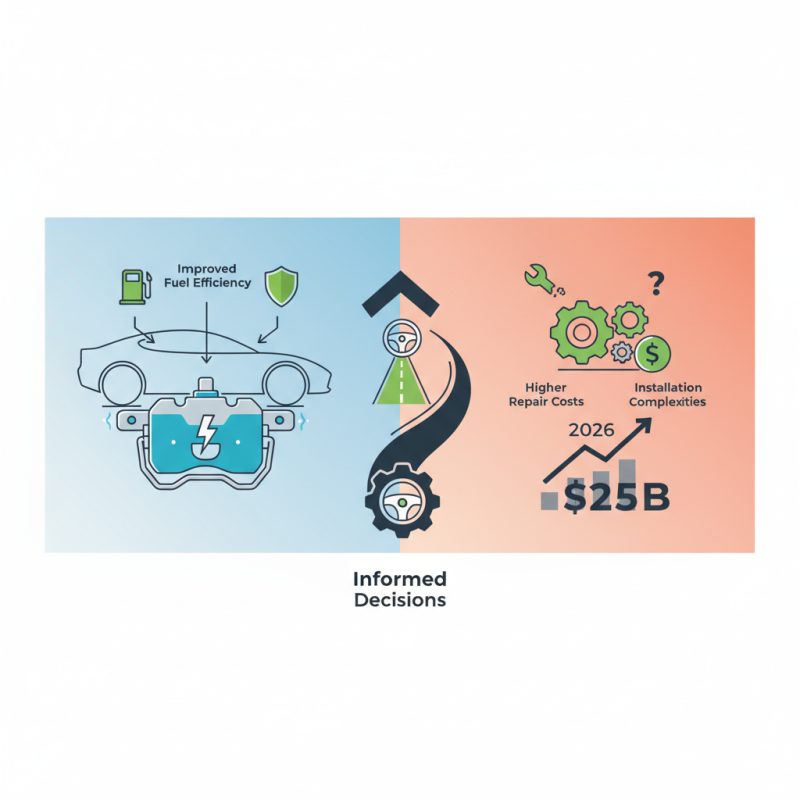
As the automotive industry evolves, the choice of braking systems becomes crucial. Recent reports indicate that the adoption of Electric Parking Brake Calipers is rising rapidly. By 2026, the global electric brake market is projected to reach $25 billion, reflecting an increasing preference for advanced braking technologies.
Electric Parking Brake Calipers offer multiple benefits. They reduce weight compared to traditional hydraulic systems, improving fuel efficiency. Additionally, they enhance the vehicle's overall safety profile through better control and reliability. However, challenges remain. Some vehicle owners report higher repair costs and potential complexities in installation. This raises important considerations about long-term maintenance and serviceability.
The transition to Electric Parking Brake Calipers signifies a shift in industry standards. Understanding these options requires a careful evaluation of both performance and practicality. As more manufacturers integrate these systems, consumers must weigh the advantages against potential drawbacks. Making informed decisions will ultimately contribute to safer and more efficient driving experiences.
Benefits of Electric Parking Brake Calipers Over Traditional Systems
Electric parking brake calipers offer numerous advantages over traditional systems. These advanced components enhance vehicle performance and safety. They utilize an electric actuator instead of a mechanical lever. This change simplifies the design and reduces weight, leading to better efficiency.
One notable benefit is reliability. Electric calipers operate with precise control. They also require less maintenance than their mechanical counterparts. Traditional systems can wear down over time, leading to malfunctions. Electric systems, however, provide consistent performance. They can respond quickly to driver commands, ensuring that your vehicle is securely parked.
Another significant factor is the space-saving design. With electric parking brake calipers, there’s more room for additional features. This design flexibility allows for innovative interior layouts and improved comfort. However, it's important to consider installation complexity. Electric systems may require specialized knowledge, which could increase workshop time. Overall, these calipers represent a modern solution to parking brake technology.
How Electric Parking Brake Calipers Enhance Vehicle Safety Features
Electric parking brake calipers are gaining traction in modern vehicles due to their significant contribution to safety features. These calipers use an electric motor to engage and disengage the parking brake. According to a report by the Automotive Research Center, vehicles equipped with electric parking brakes show a 20% decrease in parking-related incidents. This is largely attributed to the precision and consistency in braking strength provided by these systems.
One notable safety enhancement is the automatic engagement feature in emergency situations. When the vehicle detects an incline, the electric brake system activates automatically. Data indicates that this feature reduces the chances of roll-aways by over 30%. However, it is essential to acknowledge potential drawbacks, such as battery dependency. If the battery fails, the braking system may not function correctly.
Moreover, the integration of these calipers into vehicle design allows for more space-efficient setups. This opens up possibilities for manufacturers to enhance other safety features, such as advanced driver-assistance systems (ADAS). However, the reliability of these systems can vary across models, requiring continuous industry evaluation. Understanding these nuances helps consumers make informed decisions about vehicle safety technology.
Why Choose Electric Parking Brake Calipers for Your Vehicle? - How Electric Parking Brake Calipers Enhance Vehicle Safety Features
| Feature | Benefit | Safety Enhancement | Maintenance |
| Ease of Use | Automatic application and release | Reduces risk of driver error | Lower wear on mechanical components |
| Compact Design | Saves space in the braking system | Improves overall vehicle design | Simplified installations |
| Adaptive Functionality | Integrates with vehicle systems | Enhanced environmental responsiveness | Fewer mechanical adjustments needed |
| Diagnostic Capability | Real-time system monitoring | Identifies issues before they arise | Easier troubleshooting |
| Customization Options | Tailored to various vehicle types | Meets unique safety requirements | Flexible installation choices |
Performance Improvements with Electric Parking Brake Calipers in Modern Vehicles
Electric parking brake calipers are transforming how modern vehicles perform. They integrate advanced technology for better efficiency. The ability to activate brakes electronically allows for a more precise control. This leads to improved safety and responsiveness on the road.
These calipers offer several performance benefits. They can reduce brake wear due to their consistent application pressure. Additionally, the elimination of a mechanical linkage means fewer moving parts, which often results in reduced maintenance needs. However, integrating these systems can be complex and requires skilled technicians to troubleshoot issues that may arise. It’s vital for vehicle owners to understand the technology to fully leverage its benefits.
While electric parking brakes enhance overall vehicle performance, they are not without their challenges. Software glitches or sensor failures may create unexpected issues. Even skilled drivers may find themselves needing to recalibrate systems occasionally. Being informed about these potential drawbacks is essential for maximizing the advantages of electric parking brake calipers.
Cost Efficiency and Maintenance Savings of Electric Parking Brake Systems
Electric parking brake calipers are becoming increasingly popular in modern vehicles. They offer significant cost efficiency over traditional systems. The components used in electric systems generally require less frequent replacements. This reduces long-term maintenance costs. With fewer moving parts, the likelihood of mechanical failure decreases, saving you time and money.
Many drivers appreciate the ease of use that electric parking brakes provide. Engaging the brake is often as simple as pressing a button. However, there are some complexities in their electronic systems. Diagnostic tools may be necessary for troubleshooting. This can mean extra costs if repairs are needed. Still, the overall maintenance savings often outweigh these potential concerns.
While electric parking brake systems show promise, they are not without their drawbacks. Initial installation can be more expensive compared to traditional systems. Users might face a learning curve adjusting to the new technology. Despite these challenges, the long-term benefits are compelling. Investing in an electric parking brake can enhance both efficiency and reliability.
Environmental Impact and Energy Efficiency of Electric Parking Brake Solutions
Electric parking brake (EPB) calipers are gaining attention for their environmental benefits and energy efficiency. Unlike traditional mechanical systems, EPB calipers utilize electric motors. This technology reduces reliance on physical components that may wear out over time. As a result, maintenance needs decrease, promoting better resource use.
The energy consumption of electric parking brakes is relatively low. They activate only when needed, saving battery power and extending vehicle range. This aspect is crucial in an era where we strive to minimize our carbon footprint. However, the environmental impact is not entirely positive. Manufacturing and disposing of electronic components carry their own ecological concerns.
Choosing electric parking brake systems can lead to a more efficient vehicle experience. Drivers may appreciate the smoother operation, but they should also consider the complexities involved. The technology is evolving rapidly, and customers need to stay informed. As we transition to electric solutions, the balance between innovation and sustainability must be maintained.