How to Choose China Top Dry Type Transformer Supplier?

Choosing China’s top dry type transformer supplier requires more than comparing quotations or browsing polished product pages. A reliable decision begins with evidence: factory experience, engineering capability, production capacity, and verified project performance. The right partner should explain why a Dry-Type Transformer suits your voltage level, load profile, installation environment, and maintenance plan.

Look beyond sales claims. Ask to review factory certifications, routine test reports, quality-control procedures, and material traceability records. A serious supplier can discuss winding insulation, temperature rise, noise levels, enclosure protection, and partial discharge testing in clear technical language. If possible, inspect the production line. Notice the winding machines, curing ovens, testing equipment, and how finished units are protected before shipment. Small details often reveal process discipline.

Price still matters. It should not lead the decision alone. A lower offer may exclude testing, spare parts, site support, or proper packaging. Clarify standards, delivery terms, warranty coverage, and after-sales response times before signing anything. Ask for references from projects with similar operating conditions, not only famous customers.

No supplier is flawless. No checklist catches everything. That is why practical communication matters. A capable manufacturer admits limitations, documents corrective actions, and adjusts designs when site data changes. The strongest choice combines competitive cost with dependable engineering, consistent quality, and transparent service. This guide explains how to compare Chinese suppliers carefully and identify a partner that can support safe, stable transformer operation over many years.
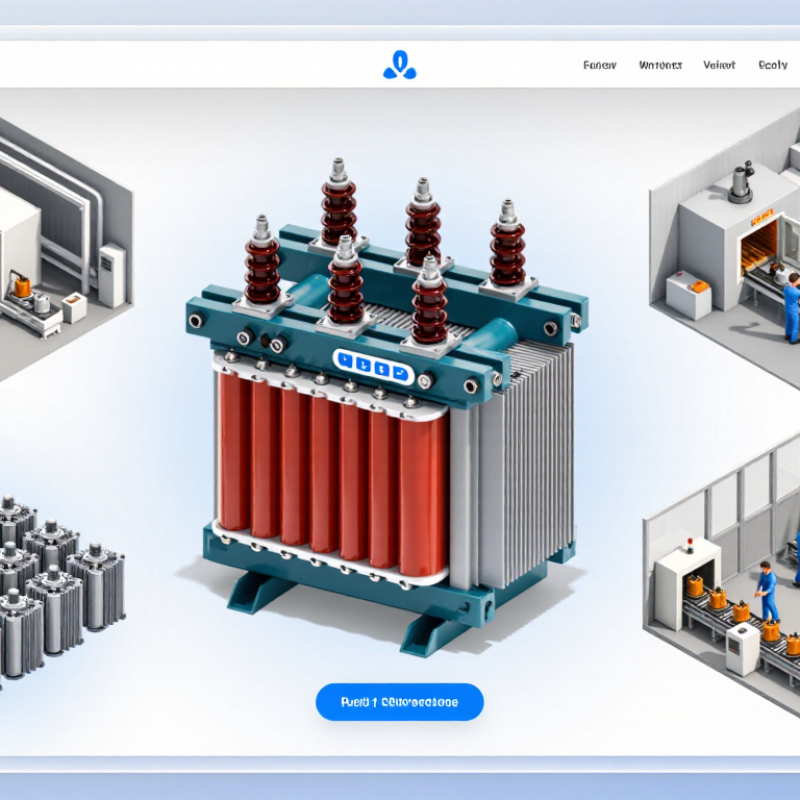
How to Choose China Top Dry Type Transformer Supplier?

What Is a Dry Type Transformer and Why Supplier Choice Matters

A dry type transformer transfers electrical energy without liquid insulation oil. Its windings use air, resin, or solid insulation instead. This design reduces leakage risks and suits hospitals, factories, offices, and indoor substations. However, it still needs correct ventilation, load planning, and regular temperature checks. A compact room can become dangerously hot if engineers ignore airflow.

Choosing a reliable China dry type transformer supplier requires more than comparing prices. Ask for verified manufacturing experience, technical drawings, routine test reports, and clear material specifications. Important details include rated capacity, voltage ratio, insulation class, cooling method, noise level, and short-circuit performance. A professional supplier should explain these choices in practical language. They should also support site surveys, installation guidance, and after-sales troubleshooting.

Inspect the factory process when possible. Look for controlled winding, resin casting, curing, and final testing. Request evidence from qualified laboratories or recognized certification systems. A polished website proves little. Real reliability appears in traceable documents and consistent communication. No supplier is perfect. I would still question vague delivery promises, unexplained price gaps, and test reports without model numbers. A strong partner discusses risks early, even when that slows the quotation. That honesty can protect equipment, budgets, and people long after shipment.

Which Technical Specifications Should You Compare

How to Choose China Top Dry Type Transformer Supplier?

When comparing suppliers, start with the transformer’s actual duty, not the catalogue name. Check rated capacity, primary and secondary voltage, frequency, phase, and connection group. These figures must match your load profile and distribution design.

Compare insulation class, temperature rise, cooling method, and permissible ambient temperature. For indoor projects, review enclosure protection, noise level, and fire performance. For humid or dusty sites, ask about moisture protection and the required IP rating. Impedance affects voltage regulation and short-circuit stress. A small difference can change system performance. Review no-load loss and load loss, because efficiency becomes expensive over years. Do not compare only the purchase price.

Ask for routine test records and type-test evidence under applicable IEC or equivalent standards. Useful documents include winding resistance, ratio, insulation resistance, applied voltage, induced voltage, and partial-discharge results. Request material details for copper or aluminium windings, core steel, resin, and cooling fans. Factory acceptance testing should use calibrated instruments. Witness testing is valuable when the project is critical.

Supplier reliability also depends on design review, traceability, delivery control, and service response. Ask how the supplier handles abnormal temperature, vibration, or fan failure. Some technical sheets look complete but omit altitude correction or harmonic loading. That omission matters. A practical comparison table helps, although it can still hide installation problems. Recheck every value against site drawings, measured loads, and local conditions. The best supplier is not always the one with the highest rating. It is the one that explains limits clearly and supports the documented design.

How to Evaluate a Chinese Transformer Manufacturer

How to Choose China’s Top Dry Type Transformer Supplier

How to Evaluate a Chinese Transformer Manufacturer

A reliable evaluation starts with engineering evidence, not attractive brochures. Check whether the manufacturer designs transformers for your voltage, load profile, altitude, and cooling conditions. Ask for recent test reports covering insulation resistance, temperature rise, partial discharge, and noise levels. Reports should identify the tested model clearly.

Inspect the factory if possible. Observe coil winding, resin casting, curing, and final assembly. Clean work areas matter. So does process discipline. Ask how workers record resin temperature, curing time, and conductor dimensions. A digital traceability system is useful, but paper records can work when they are complete and controlled. Small gaps can become expensive failures.

Confirm compliance with applicable IEC or Chinese standards, then verify certificates through the issuing organization. Request design drawings, routine test procedures, quality records, and calibration dates. An independent laboratory can review critical results. Do not rely only on documents supplied by sales staff. Speak with recent customers about delivery accuracy, installation support, warranty response, and spare parts.

A careful supplier should explain risks openly. For example, a compact enclosure may increase heat accumulation. A low price may reflect thinner insulation or limited testing. That is not always true, but it deserves questions. Review contract terms for acceptance tests, packaging, moisture protection, and responsibilities after shipment. One practical lesson remains uncomfortable: a successful factory visit does not guarantee every future batch. Ongoing inspections still matter.

How to Choose a Top Dry Type Transformer Supplier in China

Recommended evaluation weights for comparing manufacturers without relying on brand or company names.

The evaluation model prioritizes compliance with IEC 60076 requirements, documented routine and type testing, design suitability, energy performance, operational safety, after-sales support, delivery reliability, and total cost. Buyers should verify certificates, test reports, technical drawings, loss data, warranty terms, and project references before making a final supplier decision.

What Quality, Safety, and Certification Evidence to Check

How to Choose China’s Top Dry Type Transformer Supplier: What Quality, Safety, and Certification Evidence to Check

A credible supplier should provide more than a polished certificate. Request the factory’s ISO 9001 scope, production records, and laboratory accreditation. The testing laboratory should comply with ISO/IEC 17025. For dry type transformers, check conformity with IEC 60076-11 and relevant fire-resistance requirements. Ask for routine test reports linked to the transformer’s serial number. Generic reports are weak evidence.

Safety evidence should include insulation resistance, winding resistance, induced voltage, partial discharge, temperature-rise, and dielectric tests. Request type-test records for short-circuit strength and impulse withstand. These tests reveal design capability, not only final assembly quality. The U.S. Department of Energy estimated that improved distribution-transformer efficiency could save about 3.63 quadrillion Btu over 30 years. Therefore, compare no-load and load losses at the same rating, voltage, and temperature. A small efficiency claim can hide different test conditions.

Look closely at materials. Confirm copper or aluminum conductor specifications, insulation class, resin data, and flame-performance documentation. Traceability should reach the coil, core steel, sensors, and curing batch. Certification marks may be valid, but they do not prove every shipment is perfect. That is an uncomfortable gap. Arrange an independent pre-shipment inspection, witness selected tests, and review nonconformity records. Some suppliers resist sharing failed-test data. That hesitation deserves a second question.

How to Choose China Top Dry Type Transformer Supplier? - What Quality, Safety, and Certification Evidence to Check

No. Evaluation Dimension Evidence to Request What to Verify Acceptance Guidance Weight
1 Applicable Product Standard Product datasheet, technical specification, and compliance statement referencing IEC 60076-11 or the applicable national standard. The standard edition, rated power, voltage ratio, frequency, insulation level, vector group, cooling method, and enclosure rating are clearly identified. All parameters match the project requirement and the applicable installation regulations. 12%
2 Routine Test Capability Sample routine test reports for each transformer or production batch, including winding resistance, ratio, polarity or phase displacement, impedance, no-load loss, load loss, and dielectric tests. Reports contain serial numbers, test dates, measured values, instruments, applicable limits, signatures, and traceable calibration records. No blank fields or unexplained deviations; results comply with the approved design and standard. 15%
3 Type and Special Tests Independent or witnessed reports for temperature-rise, lightning impulse where applicable, partial discharge, sound level, short-circuit withstand, and environmental tests. The tested design is representative of the proposed transformer, including insulation system, enclosure, cooling arrangement, and rated power range. Tests are performed by a competent laboratory or qualified facility using recognized procedures. 14%
4 Insulation and Partial Discharge Performance Insulation-system data, partial-discharge test results, dielectric test records, and the specified discharge limit at the agreed test voltage. Test voltage, measurement method, background noise, discharge level, and acceptance criteria are recorded rather than shown only as “pass.” Values meet the approved project specification and applicable standard requirements. 10%
5 Thermal and Fire Safety Insulation-system classification, temperature-rise results, fire-performance documentation where required, and cooling or ventilation recommendations. The insulation system is suitable for the installation environment, altitude, ambient temperature, humidity, and fire-safety requirements. No unsupported “fireproof” claim; the supplier provides recognized test evidence and installation limits. 10%
6 Losses and Energy Efficiency Guaranteed no-load loss, load loss, impedance, sound level, tolerance statement, and calculation basis for the declared efficiency. Loss values are stated at the correct reference temperature and load condition, with tolerances and test methods identified. Guaranteed values are included in the contract or purchase specification. 9%
7 Quality Management System Valid ISO 9001 certificate issued by an accredited certification body, quality manual summary, inspection and test plan, and nonconformance procedure. The certificate scope covers design, manufacture, testing, or supply of electrical transformers and remains valid at the time of order. A management-system certificate is treated as supporting evidence, not as proof of product performance. 8%
8 Factory and Laboratory Resources Factory audit records, production-flow description, equipment list, laboratory capability statement, calibration certificates, and inspection personnel qualifications. The facility can perform or control winding, casting or impregnation, assembly, final testing, and traceability activities. Critical tests and processes are controlled in-house or through documented qualified subcontractors. 8%
9 Regulatory and Market Certifications Applicable conformity documents such as CE or other market-required declarations, and China Compulsory Certification evidence where the product category and destination regulations require it. The certificate applies to the exact product family, voltage range, manufacturing location, and destination market. Confirm legal applicability; do not accept a generic logo or certificate unrelated to the supplied transformer. 7%
10 Materials and Traceability Material certificates or incoming inspection records for conductor, core steel, insulation materials, resin, terminals, sensors, and enclosures. Material batch numbers are linked to production records and final transformer serial numbers. Critical material substitutions require documented approval before production. 5%
11 Environmental and Occupational Safety ISO 14001 and ISO 45001 certificates where relevant, environmental controls, worker-safety procedures, and hazardous-material handling records. Certificates are valid and scoped to the manufacturing site; environmental claims are supported by documented procedures. Use these certifications to assess management controls, not as substitutes for electrical product tests. 4%
12 Warranty and After-Sales Support Written warranty period, exclusions, spare-parts list, installation guidance, commissioning procedure, response time, and service escalation process. Responsibilities for transport damage, storage, installation, testing, defects, and replacement parts are clearly assigned. Support terms are contractual and include measurable response obligations. 5%
Total Evaluation Weight 100%
Procurement rule: Verify certificates and test reports against the exact transformer model, rating, manufacturing site, and applicable destination-market requirements. Product-specific test evidence should carry more weight than general management-system certificates.

How to Compare Prices, Services, Delivery, and Long-Term Support

Choosing a top dry type transformer supplier in China requires more than comparing the lowest quotation. Price must match the actual specification. Check rated capacity, voltage ratio, insulation class, cooling method, enclosure rating, and copper or aluminum winding material. A 1,000 kVA quotation may exclude sensors, cabinets, testing, or export packaging. Ask for an itemized offer. It exposes hidden costs.

Service quality becomes visible before the purchase. A capable supplier should review load data, installation space, altitude, and operating temperature. Request routine test reports, design drawings, and inspection records. Factory acceptance testing can confirm temperature rise, insulation resistance, and noise performance. Clear communication matters. Delayed technical replies often become expensive site problems.

Delivery promises need evidence, not optimism. Confirm production time, test dates, packing details, and shipping documents in writing. Ask how the supplier handles damaged parts or missed deadlines. Long-term support should include a practical warranty process, spare fans, sensors, and troubleshooting guidance. Response time should be stated clearly. A supplier may offer a longer warranty, yet provide weak after-sales support. That difference is easy to miss. My own comparison mistake was focusing too heavily on the initial price. The cheapest offer was not the cheapest project after installation changes and delayed replacement parts.񟿿