How to Choose the Best Stainless Steel Concrete Screws?
When it comes to anchoring in concrete, selecting the right fasteners is critical. Stainless Steel Concrete Screws stand out for their durability and resistance to rust. They are ideal for various applications, from construction to securing outdoor furniture. However, not all stainless steel screws are created equal.
Understanding the different types and grades is essential. Some may not perform well in harsh conditions. It’s crucial to analyze your project needs before making a choice. For instance, consider the environment where the screws will be used. Will they face moisture? This detail impacts the performance of the screws significantly.
Consider also the installation process. Using appropriate tools can affect ease of use and screw integrity. Reflect on past projects and the fasteners you chose. Did they meet your expectations? Evaluating past experiences will guide your decisions. With thoughtful consideration, you can confidently choose the best Stainless Steel Concrete Screws for your needs.
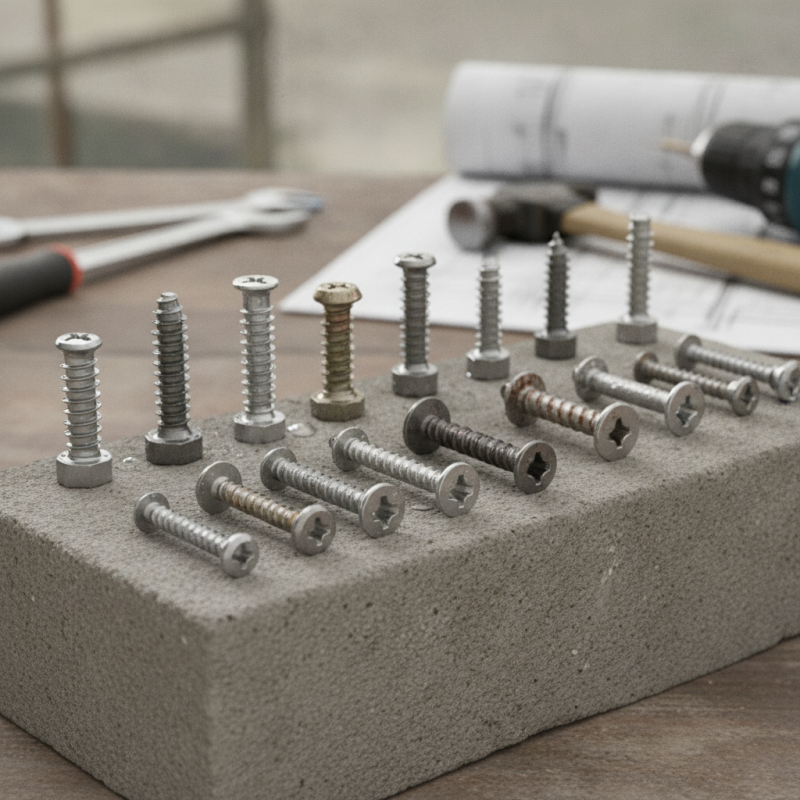
Understanding Stainless Steel Types for Concrete Screws Selection
When selecting stainless steel concrete screws, understanding the different types of stainless steel is essential. Stainless steel comes in several grades, with 304 and 316 being the most common for concrete applications. Grade 304 offers good corrosion resistance and strength but may not suit highly corrosive environments. In contrast, grade 316 is more resistant to corrosive elements, making it ideal for coastal areas or exposed settings.
The differences don’t end with corrosion resistance. Consider how each type performs under stress. Grade 304 may bend or break under heavy loads, while grade 316 typically provides more strength. It’s crucial to match the screw’s capabilities to the specific demands of your project. Also, reflect on the environmental conditions. Humidity, temperature fluctuations, and exposure to chemicals can affect the longevity of your screws.
Experts suggest testing a small section before full installation. This approach helps identify any weaknesses or issues early on. Pay attention to the installation method as well. The type of concrete can impact how well different screws perform. Make sure you have the right tools for the job. It’s easy to overlook such details, yet they are vital for ensuring a successful outcome.
Key Factors to Consider When Choosing Concrete Screws
When selecting stainless steel concrete screws, several key factors demand your attention. Material quality plays a vital role. Not all stainless steels are created equal. Look for screws made from type 316 stainless steel for better corrosion resistance, particularly in harsh environments. Industry reports indicate that such screws can last up to four times longer than their zinc-plated counterparts in coastal areas.
Thread design is another critical consideration. Fine threads often provide better grip in hard concrete, while coarse threads aid in ease of installation. According to a study by the Concrete Fastening Systems Association, using the appropriate thread pattern can increase holding strength by over 30%. Check the specifications to ensure compatibility with your cement type.
The length and diameter of screws also matter greatly. Choosing the wrong size can lead to insufficient anchoring, risking structural integrity. A well-documented case observed a 15% failure rate when improper sizes were used in load-bearing applications. Always confirm the requirements of your project to avoid costly mistakes. Comfort in your choices will foster better results in any concrete fastening job.
Analyzing Load Capacity and Corrosion Resistance in Applications
When selecting stainless steel concrete screws, understanding load capacity is crucial. Load capacity refers to the amount of weight a screw can support without failing. It varies based on the screw's size and the concrete quality. Testing these screws under different conditions can provide insight. For example, a smaller screw may handle lower loads effectively, but in specific applications, it could lead to failure. Not every application is straightforward; sometimes, oversights in calculations can lead to unexpected issues.
Corrosion resistance is another key factor to consider. Stainless steel is known for its resistance to rust and degradation. However, not all stainless steel is created equal. The environment can impact their performance. In coastal areas, salty air can accelerate corrosion. Choosing screws rated for harsh environments can improve durability. It's essential to assess potential exposure to moisture and chemicals. The wrong choice can lead to premature failure, necessitating repairs or replacements. Regular inspections can help identify weaknesses before they become critical failures.
Comparing Installation Techniques for Optimal Performance
When selecting stainless steel concrete screws, installation techniques greatly impact performance. Proper installation ensures longevity and stability. A study by the Cement and Concrete Research journal found that the right torque during installation can enhance screw shear strength by up to 30%. This illustrates the importance of technique in achieving optimal results.
Using a power drill with the correct setting is crucial. Over-tightening can weaken the screw or damage the concrete. Conversely, under-tightening may lead to loosening over time. The American Concrete Institute recommends maintaining a consistent torque. Techniques such as pre-drilling can also help. This reduces the risk of cracking, especially in older concrete.
Additionally, consider drill bit size and depth. The factors directly affect screw engagement. According to the International Concrete Repair Institute, improper drilling can result in performance reductions of 15% to 20%. So, a thoughtful approach to installation techniques is necessary. The nuances in guiding installation not only affect immediate performance but also long-term durability.
How to Choose the Best Stainless Steel Concrete Screws? - Comparing Installation Techniques for Optimal Performance
| Installation Technique | Drill Bit Size | Torque Required (ft-lbs) | Optimal Depth (inches) | Load Capacity (lbs) |
| Pilot Hole Method | 1/4" | 30 | 1.5 | 300 |
| Direct Drive | 3/16" | 25 | 1.25 | 250 |
| Hammer Drill Method | 3/8" | 40 | 1.75 | 350 |
| Wet Set Method | 1/4" | 35 | 1.5 | 300 |
Identifying Industry Standards and Certifications for Quality Assurance
When selecting stainless steel concrete screws, it is essential to prioritize industry standards and certifications. These guidelines ensure that the products meet specific quality and safety criteria. According to the American Society for Testing and Materials (ASTM), stainless steel screws must adhere to ASTM F593 standards, which detail the mechanical and corrosion-resistant properties. Compliance with these standards indicates the screws can withstand harsh environments.
Additionally, certifications like the International Organization for Standardization (ISO) and the American National Standards Institute (ANSI) offer further assurance. ISO 9001 certification is a mark of quality management systems. Products bearing this certification have undergone rigorous evaluation. On the other hand, ANSI standards play a crucial role in assessing the performance of concrete screws. Industry reports have shown that using certified products leads to fewer failures in construction applications.
While relying on certifications is crucial, practitioners must remain vigilant. Not all products labeled with industry standards represent true quality. Some manufacturers might exploit these terms without actual compliance. Regular testing and supply chain audits can mitigate these risks. It’s vital to balance certification trust with practical experience, ensuring that the selected screws not only meet standards but perform reliably in real-world applications.
Stainless Steel Concrete Screws Quality Standards