How to Choose the Right Wheel Hub Bearing for Your Vehicle?
Choosing the right Wheel Hub Bearing for your vehicle is crucial. An industry expert, Dr. Robert Greene, emphasizes, “A quality Wheel Hub Bearing ensures safety and performance.” The bearing affects how your vehicle handles and responds on the road.
Selecting the correct Wheel Hub Bearing requires understanding the specifications of your vehicle. Each vehicle type may have different requirements. Without proper knowledge, you risk poor performance or even damage. It’s essential to consider the brand, materials, and design of the bearings available.
Moreover, many car owners overlook the importance of Wheel Hub Bearings during maintenance. Regular inspections can prevent costly repairs. High-quality bearings can reduce road noise and provide stability. However, not all bearings are created equal. Some may seem cheaper but compromise reliability. Recognizing the value of investing in the right Wheel Hub Bearing is vital for vehicle longevity.
Understanding Wheel Hub Bearings and Their Importance
Wheel hub bearings play a crucial role in vehicle performance. These components support the weight of the vehicle and facilitate smooth wheel rotation. A study from the National Highway Traffic Safety Administration highlights that nearly 15% of all vehicle crashes are related to wheel issues, including bearing failures. This statistic underlines the importance of choosing the right wheel hub bearing for your vehicle.
Proper maintenance of wheel hub bearings can prevent costly repairs. According to industry data, the average lifespan of these bearings is around 85,000 miles. However, factors such as driving conditions and load can significantly affect this lifespan. For instance, frequent off-road driving may lead to faster wear. Regular inspections are essential to catch early signs of wear, such as noise or vibration. These indicators often go unnoticed until they escalate into serious problems.
Selecting the right bearing involves understanding your vehicle's specific requirements. Not every bearing will fit every vehicle. Various types of bearings exist, each with unique specifications. Consulting with automotive professionals can provide valuable guidance. They can help you assess your driving habits and vehicle demands.
Identifying Signs of Wheel Hub Bearing Failure
When it comes to wheel hub bearing failure, recognizing the signs is crucial for vehicle safety. Common signs include unusual noises. A grinding or rumbling sound while driving may indicate an issue. Vibration can also serve as a warning. If the steering wheel shakes, it might suggest worn bearings. These symptoms shouldn't be ignored; they can worsen over time.
Another telltale sign is uneven tire wear. If one side of your tires appears more worn than the other, your wheel bearings might be failing. Additionally, if you notice excessive play in your wheel when it’s jacked up, this is a clear red flag. Regular inspections can prevent sudden breakdowns, and addressing these concerns promptly is essential.
Don’t wait until the problem escalates. Understanding these indicators will help in deciding when to replace your wheel hub bearing. A proactive approach can save you from costly repairs down the line. Take the time to listen and observe your vehicle’s behavior. It’s always better to be safe than sorry.
Factors to Consider When Selecting a Wheel Hub Bearing
When selecting a wheel hub bearing, several factors must be considered to ensure optimal performance. The type of vehicle plays a critical role. Different vehicles require different specifications. For instance, larger trucks may need heavy-duty bearings, while compact cars benefit from lighter options. According to industry data, nearly 30% of all vehicle noises are attributed to wheel bearings. This highlights the importance of quality in your selection.
Material quality is another vital factor. High-grade steel typically offers better longevity and resistance to wear. A study from the Automotive Engineering Society showed that bearings made from premium materials can outperform standard ones by up to 40% in durability tests. Misalignment is a common issue, often stemming from improper installation or inadequate bearing choice. This can lead to premature failure, which is costly and inconvenient.
Lubrication type is also essential. Bearings with proper lubrication last significantly longer. Many manufacturers recommend specific lubricants based on bearing design. Not all types are compatible, so thorough research is necessary. Consider also the bearing’s design and geometry, as these affect performance. While it's tempting to choose based purely on price, this could lead to long-term problems. Balancing cost and quality is crucial for lasting results.
Comparing Different Types of Wheel Hub Bearings
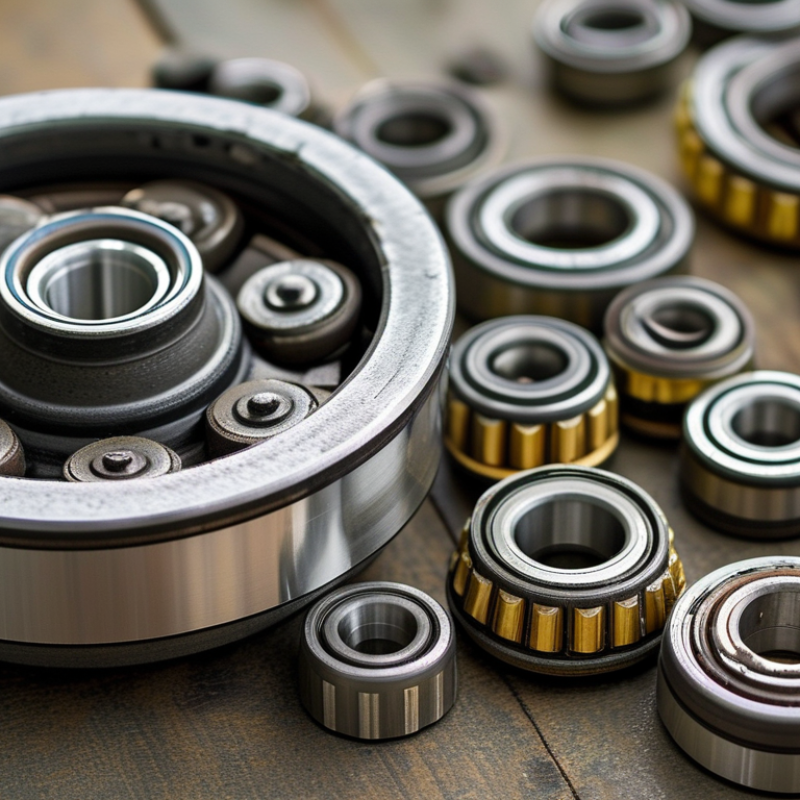
When choosing a wheel hub bearing for your vehicle, consider various types available. Common options include ball bearings, roller bearings, and tapered bearings. Each type has unique advantages. Ball bearings work well for smaller loads and offer lower friction. Roller bearings are ideal for heavier loads, providing greater stability. Tapered bearings combine features, allowing for both radial and axial loads, making them versatile.
Tips: Always consult your vehicle’s manual for specifications. It helps to know the weight and driving conditions you typically encounter. Some bearings perform better in specific environments.
Compatibility is crucial. Not all bearings fit every vehicle. Research manufacturer specifications carefully. An incorrect fit can lead to performance issues. Be aware of noise and vibration signs. These may indicate a failing bearing. Regular maintenance checks can prevent expensive repairs later. Assessing your vehicle periodically is beneficial for overall performance.
Wheel Hub Bearing Types and Their Popularity
Installation and Maintenance Tips for Wheel Hub Bearings
When installing wheel hub bearings, proper technique is essential. Start by ensuring you have the right tools and a clean workspace. Remove the wheel and brake components carefully. Pay attention to the order of disassembly; this helps during reassembly.
Inspect the new bearing thoroughly. Look for any signs of damage or debris. Installing a damaged bearing can lead to future issues. Lubrication is critical. Use the recommended grease to ensure smooth operation. Apply it generously but avoid overdoing it.
After installation, check for proper alignment. Misalignment can cause uneven wear. It's also crucial to torque all bolts to the manufacturer’s specifications. Regular maintenance checks can prevent costly repairs down the line. Listen for unusual noises while driving. This could indicate issues with the bearings. Timely inspections will save you headaches later.