1-800-868-2450
My Account | Cart | Checkout
China’s oil and gas equipment sector includes many valve manufacturers serving pipelines, refineries, LNG facilities, and petrochemical plants. This guide introduces ten notable companies associated with the Oil And Gas Valve market in China. It focuses on practical selection factors, not promotional claims.
The review considers product range, manufacturing capability, quality systems, export experience, and application knowledge. Key valve types may include ball, gate, globe, check, butterfly, and control valves. Their performance matters at wellheads, compressor stations, storage terminals, and process lines. A reliable supplier should provide clear material specifications, pressure ratings, testing records, and traceable documentation. Details such as stainless-steel trim, forged bodies, fire-safe design, and low-temperature service can affect long-term safety. API, ASME, ISO, and other applicable standards may support evaluation, but certification claims should be verified directly with each manufacturer.
Real purchasing work is rarely perfect. Public information can be incomplete, translated inconsistently, or updated slowly. Some companies show strong export portfolios but provide limited technical data. Others offer detailed catalogs while giving less evidence of field performance. Therefore, this list should support further due diligence rather than replace it. Buyers should request recent references, factory audit access, inspection plans, warranty terms, and after-sales response details. A small documentation gap can become a major project delay. The best choice depends on media, temperature, pressure, installation location, maintenance expectations, and local compliance requirements. Market rankings also change. This guide reflects available information and practical comparison points, not an absolute judgment of every manufacturer.
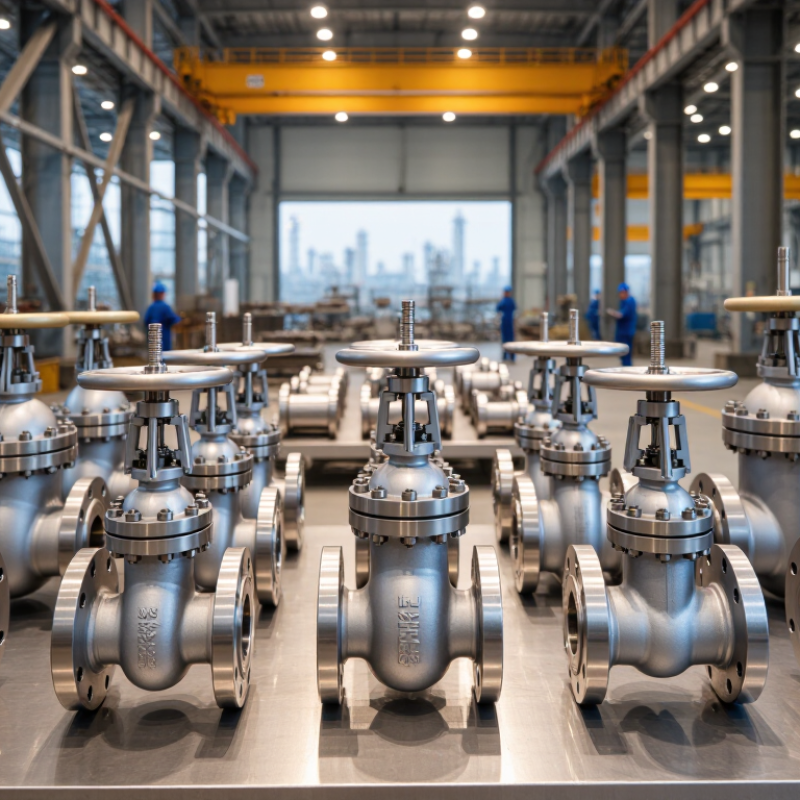
China’s oil and gas valve industry supports refineries, pipelines, storage terminals, LNG facilities, and offshore platforms. The Energy Institute Statistical Review 2024 reported China’s oil consumption at approximately 16.5 million barrels per day in 2023. The IEA’s Gas 2024 report expects China to contribute nearly half of global gas demand growth through 2026. These figures indicate sustained demand for isolation, control, check, and emergency shutdown valves. Demand is not uniform. Coastal LNG projects need cryogenic valves, while inland pipelines require durable, corrosion-resistant designs.
A reliable top-10 manufacturer assessment should use measurable criteria. Check API 6D, API 600, API 602, API 608, and ISO 15848 compliance. Review pressure testing, fugitive-emission control, cryogenic performance, material traceability, and service records. Production capacity matters, but so does failure response. A factory with automated machining may still lack field experience. The IEA Oil 2024 report projects global oil demand to plateau near 106 million barrels daily by 2030. Therefore, suppliers should also show retrofit capability and lower-maintenance designs. A weakness remains: public reports rarely separate valve demand by application, pressure class, or province.
Tips: Request test certificates, not only brochures. Compare lead times against spare-part availability. Inspect coating quality, weld records, and serial-number traceability. Ask for independent inspection evidence. Price alone is a poor filter.
China’s oil and gas valve manufacturers are often evaluated against API 6D, API 608, ISO 15848, and ASME pressure requirements. These standards address different risks. Treating them as interchangeable can create costly specification gaps.
API 6D API 6D is central to pipeline valves, including isolation, pigging, and emergency shutdown applications. Auditors should review design validation, pressure testing, materials, traceability, and documentation.
API 608 API 608 focuses on metal ball valves used in process and pipeline systems. Its requirements support reliable sealing under demanding operating conditions. Small details matter. Seat construction, stem design, and fire-safe performance deserve close inspection.
ISO 15848 ISO 15848 addresses fugitive emissions from industrial valves. It evaluates leakage performance during mechanical and thermal cycling. Ask for test conditions, packing arrangements, and measured results, not only a certificate.
ASME pressure requirements ASME Class 150 to Class 2500 defines pressure-temperature ratings, rather than a single universal pressure value. Temperature, body material, trim, and flange design can change the allowable rating. A Class 600 valve is not automatically suitable for every Class 600 service.
Real projects are rarely perfectly tidy. I have found that supplier comparisons become clearer when drawings, test reports, and inspection plans are reviewed together. One weakness remains common: documents may look complete while field maintenance details are missing. Manufacturers with consistent records, qualified personnel, controlled production, and transparent testing are easier to trust.
China Top 10 Oil And Gas Valve Manufacturers List
This list compares ten Chinese manufacturers by valve type, production capacity, and certification depth. The assessment covers gate, globe, ball, butterfly, check, and cryogenic valves. Each type serves a different operating need. Ball valves support fast isolation, while globe valves provide more controlled throttling. Gate valves remain common on large pipelines because they create limited flow resistance when fully open.
Capacity is measured through nominal size ranges, pressure classes, machining resources, testing facilities, and delivery experience. A workshop producing small utility valves should not be compared directly with a facility handling large forged bodies. Details matter. Look for documented hydrostatic tests, gas testing, material traceability, welding procedures, and spare-part support. These records often reveal more than a polished factory profile.
Certification is another key filter. Relevant evidence may include ISO 9001, API standards, pressure equipment approvals, fire-safe testing, fugitive-emission testing, and region-specific compliance documents. Certificates should match the actual valve model and manufacturing site. An impressive certificate can still be outdated. That deserves checking. Site audits, sample inspections, and third-party test reports improve reliability before a large purchase. Some manufacturers appear equal until low-temperature seals, coating quality, or emergency lead times are examined. The ranking is therefore useful, but not perfect. Operating temperature, fluid composition, pressure cycling, and maintenance access can change the final choice.
| Rank | Manufacturer Code | Primary Oil and Gas Valve Types | Typical Size Range | Pressure Rating | Common Materials | Indicative Annual Capacity | Applicable Certifications and Standards | Typical Applications |
|---|---|---|---|---|---|---|---|---|
| 1 | Manufacturer A | Trunnion-mounted ball, floating ball, gate, globe and check valves | NPS 1/2–60 | ASME Class 150–2,500 | Carbon steel, stainless steel, duplex, forged alloy steel | 18,000–30,000 units | ISO 9001; API 6D; API 6FA; API 607; ISO 15848-1; CE/PED where applicable | Transmission pipelines, refineries and gas processing |
| 2 | Manufacturer B | API gate, globe, check, plug and bellows-sealed valves | NPS 1/2–48 | ASME Class 150–1,500 | Carbon steel, low-temperature carbon steel, stainless steel and alloy steel | 15,000–25,000 units | ISO 9001; API 600; API 602; API 6D; API 6FA; ISO 15848-1 | Petrochemical plants, terminals and process piping |
| 3 | Manufacturer C | Large-diameter ball, gate, check and emergency shutdown valves | NPS 2–72 | ASME Class 150–1,500 | Carbon steel, stainless steel, duplex and nickel alloy trim | 10,000–18,000 units | ISO 9001; API 6D; API 6FA; API 607; SIL assessment available for selected assemblies | Long-distance oil and gas pipelines and compressor stations |
| 4 | Manufacturer D | Forged gate, globe, check, needle and cryogenic valves | NPS 1/4–24 | ASME Class 150–2,500 | Forged carbon steel, stainless steel, alloy steel and cryogenic stainless steel | 20,000–35,000 units | ISO 9001; API 602; API 6FA; ISO 15848-1; BS 6364 for cryogenic designs | Refineries, LNG facilities and high-pressure utility systems |
| 5 | Manufacturer E | Wafer and lug butterfly, eccentric plug and resilient-seated valves | NPS 2–48 | ASME Class 150–600 | Ductile iron, carbon steel, stainless steel, duplex and elastomer-lined bodies | 30,000–50,000 units | ISO 9001; API 609; API 6FA; API 607; ISO 15848-1 where specified | Water injection, cooling systems and low-pressure hydrocarbon service |
| 6 | Manufacturer F | Pipeline ball, slab gate, expanding gate and check valves | NPS 2–56 | ASME Class 150–1,500 | Carbon steel, low-temperature steel, stainless steel and corrosion-resistant overlay materials | 12,000–22,000 units | ISO 9001; API 6D; API 6FA; API 607; ISO 15848-1; NACE MR0175/ISO 15156 options | Crude oil, natural gas and sour-service pipelines |
| 7 | Manufacturer G | Control, globe, angle, choke and pressure-reducing valves | NPS 1/2–24 | ASME Class 150–2,500 | Carbon steel, stainless steel, alloy steel and hard-faced trim | 8,000–16,000 units | ISO 9001; IEC 60534; API 6FA; ISO 15848-1; IEC 61508/SIL documentation for selected products | Process control, gas dehydration and refinery units |
| 8 | Manufacturer H | Subsea, topside, ball, gate, check and hydraulic actuated valves | NPS 1–36 | ASME Class 150–2,500 | Duplex, super duplex, stainless steel, nickel alloy and clad materials | 6,000–12,000 units | ISO 9001; API 6D; API 6A for wellhead equipment; API 6FA; NACE MR0175/ISO 15156 | Offshore platforms, subsea production and marine energy systems |
| 9 | Manufacturer I | LNG ball, globe, gate, check and cryogenic control valves | NPS 1/2–32 | ASME Class 150–1,500 | Austenitic stainless steel, low-temperature carbon steel and nickel alloy components | 7,000–14,000 units | ISO 9001; API 6D; API 6FA; BS 6364; ISO 15848-1; CE/PED where applicable | LNG terminals, liquefaction plants and cryogenic storage |
| 10 | Manufacturer J | Plug, ball, gate, check and high-integrity isolation valves | NPS 1–42 | ASME Class 150–1,500 | Carbon steel, stainless steel, duplex, alloy steel and corrosion-resistant trim | 9,000–17,000 units | ISO 9001; API 6D; API 599; API 6FA; API 607; ISO 15848-1 | Tank farms, loading terminals and downstream processing facilities |
Note: Manufacturer identifiers are anonymized. Size ranges and annual capacities are indicative production ranges compiled for comparative reference; certification scope depends on the specific product, design, material and project requirements.
Comparing DN15–DN1200 valves requires more than checking catalog prices. DN15 valves often serve instrument lines, skid packages, and compact process piping. DN1200 designs usually support transmission pipelines, storage terminals, or water-injection systems. Size changes affect actuation, testing, transport, and installation access.
Pressure ratings must match real operating conditions, not only the nominal pipeline class. Common ranges include PN16 to PN420 and Class 150 to Class 2500. Buyers should review pressure-temperature charts, shell-test results, seat-test procedures, and fugitive-emission records. A valve rated for cold service may perform differently near 200°C. That detail is often missed.
Material selection needs equal care. Carbon steel suits many standard hydrocarbon services. Stainless steel offers better resistance against moisture and selected chemicals. Duplex and nickel alloys may fit chloride-rich or corrosive environments, but they increase cost and welding complexity. Sealing materials also matter, including PTFE, reinforced polymers, and graphite. Ball, gate, globe, check, and butterfly valves each have different flow and isolation roles. Field verification matters. A supplier may provide complete documents, yet actual coating thickness, actuator torque, or casting quality can vary between batches. Independent inspection, traceability, and pressure testing improve confidence, though they cannot replace proper engineering review.
China Top 10 Oil And Gas Valve Manufacturers List
Supplier evaluation should begin with evidence, not export volume or polished catalogs. Buyers should request pressure-test records, material certificates, and inspection dates. Testing must match the valve’s service, pressure class, temperature, and sealing requirements. A sample valve may pass easily in a factory. Field conditions can be less forgiving.
Traceability deserves equal attention. Each body, trim component, and actuator should connect to a heat number, drawing revision, and inspection record. Clear serial marking helps engineers investigate leaks years later. It also reduces confusion during maintenance. Missing documents are not minor defects. They create operational risk. A supplier with consistent records shows practical manufacturing discipline.
Delivery performance needs measurable data. Compare quoted lead time with actual shipment dates across several orders. Review packaging quality, spare-part availability, and communication during delays. Lifecycle cost should include installation, inspection, replacement seals, energy loss, and unplanned shutdowns. The lowest purchase price may become expensive after repeated repairs. A balanced scorecard can rank the top ten candidates more fairly.
No supplier file is flawless. Some data may be incomplete or self-reported. That limitation should be recorded, not hidden. Independent inspection can test uncertain claims, although it adds time and cost. In my experience, transparent weaknesses are easier to manage than impressive promises without supporting evidence.
Supplier Evaluation Framework Using Testing, Traceability, Delivery, and Lifecycle-Cost Data
The chart presents a transparent procurement weighting model rather than company-specific claims. Testing covers pressure, leakage, functional, and applicable API or ISO verification; traceability covers material certificates and batch records; delivery covers lead-time reliability; lifecycle cost covers purchase, maintenance, energy, downtime, and replacement costs.
I&M Industrials Inc.
10 Akron Drive
Greenville SC 29605
Phone: 864-277-2450
GSA Number – GS07F0379Y