1-800-868-2450
My Account | Cart | Checkout
Choosing a Chinese supplier for food packaging is not just a price comparison. Packaging must protect products, suit filling lines, and arrive with consistent dimensions and print quality. The stakes are real. FAO’s 2023 Food Loss Index estimates that 13.2% of food is lost worldwide between harvest and retail. Packaging cannot prevent every loss, but suitable materials and dependable seals can help protect products during storage and transport.
This guide to Best Wholesale Food Packaging Suppliers in China? focuses on practical checks buyers can make before placing an order. We look at product range, factory experience, customization, minimum order quantities, lead times, sample quality, and communication. We also consider food-contact documentation and quality-control procedures, which buyers should verify against their product and destination market. A polished catalogue is not proof of reliable production. Ask for samples, confirm specifications in writing, and compare quoted costs with tooling, printing, and shipping details. Small differences matter. A pouch that looks sturdy on a desk may behave differently on a fast filling line. This shortlist is a starting point, not a guarantee: supplier capabilities and production quality can change between orders. Wholesale Food Packaging decisions deserve careful review, even when a factory’s first sample looks excellent.
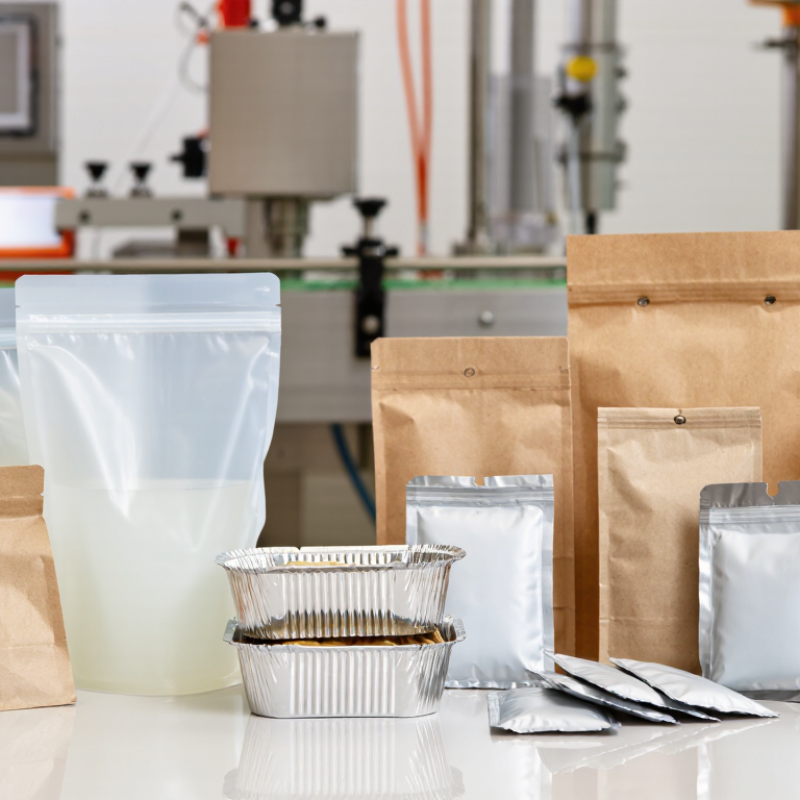
Wholesale food packaging suppliers in China commonly offer pouches, trays, cups, cartons, and films in different sizes and materials. Buyers can request features such as resealable closures, grease resistance, clear windows, or printed labels. Some suppliers also provide samples, custom tooling, and export-ready packing, though options depend on order volume. Smithers’ The Future of Global Packaging to 2028 estimated the global packaging market at about US$1.17 trillion in 2023, with growth projected through 2028. That scale makes choice broad, but not every catalog item is ready for food use. Ask for material specifications, food-contact test records, and stated barrier performance. Details matter.
The FAO’s 2023 tracking report estimated that 13.2% of food was lost between harvest and retail worldwide. Packaging cannot prevent every loss, but a suitable seal and moisture barrier can help protect products during handling and storage. For example, a dry snack may need a different film from a chilled meal tray. Request samples and test them with the actual product and filling process. Compare minimum order quantities, print setup fees, lead times, and inspection procedures in writing. A polished sample is not a production guarantee. One weak point in many supplier comparisons is after-sales support; clarify who handles defects and replacement timelines before placing a large order.
Food packaging suppliers in China commonly provide flexible pouches, rigid trays, paperboard cartons, glass jars, and metal cans. Flexible films made from materials such as polyethylene and polypropylene suit snacks, frozen foods, and inner liners. They are light and easy to ship, but multilayer structures can be difficult to recycle. Rigid plastic trays help protect fresh foods during transport. Glass and metal offer strong barriers, though their weight can raise shipping costs. Different jobs.
Paperboard cartons work well for dry goods and takeaway meals. Molded fiber can cushion produce or prepared food, but moisture resistance needs careful testing. On paper, material selection looks simple; in production, sealing strength, filling speed, and storage conditions complicate it. Worth pausing. A package that performs well in a sample room may behave differently on a fast packing line.
The FAO’s 2023 report estimates that 13.2% of food is lost between harvest and retail. Packaging cannot prevent every loss, but the right barrier can help protect food from moisture, oxygen, and impact. The OECD’s Global Plastics Outlook reports that packaging generated about 40% of global plastic waste in 2019. That figure makes material choice and end-of-life options part of supplier evaluation. Buyers should request food-contact documentation, material specifications, and sample tests under real storage conditions—not just attractive product photos.
Choosing a wholesale food packaging supplier in China requires more than comparing unit prices. Review the material specifications, food-contact test reports, and quality records for the exact packaging you plan to buy. Check that documents are current and relevant to your intended market. Ask how batches are identified and how defects are handled. Paperwork alone is not proof. Compare it with a sample, and confirm that the sample matches the production materials and dimensions. A pleasant-looking sample can still mislead.
Capacity matters when orders grow or seasons get busy. Ask which production lines will make your packaging, what their usual output is, and how lead times change during peak periods. Request evidence from a recent production run, not just a maximum-capacity figure. Check seal strength, odor, print rub, and carton dimensions on delivered samples. Small details matter. A factory visit or independent inspection can reveal crowded storage or inconsistent checks, though neither guarantees every order will be perfect. I would also assess response times and corrective-action records; a slow reply before payment may become a larger problem after a shipment leaves.
A useful supplier comparison starts with an identical specification. Ask each supplier to quote the same material, dimensions, thickness, printing, and packing method. Otherwise, a lower price may simply reflect lighter stock or fewer colors. Request unit pricing at several order quantities, such as 5,000, 10,000, and 20,000 pieces. Check whether tooling, samples, cartons, or setup fees are separate. Small details matter. A quote should also state its currency and how long the price remains valid.
Minimum order quantities can vary by product and printing process. Ask whether the MOQ applies to each size, design, or combined order. A low MOQ may carry a higher unit price, while a large order can tie up cash and storage space. Compare both costs against your actual sales pace. Lead times need the same careful reading. Ask for sample approval time, production days, and estimated shipping time separately. Confirm when the clock starts: after deposit, artwork approval, or final sample approval. These dates are not interchangeable.
Keep written answers in one comparison sheet, and note which figures are estimates. A supplier may promise a short production window, yet peak-season capacity or delayed artwork can change it. Ask for the current production schedule and a realistic buffer. I would not judge reliability from a polished quote alone. One awkward point: even clear timelines can slip. Ask how delays are communicated, and whether partial shipments are possible before placing a large order.
When comparing wholesale food packaging suppliers in China, define your requirements before discussing price. Record the material, dimensions, closure type, printing, and intended use. Ask whether the supplier makes the packaging or buys it from another factory. Request its registered business details and a live video tour of the production area. A polished catalog helps, but it does not prove production capacity. Look closely.
Order samples made to your written specification. Check the seal, fit, surface finish, and any odor; test other features only when relevant to your product. Request current food-contact test reports or declarations, then confirm that the documents match the exact material and item offered. Ask about batch identification and how defects are handled. Ask for proof. Documents can look convincing and still leave questions.
Compare complete quotations, including tooling, sample charges, minimum order quantities, packing, and delivery estimates. Confirm production time in writing, along with payment stages and inspection arrangements. A short video call can reveal how clearly the supplier answers practical questions. One detail is easy to miss: the sample may be better finished than a rushed production batch. Set measurable acceptance criteria before paying a deposit. If an answer stays vague, pause and ask again. Not glamorous, but useful.
Suggested evaluation weights for comparing suppliers. These are a practical scoring template, not survey results or industry statistics.
Prioritize food-contact documentation and product specifications, then verify samples, production capability, pricing and delivery terms. Confirm applicable requirements for your product and destination market before placing an order.
I&M Industrials Inc.
10 Akron Drive
Greenville SC 29605
Phone: 864-277-2450
GSA Number – GS07F0379Y