Top 5 Benefits of Solenoid Valves in Irrigation Systems?
Irrigation systems have become crucial in modern agriculture. According to the International Water Management Institute, effective irrigation can increase crop yields by up to 50%. A key component of these systems is the solenoid valve. The Solenoid Valve In Irrigation Systems plays a significant role in optimizing water distribution.
These valves offer precise control over water flow. This precision helps reduce waste and ensures optimal moisture levels. Data from the Irrigation Association shows that systems using solenoid valves can reduce water usage by 30%. However, many still underutilize this technology, leading to inefficient irrigation practices.
While the benefits of solenoid valves are clear, installation and maintenance can pose challenges. Some farmers may overlook the complexity involved. They may require technical training or support. Ignoring these aspects can lead to suboptimal performance of the entire irrigation system. It is essential to recognize and address these issues for maximum benefits.
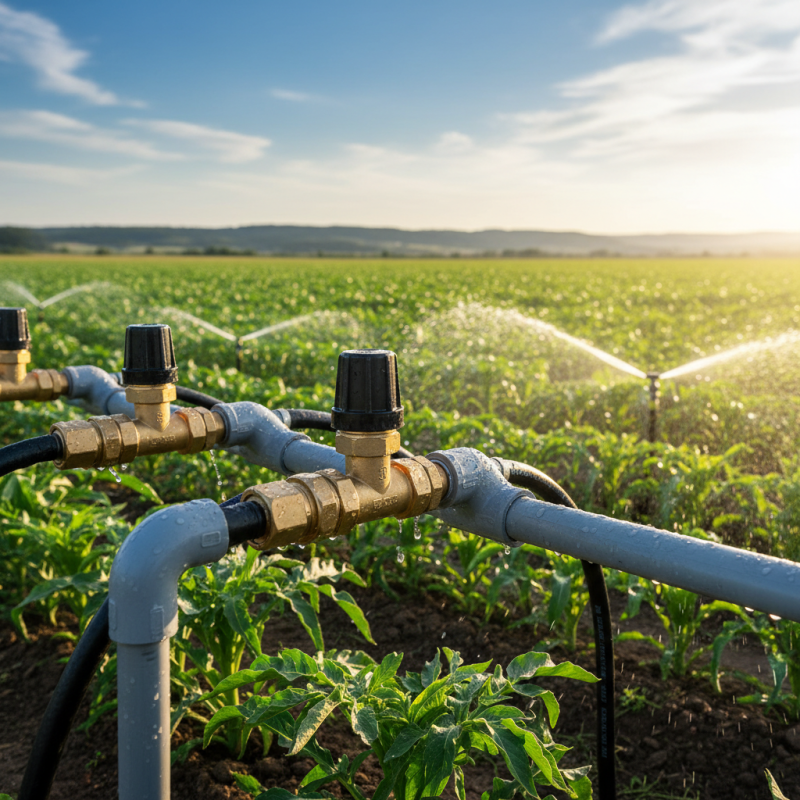
Top Benefits of Solenoid Valves in Modern Irrigation Systems
In modern irrigation systems, solenoid valves play a vital role in improving efficiency. These valves automate water flow, reducing the need for manual intervention. According to the Irrigation Association, effectively using solenoid valves can lead to water savings of up to 30%. This reduction is significant, especially in regions facing water scarcity.
Additionally, solenoid valves facilitate precise control over irrigation schedules. They allow for programmable cycles, helping farmers cater to specific crop needs. A study by the American Society of Agricultural and Biological Engineers indicates that accurate irrigation practices can enhance crop yields by 15% or more. However, improper installation or maintenance can lead to failures, disrupting the entire irrigation system.
Moreover, energy efficiency is another compelling advantage. Solenoid valves typically consume low energy, translating into cost savings. However, they may require regular checks. Neglected maintenance can result in leaks or inefficiencies, ultimately countering their benefits. Despite the advantages, the complexity of these systems can be daunting for some users. Many may overlook some aspects, which could lead to costly errors.
Enhanced Water Efficiency through Precision Control of Flow Rates
Solenoid valves are revolutionizing irrigation systems. They offer precise control over flow rates. This enhanced control leads to better water efficiency. A recent industry report shows that smart irrigation can reduce water usage by up to 30%. This is a significant improvement, especially in areas facing drought conditions.
With solenoid valves, farmers can automate their irrigation schedules. This allows water to be applied only when necessary. Precise control means avoiding overwatering and underwatering. It's important to note, however, that improper setup can lead to inefficiencies. If not calibrated correctly, these systems may waste water instead of conserving it.
Moreover, utilizing solenoid valves can lower energy consumption. Studies indicate that optimized irrigation systems can decrease energy costs by nearly 20%. Yet, farmers sometimes overlook maintenance. Neglecting regular checks can compromise the system's efficiency. Solenoid valves can be a game-changer, but they demand attention to detail for maximum effectiveness.
Reduction of Water Waste and Improved Sustainability Metrics
Irrigation systems play a crucial role in agriculture, but water waste remains a significant concern. Solenoid valves offer a solution to this issue. They provide automated control, ensuring that water is used more efficiently. According to industry research, improper irrigation can waste up to 50% of water. Solenoid valves help reduce this waste by delivering precise amounts of water based on the needs of plants.
Sustainability metrics improve when using solenoid valves. A report by the Water Efficiency Alliance indicates that automated systems can decrease water consumption by 30%. This efficiency leads to better resource management and environmentally friendly practices. However, some systems still require manual oversight, which can lead to occasional overwatering. Regular maintenance and calibration of solenoid valves are necessary to maximize their benefits.
Beyond just saving water, solenoid valves contribute to overall crop yield. A well-implemented irrigation strategy can enhance agricultural productivity by up to 15%. Yet, farmers often face challenges when integrating new technology into existing systems. The transition can feel overwhelming, and not all operators are well-trained. Addressing these issues is crucial for harnessing the full potential of solenoid valves in irrigation.
Top 5 Benefits of Solenoid Valves in Irrigation Systems
This chart illustrates the top 5 benefits of using solenoid valves in irrigation systems, highlighting the reduction of water waste and improved sustainability metrics.
Automation Capabilities for Labor Savings and Operational Efficiency
In modern irrigation systems, solenoid valves play a crucial role. They automate water flow, making irrigation more efficient. This automation reduces the need for manual labor significantly. Fewer workers are needed to monitor and operate systems. This shift leads to labor cost savings. With automated control, the irrigation can start and stop based on real-time needs. This feature minimizes water waste.
However, relying solely on automation poses risks. What happens when technology fails? A single malfunction can disrupt the entire system. It’s important to have backup plans in place. Regular maintenance checks are vital as well. Ensuring that solenoid valves are in good condition can prevent larger issues. The balance between automation and manual oversight is crucial for optimal performance.
The automation capabilities of solenoid valves contribute to operational efficiency. They create a seamless integration within existing systems. Farmers can control multiple zones from a single point. This centralized approach allows for better monitoring. Nevertheless, understanding the technology is essential for effective use. Training for staff can enhance your overall results. Embracing both automation and human insight can lead to the best outcomes.
Increased System Durability and Reduced Maintenance Requirements
Solenoid valves play a crucial role in irrigation systems. They enhance durability while lowering maintenance needs. This is vital for farmers who must manage resources efficiently. With fewer moving parts, solenoid valves have a longer lifespan. This also means fewer breakdowns. By reducing the frequency of repairs, users can allocate time and money elsewhere.
Another significant benefit is the ease of automation. Solenoid valves can be controlled remotely. This capability allows for precise water distribution. However, reliance on technology can lead to challenges. If the control system fails, manual intervention is needed. The balance between automation and hands-on management requires careful thought.
Regular inspections are still essential. While solenoid valves are durable, they are not infallible. Users should check for leaks or clogs. Maintaining a proactive approach can prevent larger issues later. This can save both water and costs in the long run. Efficient irrigation systems rely on vigilance and consistent care.
Top 5 Benefits of Solenoid Valves in Irrigation Systems
| Benefit | Description | Impact on System |
| Increased Durability | Solenoid valves are designed to withstand harsh operating conditions, ensuring long-term functionality. | Reduced replacement frequency, lower downtime. |
| Reduced Maintenance Requirements | Minimal moving parts lead to lesser wear and tear, resulting in lower maintenance needs. | Time and cost savings on maintenance tasks. |
| Improved Control | Allows for precise control over water flow and pressure in irrigation systems. | Optimized water usage and improved crop yields. |
| Energy Efficiency | Use less energy compared to mechanical valves due to electronic activation. | Lower operational costs and eco-friendliness. |
| Scalability | Easily integrated into existing systems or expanded as requirements grow. | Flexibility to adapt to changing agricultural needs. |